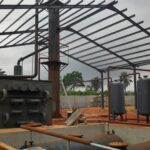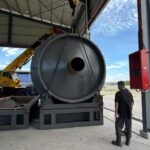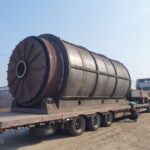

Distillation Equipment Project in Malaysia In February 2026, a waste-tire
48TPD Waste Tire Pyrolysis Plant in Malaysia
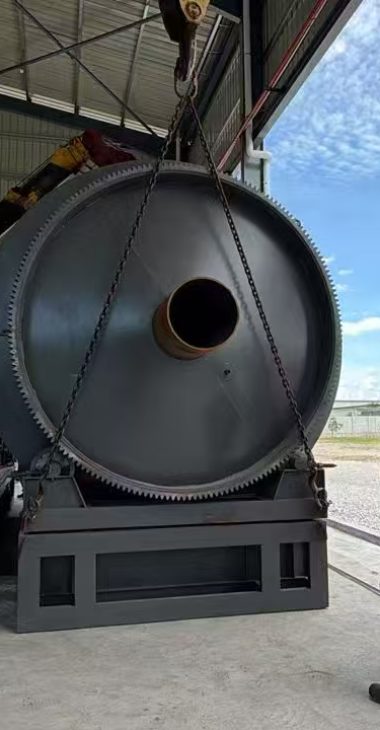
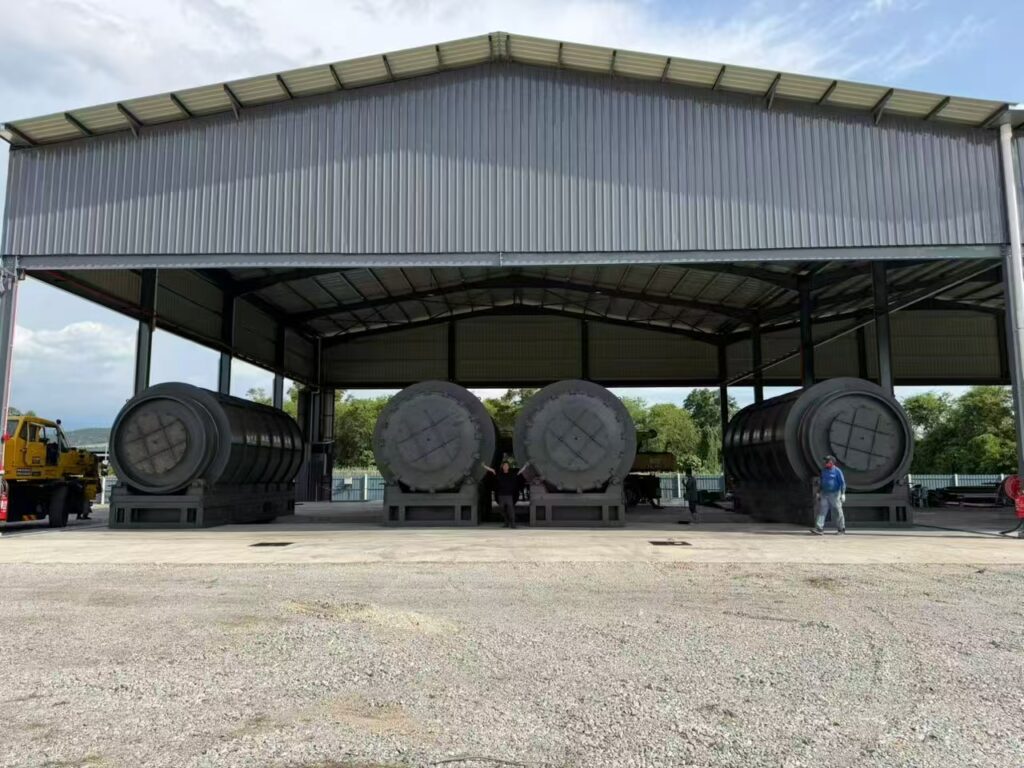
In October 2025, a Malaysian customer purchased four pyrolysis units.
Customer Profile: A licensed Resource Recovery Company specializing in industrial waste management. Equipment: 4 Sets of 12-Ton Batch Pyrolysis Plants. Location: Industrial Zone, Malaysia.
Project Background
Malaysia produces about 30+ million waste tires every year. Although the recycling industry is booming, it receives harsh criticism due to previous instances of illegal practices leading to environmental pollution (especially air and soil pollution). The Department of Environment (DOE) of Malaysia has imposed strict penalties on Section 34A of the Environmental Quality Act, targeting any non-compliant open burning facilities.
The customer, an established waste management firm in Malaysia, wanted to switch from just mechanical grinding to chemical recycling that would yield more value. The customer had access to constant supplies of waste tires (collected from plantation sites and logistics companies), but he did not have the machinery to recycle them effectively.
The customer’s main objective was to invest in a “Green Technology”-certified machine that would comply with the DOE’s emission standards and produce large amounts of TPOs. The client wanted the machinery to process about 40-50 tons of tires per day.


Configuring Solutions For Clients
The engineers and sales team visited Malaysia and proceeded to carry out a three-day assessment.
At the site inspection, it was realized that the designated land was large enough but near a palm oil processing plant, thus odor control was a necessity for the company since complaints would be unbearable. The humid weather and rainy environment in Malaysia meant that there was a need to change some materials like the foundation material for the reactors.
The customers had two options from which they sought advice – the fully continuous system and the batch system. Our team analyzed their feasibility. In the first phase, we did not advise the client to choose a single continuous process line because it is very costly in terms of capital investment and there was the need for the tire shreds.
Proposed solution: The recommended system comprised four sets of 12TPD Batch Pyrolysis Units. This modular concept had three advantages, which are as follows:
Flexibility: The other three sets will still function while one unit goes under maintenance.
Versatility in feedstock: Whole tires can be processed by these units, thus no need for immediate purchase of the shredding line equipment.
DOE Compliance: We customized the “de-dusting system” (scrubbers). Standard water scrubbers were upgraded to a three-stage ceramic ring desulfurization and deodorization tower. This ensures that the flue gas released is white, odorless, and meets Malaysian Air Quality Standards.
We also designed the plant layout to utilize the “syngas” (non-condensable gas) generated during the process to heat the other reactors, significantly reducing their external fuel costs (diesel/wood) after the first 2 hours of operation.
Project Results

ISO CE Approved
The equipment quality has passed IAF, CNAS, ISO, CE certifications, Certified by international professional organizations, the equipment is safe and reliable.

AAA Credit Audited Enterprise
One of the top refining equipment manufacturers in China, The government Audited Superb as AAA credit company (top level).

Solutions for Pyrolysis And Distillation
We will provide you with the latest industry solutions, and provide you with a one-year after-sales warranty to ensure stable operation of the equipment.

24-hour service
We have professional engineers to solve various problems for you, including equipment, process, material problems, etc.

Professional R&D team
We have obtained a number of utility model patents, including distillation production equipment and pyrolysis module equipment.

Fast Delivery
We have sufficient stock of pyrolysis and distillation equipment to ensure efficient logistics and fast delivery.
After 4 months of manufacturing and 45 days of installation and commissioning, the four units officially went into operation. Below is the verified performance data and Return on Investment (ROI) analysis.
Operational Performance
- Daily Processing Capacity: 48 tons (4 sets × 12 tons).
- Annual Operation: 300 days (allowing for maintenance and holidays).
- Total Annual Capacity: 14,400 tons of waste tires.
- Average Oil Yield: 45% (Verified on-site; higher yield due to tropical ambient temperature and dry tire storage).
- Annual Fuel Production: 6,480 tons of Pyrolysis Oil.
Financial Analysis
- Investment Costs:
- Machinery (4 Units + Scrubbers): ~$320,000
- Shipping, Civil Works & Installation: ~$100,000
Total Initial Investment: $420,000
- Annual Revenue Generation:
- Tire Pyrolysis Oil (TPO): 6,480 tons × $500/ton (sold to cement/glass factories) = $3,240,000
- Carbon Black: 4,320 tons (30% yield) × $60/ton (low grade, sold for bricks/construction) = $259,200
- Steel Wire: 2,160 tons (15% yield) × $150/ton (scrap metal recycling) = $324,000
Total Annual Revenue: $3,823,200
- Annual Operating Costs:
Includes labor (8 staff/shift), electricity, maintenance, and catalysts.
Estimated at ~$50 per ton processed = 14,400 tons × $50 = $720,000
- Net Profit & ROI:
- Annual Net Profit: $3,823,200 (Revenue) – $720,000 (OpEx) = $3,103,200
- Return on Investment: The project paid for itself in just under 2 months of full operation.
Even if the customer had to pay $50/ton for tires instead of receiving them for free, the annual tire cost would be $720,000, still resulting in a net profit of over $2.3 Million/year
Waste Plastic-to-Fuel Refining Equipment Two Sets of Waste Plastic-to-Fuel Refining
Conclusion
This case study shows the enormous economic benefit that can be achieved in Southeast Asia through waste to energy projects if properly guided technically. Having opted for a solution that combines both operational flexibility and strict adherence to environmental standards, this Malaysian client has turned an expense into a lucrative source of income.
It has set a benchmark for tire recycling operations in the region, and it is often visited by local DOE officials as a benchmark for such activities. Since the pyrolysis oil is highly liquid, the client has reached out to us to consider Phase 2, which involves a Distillation Plant to upgrade their fuel oil to diesel.