
Distillation Equipment Project in Malaysia In February 2026, a waste-tire
Indonesian Re-Purchase Four Pyrolysis Plants
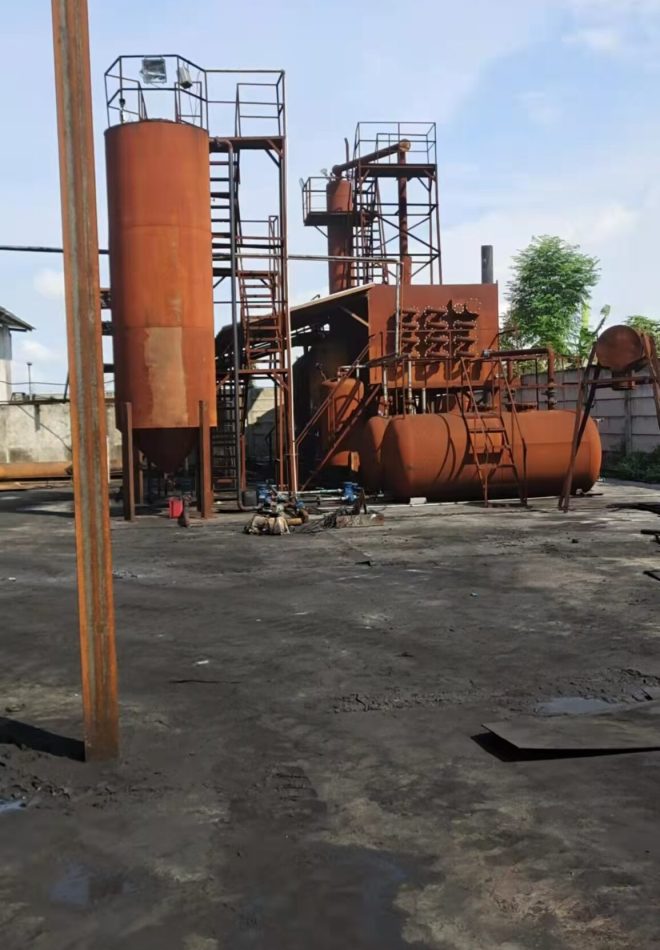
In December 2021, an Indonesian customer repurchased four pyrolysis plants.
Project Background: Scaling Sustainable Energy in Indonesia
In December 2021, the waste management company from Indonesia completed the second major acquisition – purchase of four new pyrolysis units.
Following the successful implementation of their initial unit since 2019, the client decided to take advantage of rising costs for industrial heating oil (pyrolysis oil), along with abundant, inexpensive raw material (tires). Thus, the main focus was on scaling up their operations to an industrial level of waste treatment.
Taking into account the difficult situation with international shipping and logistics in 2021, efficiency and compliance with local regulations of Indonesia concerning emissions were the key aspects.


Configuring Solutions For Clients
Standard Solution: Multiple Pyrolysis Reactor System
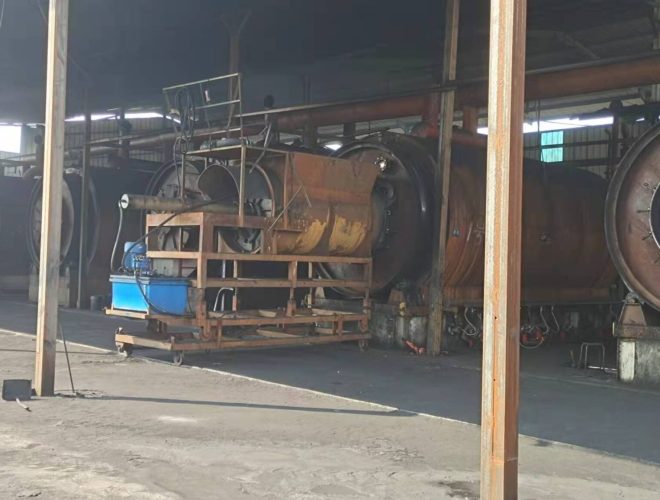
To improve processing capacity and increase the level of operation flexibility, our engineering specialists have introduced a new design based on four Batch Pyrolysis Units.
Main Technical Features:
Horizontal Rotary Reactors: Equipped with reliable systems for uniform heating and ensuring high longevity during high temperatures.
“Three-in-One” Oil Discharging Unit: A complex unit including the processes of condensation, liquefaction, and oil storage that facilitates the installation and improves the efficiency of cooling.
Advanced Desulfurization System: To meet all requirements for emissions, our specialists used the magnetic water method of desulfurization and “activated carbon” absorbent towers.
Gas Recycling System: The system allows the reuse of gaseous products not suitable for condensation as an additional source of fuel.
Project Results

ISO CE Approved
The equipment quality has passed IAF, CNAS, ISO, CE certifications, Certified by international professional organizations, the equipment is safe and reliable.

AAA Credit Audited Enterprise
One of the top refining equipment manufacturers in China, The government Audited Superb as AAA credit company (top level).

Solutions for Pyrolysis And Distillation
We will provide you with the latest industry solutions, and provide you with a one-year after-sales warranty to ensure stable operation of the equipment.

24-hour service
We have professional engineers to solve various problems for you, including equipment, process, material problems, etc.

Professional R&D team
We have obtained a number of utility model patents, including distillation production equipment and pyrolysis module equipment.

Fast Delivery
We have sufficient stock of pyrolysis and distillation equipment to ensure efficient logistics and fast delivery.
Project Results
The following data represents the performance and financial indicators verified after the first year of operation (2022-2023).
Performance Results:
Four production units implemented staggered shifts to ensure continuous product production.
| Metric | Value |
| Annual Waste Tire Processing Capacity | 18,000 Tons |
| Average Pyrolysis Oil Yield | 45% (8,100 Tons/Year) |
| Average Carbon Black Yield | 35% (6,300 Tons/Year) |
| Average Steel Wire Yield | 12% (2,160 Tons/Year) |
For this particular case study, the financial indicators are assessed in US dollars.
A. Annual Income: Pyrolysis Oil: 8,100 tons * $500/ton = $4,050,000
Carbon Black: 6,300 tons * $60/ton = $378,000; Steel Wire: 2,160 tons * $120/ton = $259,200
Annual total income = $4,687,200
B. Investment and Operational Costs Initial investment amount (CAPEX): $1,400,000.
Annual operational costs (OPEX): $2,100,000 (includes purchasing of materials, labor costs, electricity, etc.).
Annual net income = $4,687,200 – $2,100,000
Waste Plastic-to-Fuel Refining Equipment Two Sets of Waste Plastic-to-Fuel Refining
Conclusion
The Indonesian project is one of the best examples of the profitability of circular economy business models. Through scaling the process up from a single unit to four plants, the client made impressive economies of scale and lowered the unit price of labor and administration costs.
There were three reasons behind the success of this second acquisition:
Technological reliability: The constant output of 45% oil guaranteed steady income.
Environmental compliance: Compliance with emission requirements helped avoid expensive legal complications.
Market opportunities: Leveraging market demands for industrial fuel among Southeast Asian factories.
This case shows that by using the right equipment and taking a localized approach, waste tire pyrolysis does not have to be just about recycling.