
Table of Contents How Much Does It Cost to Start
Have you ever seen a heap of dry branches, sawdust, or coconut shells and said, “What a waste!”? That’s how the majority of people regard these products. They occupy space, make your environment dirty, and disposing of them may be problematic. However, at PyrolysisUnit.com, we see things differently. We see energy, profit, and the key to sustainable life in the future. Actually, that “waste” is only waiting to be turned into one of the most valuable resources possible – charcoal.
However, we are not referring to some low-quality, dusty coal that you may buy at your local gas station, which often has an unpleasant smell of lighter fuel. We refer to a quality carbon product obtained via an intelligent process known as pyrolysis. If you haven’t heard about this procedure, then it’s time for you to learn what it is. Pyrolysis involves heating up natural products (wood, straw, shells) without any oxygen. Due to lack of oxygen, there is no combustion, and chemical transformation of matter takes place, resulting in charcoal.
This process locks the energy inside, creating a fuel that burns hotter, longer, and cleaner than the wood it came from. In this article, we are going to dive deep into how you can use this amazing material and, surprisingly, how you can even reuse it.
Perhaps the most common application of charcoal is its use in cooking. The aroma of food cooked over charcoal fire is incomparable. However, what is less known is that not only the flavor but also the type of charcoal affects the taste of the dish. Poor-quality charcoal is filled with additives or contains unburned pieces of wood, which release thick acrid smoke and give the food a bitter taste. In contrast, charcoal produced by a pyrolysis system is “clean.” The combustion of this charcoal generates little smoke since the components responsible for this process were extracted during pyrolysis. The resulting combustion produces pure infrared radiation.
It also works great as an alternative heating material for houses. In many countries, people burn charcoal as their primary heating fuel during cold winters. Burning raw wood indoors is hazardous due to smoke emissions and the possibility of chimney fires. In contrast, burning charcoal is safe and clean, generating only heat and carbon dioxide. Due to its high energy content, you will need significantly less charcoal than wood to heat the house. There will be no need to replenish the flame every twenty minutes.
This efficiency is a huge selling point. It saves the user money in the long run because they buy less fuel to get the same amount of warmth.
Another type of reusability exists, which is even more fascinating, and it takes place in the garden. When we use charcoal produced for soil, it is known as “Biochar.” Biochar represents the highest degree of recycling possible. For instance, plants obtain nutrients and carbon from the atmosphere and soils to grow. Letting this plant decompose will release carbon back to the atmosphere as gas. However, burning this plant to make charcoal and depositing it on the ground means that the carbon will be returned to the earth forever.
The Biochar functions like a sponge. Using a microscopic lens, the charcoal appears like a giant hotel with thousands of small empty cells. These cells are ideal in retaining water and fertilizers. For instance, sandy soils drain water easily. However, adding biochar to this soil ensures that the water remains around the roots. Similarly, in clay soils, the charcoal loosens the soil so that roots may access oxygen.
However, the most interesting aspect of biochar is its permanence. Biochar is deposited in the soil once, and the effects last for hundreds of years. Some scientists believe that it may stay in the soil for thousands of years.
You are essentially “reusing” the structure of the wood to build a permanent home for soil bacteria. Farmers who use the output from our pyrolysis units as biochar often see better crop yields and have to use less chemical fertilizer.
At PyrolysisUnit.com, we view our devices as the center of a renewable cycle. This is the concept of reusability on a broader scale. Previously, there was only one way – extraction of resources, usage of them, and discarding them. There is an end to this approach. Our product offers a complete cycle.
It begins with the cultivation of plants using solar power. Plants generate waste (such as stalks, husks, etc.). Normally, this process will generate methane gas during decay – a greenhouse gas. By placing the waste in a pyrolysis unit, the process is halted. Energy is collected, and charcoal is produced. As the charcoal will be burned in order to release the energy, it will not emit any additional carbon since its production involves nothing but burning previously extracted solar power. Using it as biochar will make the process carbon-negative, as it will absorb carbon in the process and bury it underground.
Thus, an issue (waste) is transformed into a resource (charcoal), giving a local community an opportunity to generate their own resources. For example, a farmer may burn his corn stalks in order to produce charcoal, use part of it to warm his house, and sell the other part.
He reuses his own waste to create his own energy independence. That is the definition of sustainable living. It is down-to-earth, practical, and it makes financial sense.
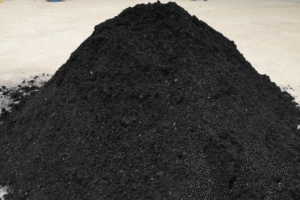

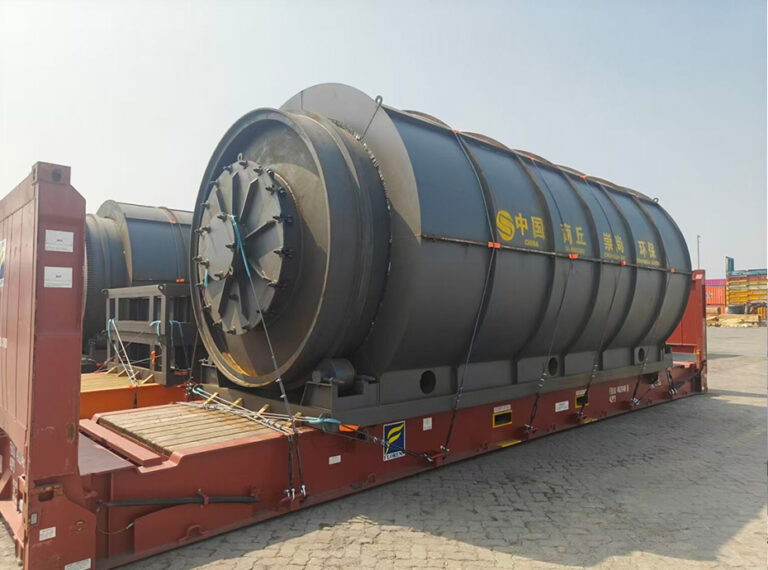
Table of Contents How Much Does It Cost to Start
Table of Contents 3 Types of Pyrolysis Furnace Insulation Shells
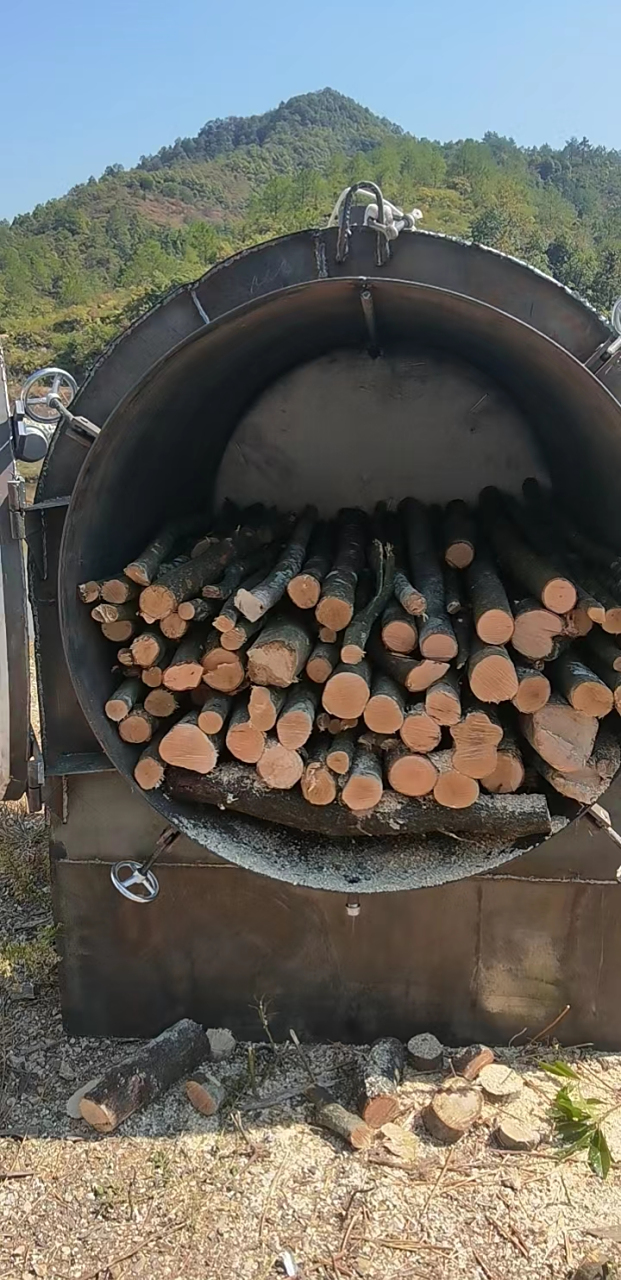
Table of Contents The Charcoal Making Process, Step by Step: