Difference Between Refining And Distillation
1. Introduction — why the distinction matters
People often use the words “refining” and “distillation” like they mean the same thing. They do not. Each term describes a different idea.
Knowing the difference helps you read technical papers, follow news about industry rules, and understand safety or environmental stories. This post explains both in plain language.
2. What is distillation?
Distillation is a physical method. It separates liquids using boiling points. You heat a liquid mix. Lighter parts vaporize first. You cool the vapor to get a liquid again. This separates one liquid from another.
Distillation can be simple (a pot still) or complex (fractional columns used in industry). It is used for water purification, making liquor, and separating chemical mixtures.
3. What is refining?
Refining is a larger process. It changes raw materials into useful products. In oil refining, crude oil becomes gasoline, diesel, jet fuel, and feedstocks for chemicals.
Refining uses many methods: distillation, cracking, reforming, treating, and blending. Distillation is a key step inside a refinery, but refining includes chemical changes and quality control too. Refineries are complex industrial plants with many units working together.
4. How distillation and refining work
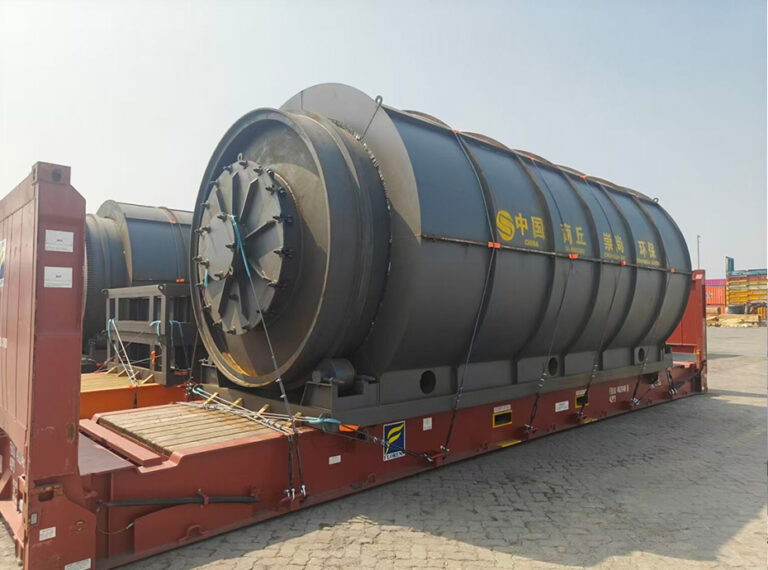
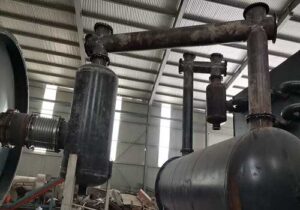
The process of distillation depends on heat and condensation. Distillation at laboratory scales involves the boiling of substances and capturing of their vapor. However, industrial distillation uses fractionating columns where the various fractions are separated based on their boiling points.
Distillation is used in the process of refining to break down crude oil into its various fractions. Once distilled, refineries go further to transform the molecular structure. Hydrocracking reduces the size of the molecules while hydrotreating removes sulfur. Reforming increases the octane content of the products.
5. Key differences — side-by-side
Purposes
Distillation: Separate by boiling point.
Refining: Refine raw materials into finished products.
Size and scope
Distillation: From laboratory apparatus to industrial columns; one type of process only.
Refining: Large industrial complex with several processing operations.
Chemistry versus physics
Distillation relies largely on physical processes.
Refining depends on chemical processes and catalysis.
Inputs/outputs
Distillation: Input—a mixture of liquids (e.g., wine wash, seawater brine, crude oil); output—fractions separated from the input.
Refining: Input—crude oil or similar feedstocks; output—fuels, oils, petrochemicals, and by-products such as hydrogen.
Control and complexity
Distillation requires precise temperature and pressure control.
Refining involves process control, catalysts, utilities, and environmental control systems.
Relation
Refining includes distillation as one main operation. Distillation does not equal refining, however.
6. Legal and environmental context worldwide
Both distillation units and refineries as a whole fall under certain safety and environmental regulation requirements. Such requirements depend on country legislation. Below are some clear examples.
United States
According to U.S. air emission and hazardous waste legislation, there are specific control measures for refineries and their distillation units. Such regulatory measures include but not limited to New Source Performance Standards and National Emission Standards for Hazardous Air Pollutants. Both standards are aimed at reducing emissions of hydrocarbons from refining processes, such as distillation columns, flares, tank emissions, etc.
European Union
Industrial facilities including refineries are controlled based on the EU’s Industrial Emissions Directive. Such a directive includes best available techniques and maximum allowed emission levels for refineries. The implementation is done according to national laws.
India
India uses special organizations to regulate environment clearances for refineries and distillation units. According to various environment assessments, effluent discharge standards, and air standards, refineries are supposed to build distillation units.
What does it all mean
Distillation columns are able to fall under pollution standards because of their potential ability to release volatile hydrocarbons.
More general permitting procedures, monitoring and process safety measures should be used.
Requirements may vary depending on country specificity.
7. Real-world examples and applications
Spirits and water
Consider distillation when thinking about a still for making spirits or using laboratory equipment to purify water. This is what distillation is in its most specific meaning.
Petroleum fuels
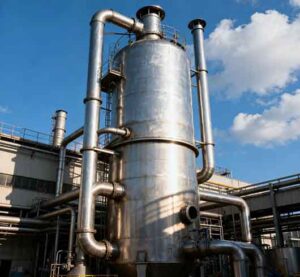
In a large plant, distillation towers separate crude oil. Additional processes follow later to chemically transform heavy constituents into light fuels. Distillation is used by a refinery as the first step of fuel production, followed by many other steps.
Plastics and fertilizer manufacturing
Distillation units remain common in refineries and other factories that produce intermediates needed to manufacture plastics and fertilizers.
Environmental regulations and news media
News stories on spills at a refinery or fines related to such incidents usually refer to the distillation unit or, less specifically, to the entire refinery facility. Environmental regulatory agencies concern themselves with emissions, flaring, wastewater, and workplace safety issues. Check if an article mentions the whole factory (refinery) or only its part (distillation tower).
8. Conclusion — when to use each term
“Distillation” is the term used when referring to the physical process of separation by means of boiling and condensing, while “refining” refers to the entire process of transforming raw materials into finished goods.
Keep in mind that distillation is typically just one step in the refining process, but the scope of refining is wider than distillation. Legal and regulatory requirements exist for both, but regulators generally consider refineries to be larger operations requiring broader regulation.
For information on legal regulations in a particular nation, contact that nation’s environmental and/or industrial regulator.