How is Pyrolysis Carbon Black Made?
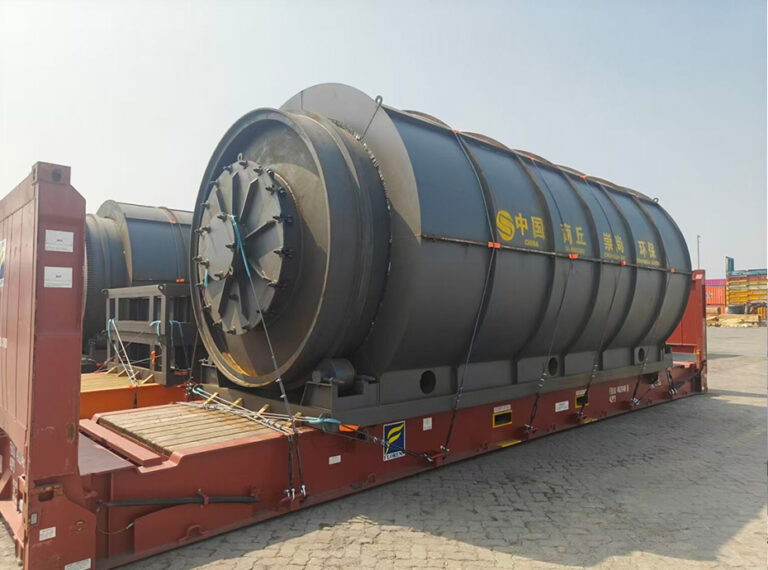
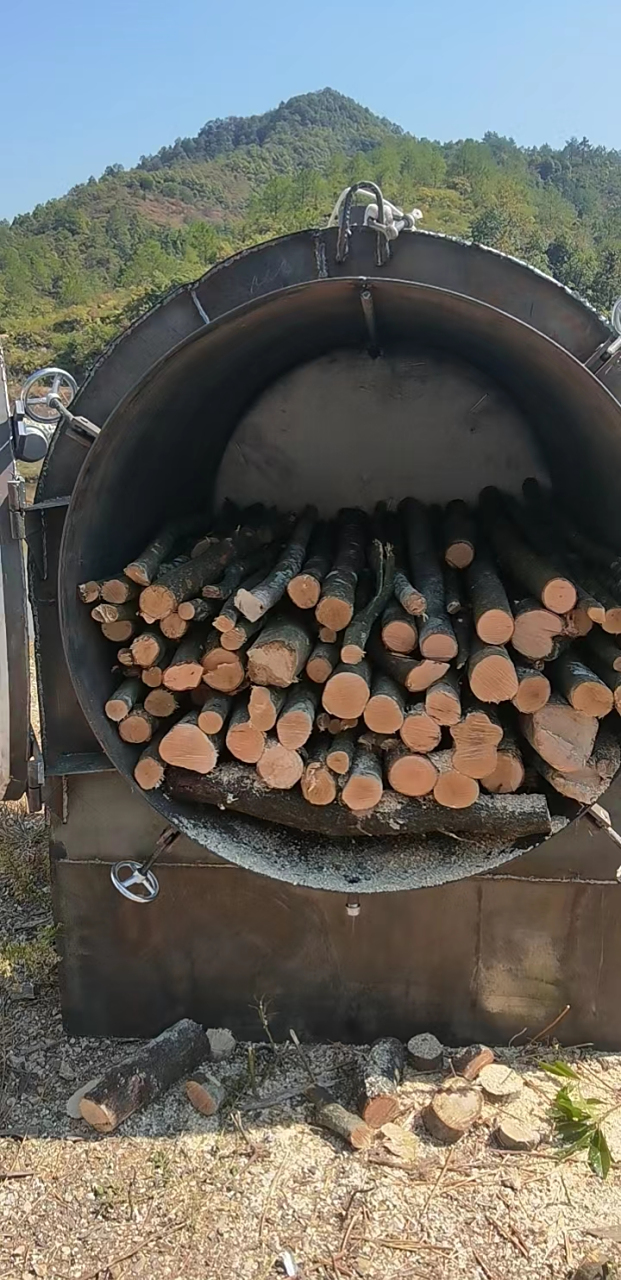
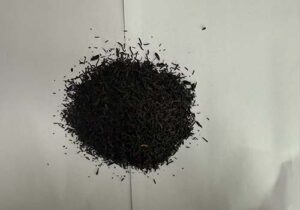
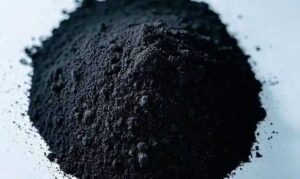
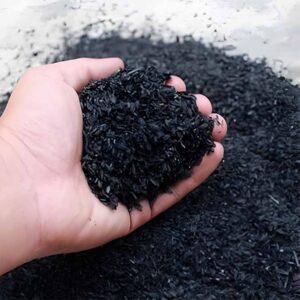
When old tires or rubber are heated in a low-oxygen chamber (pyrolysis), they break down into gases, oils, and a solid black residue. Above about 400 °C, most of the rubber turns into vapors or oil, and what remains is a carbon-rich char. This char is mostly carbon, mixed with ash and bits of wire or fiber. It looks like a black powder and is the raw material for pyrolysis carbon black (also called recovered carbon black). In simple terms, tire pyrolysis leaves behind carbon soot – the basis for pyrolysis carbon black.
After pyrolysis, the black char is usually cleaned and milled. The raw carbon char by itself is low value. It often contains metal bits and ash, so it is mainly burned for energy (for example in cement kilns) unless further refined. To become a useful product, this char must be processed: metal fragments and fibers are removed, and the carbon is ground into a fine powder. Only after this refining can it be called recovered carbon black (rCB) or pyrolysis carbon black. In other words, the tire char must be upgraded before it behaves like normal carbon black.
Refining Carbon Char into Recovered Carbon Black
Turning carbon char into high-quality carbon black takes extra equipment and steps. Processing may include screening, grinding, and chemical treatments to remove contaminants. These steps significantly improve the material’s properties. With good refining, the recovered carbon black can mimic virgin carbon black fairly well. Studies show that processed rCB can sometimes replace between 10% and 100% of virgin carbon black in different products. For example, one report found that 30–50% of normal carbon black could be replaced by rCB in passenger car tire sidewalls. In plastic products or inks, even higher replacement rates are possible.
Making rCB is complex and capital-intensive. You need equipment to mill the char to very fine particles and to remove ash and oils. But the payoff is a high-value product. A well-refined rCB can serve as a carbon black filler or pigment in many applications. In summary, raw pyrolysis char alone has limited uses, but refined recovered carbon black can be used like conventional carbon black in rubber and other materials.
Applications of Recovered Carbon Black
Most of the carbon black on the market is used in tires and rubber products. In fact, roughly 70% of all carbon black ends up in tires. Recovered carbon black is being developed mainly for the same uses. For example, the Beston Group notes that 70% of refined pyrolysis carbon black goes into tire production, especially in medium- to low-performance tires. Another 20% of recovered carbon black is used in other rubber goods (belts, hoses, gaskets, etc.). The remaining ~10% goes into plastics, paints, inks, and pigments.
Because tires dominate, making even a small dent in tire carbon black demand could be significant. Pyrolysis carbon black has already been tested in treads and sidewalls. Post-treated rCB can meet some standard grades (like N330, N550) used in off-road or truck tires. In plastics and inks, rCB can serve as a black pigment or filler for cost-sensitive products. So the potential market is large – it basically covers the same industries that use ordinary carbon black. (For reference, global virgin carbon black use is about 14 million tons/year, worth ~€16 billion.)
Market Size and Growth
Several market studies predict strong growth for recovered carbon black. For example, one analysis valued the rCB market at $243 million in 2024, growing to $1.45 billion by 2032 (about 25% CAGR). Another forecast sees it going from roughly $2.3 billion in 2024 to $7.4 billion by 2035. Even older reports agree on big growth: one source estimated $55 million in 2018 rising to $491 million by 2023. All of these figures show a fast-growing market.
In other words, analysts expect recovered carbon black demand to jump many times over the next decade. This reflects more tire recycling and higher interest in circular materials. The tire pyrolysis products market (oil, gas, steel, and carbon) is also forecast to grow, partly due to landfill bans on tires. In Europe, for example, recovered carbon black sales were around $65 million in 2025 and may reach $1.0 billion by 2034 (from a Europe-focused report). Overall, market data suggest that pyrolysis carbon black is becoming a valuable commercial product.
Why Demand is Rising
Several trends are pushing companies to consider pyrolysis carbon black. A key factor is sustainability. Strict regulations are being introduced to cut waste and emissions. For instance, many countries now encourage tire recycling and limit tire landfill dumping. Pyrolysis (which turns waste tires into useful materials) fits these goals. Replacing virgin carbon black (made from petroleum) with recycled carbon can reduce the overall carbon footprint.
Companies and governments alike are looking for circular-economy solutions. Reports note a “rising focus on circular economy and waste reduction” is driving the rCB market. Major tire and rubber makers have publicly committed to more recycled content in their products. For example, Continental and Bridgestone say they will increase recycled materials in tires. In the automotive sector, sustainability targets often require using eco-friendly ingredients. Using recovered carbon black instead of oil-derived carbon black helps meet these targets.
Cost is also a factor. Virgin carbon black depends on crude oil prices. Pyrolysis carbon black, by contrast, comes from waste and can have a steadier, lower cost. If oil prices rise, rCB becomes more competitive. Some studies even note that the raw material for rCB (old tires) is abundant and cheap, so rCB can undercut virgin carbon black on price. In sum, green manufacturing policies and waste laws are giving pyrolysis carbon black a market push.
Industry Adoption and Projects
Big companies and startups are already investing in rCB. In recent years, several tire recycling plants have been planned or built. For example, in 2018 Pyrolyx (a German recycler) started building a facility in Indiana, USA to process 40,000 tons of tires per year and produce about 13,000 tons of recovered carbon black annually. Scandinavian Enviro Systems has projects in North America, and Black Bear Carbon, Klean Industries, Bolder Industries and others are in this space.
Automakers are also taking note. In 2022, Continental AG (a major tire maker) expanded its partnership with Pyrum Innovations (a pyrolysis startup) to produce high-quality rCB for Continental’s tires. Michelin invested in a Swedish pyrolysis company and is planning a recovered carbon black plant in South America. Data Bridge notes that “major tire manufacturers are incorporating recovered carbon black” to reduce emissions. Even Bridgestone has signaled interest in recycled carbon. All these collaborations and plants show that industry leaders see a market for pyrolysis carbon black.
Challenges and Future Outlook
Pyrolysis carbon black is promising, but it has hurdles. A main challenge is consistency and purity. Because rCB comes from mixed tire material, its composition can vary a lot. It often contains ash, metals, silica and other additives from the original tires. These impurities can hurt performance or color. In fact, Birla Carbon (a major virgin carbon black maker) stresses that tire char is not the same as virgin carbon black. The wide variation in rCB quality means it may not meet the strict standards needed for high-end rubber (like premium tires or aerospace parts).
To address this, the industry is working on standards. For instance, ASTM has created a new standard (D8178) to define recovered carbon black and distinguish it from raw carbon char. Companies are also improving refining methods. As one report notes, achieving consistent quality will require better technology and testing methods.
Despite these challenges, many experts see a bright future. MC Pyrolysis estimates that even a modest substitution (20%) of virgin carbon black by rCB could create a €3.2 billion market for recovered carbon black. They conclude that rCB production could be profitable and has “vast market opportunities”. Others say the growth of the rCB industry is “inevitable” given the shift to green technologies.
Bottom line: Pyrolysis carbon black is increasingly marketable. There’s growing demand from tire, rubber, plastics and ink makers for greener fillers, and forecasts see a booming market for rCB. Today it’s still a niche (quality and standards are works in progress), but every year it moves closer to mainstream use. In short, recovered carbon black is becoming a sellable commodity – especially if producers can meet industry specs.