Top Manufacturer of Pyrolysis Machines/Units

Industrial Pyrolysis Plant

Industrial Pyrolysis Plant is a large-scale thermal conversion system designed for industrial waste recycling and energy recovery. Operating in an oxygen-free or oxygen-limited high-temperature environment, it converts various industrial wastes into valuable outputs such as fuel oil, syngas, and solid residues, supporting both resource utilization and environmental compliance.

Compared with laboratory or small-scale pyrolysis units, industrial pyrolysis plants are characterized by high processing capacity, automated control, and long-term stable operation. They are widely applied in industrial waste treatment projects and play a critical role in reducing landfill dependence, recovering energy, and advancing the circular economy at an industrial level.

What Is an Industrial Pyrolysis Plant?

An industrial pyrolysis plant is a professional waste treatment and resource recycling facility built for large-scale operations. It leverages thermal decomposition technology—breaking down organic waste materials under high-temperature, oxygen-free conditions—without relying on combustion.
 
Unlike small-scale or experimental setups, these plants are engineered for industrial-scale processing, handling significant volumes of waste that businesses, recycling facilities, or industrial sites generate daily. They operate in two primary modes: continuous (uninterrupted 24/7 operation for high-volume waste streams) or batch (flexible processing for smaller or variable waste quantities), adapting to diverse operational needs.
 
At its core, an industrial pyrolysis plant embodies the waste-to-energy principle: it transforms otherwise problematic waste (such as plastic, tires, oil sludge, or industrial waste) into valuable resources.
 
Industrial pyrolysis plants are designed to process large volumes of waste materials and convert them into fuel oil, syngas, and solid residues under oxygen-free conditions.
 
This technology not only reduces the environmental impact of waste disposal (minimizing landfill use and pollution) but also creates reusable energy products, aligning with global circular economy and sustainability goals. Its industrial-grade design prioritizes safety, efficiency, and compliance with international environmental standards, making it a reliable solution for large-scale waste management.

Pyrolysisunit Pyrolysis Machine List

Tire pyrolysis

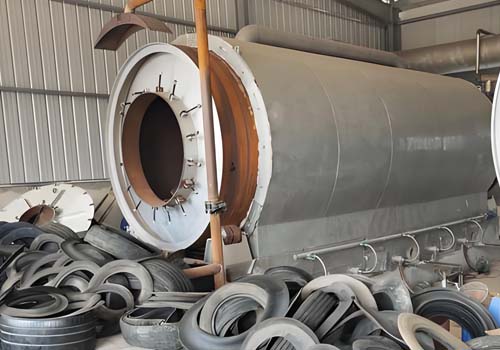
Tyre Pyrolysis Plant

Waste tires are non-degradable and occupy a large amount of land. Traditional disposal methods (landfilling, incineration) pollute the environment. Our tire pyrolysis plant can completely decompose waste tires without secondary pollution, helping governments and enterprises solve waste tire disposal problems and comply with environmental regulations.

Parameter
20t plastic pyrolysis equipment

Plastic Pyrolysis Plant

In the face of mounting global plastic waste and the urgent need for sustainable solutions, plastic pyrolysis has emerged as a cutting-edge technology to convert end-of-life plastics into valuable energy resources. PyrolysisUnit’s advanced systems are designed to process 1–35 tons of waste plastics per day, delivering a high oil yield of 30%–70%, depending on the plastic type and process parameters.

Parameter
biomass

Oil Sludge Pyrolysis Plant

With a daily processing capacity of 1 to 20 tons, the Oil Sludge Pyrolysis Plant is specifically designed for scenarios including oilfield sludge treatment, refineries, oilfields, and industrial waste treatment projects. Its core function is to convert hazardous oil sludge into fuel oil, achieving an oil recovery rate of 30–50% while fully complying with environmental regulations. 

Parameter

Industrial Applications

Industrial pyrolysis plants serve as a core solution across diverse industries, aligning with waste management, resource recovery, and sustainability goals.
 
  • Waste management companies: Handle large volumes of organic waste (plastic, tires, oil sludge) to achieve harmless disposal and resource recycling, reducing landfill pressure.
  • Energy recovery projects: Convert waste into fuel oil, syngas, and other usable energy sources, supporting renewable energy strategies and energy self-sufficiency.
  • Municipal & government recycling: Complement urban waste management systems, addressing non-recyclable organic waste and advancing circular economy initiatives.
  • Oil & petrochemical industries: Treat oil sludge, tank bottom residues, and waste oil, realizing on-site resource reuse and complying with environmental regulations.
  • Industrial parks: Manage mixed industrial waste uniformly, reducing cross-contamination risks and lowering overall waste disposal costs for park enterprises.

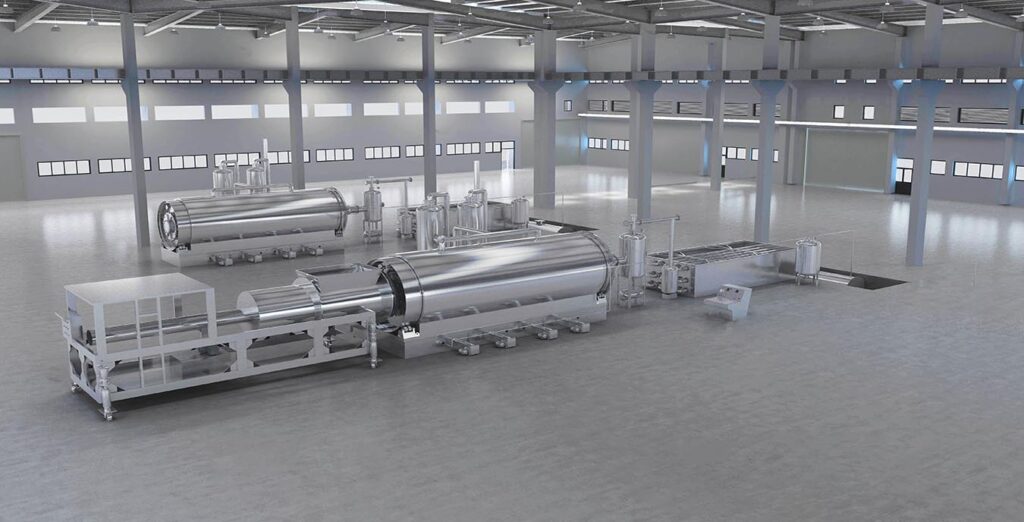
pyrolysis machine

Key Features of Industrial Pyrolysis Systems

Industrial pyrolysis systems are engineered to meet the rigorous demands of large-scale waste processing and resource recovery, with core features that prioritize efficiency, reliability, and compliance:
 
  • Large processing capacity: Designed to handle high-volume waste streams (ranging from tons to tens of tons per day), adapting to the scale of industrial and municipal waste management needs.
  • Continuous & stable operation: Built with durable components and optimized process design, supporting uninterrupted 24/7 operation (for continuous models) or consistent batch processing, minimizing downtime.
  • Automated control system: Equipped with PLC-based automatic control for key parameters (temperature, pressure, feeding/discharging), reducing human intervention and ensuring process consistency.
  • Energy-efficient design: Integrate syngas recycling (reusing waste gas as fuel) and heat recovery systems, lowering external energy consumption and improving overall energy utilization.
  • Environmental compliance: Feature closed-loop operation, multi-stage flue gas purification, and zero-waste discharge systems, meeting global environmental standards (e.g., EU ETS, US EPA) for emissions and waste disposal.

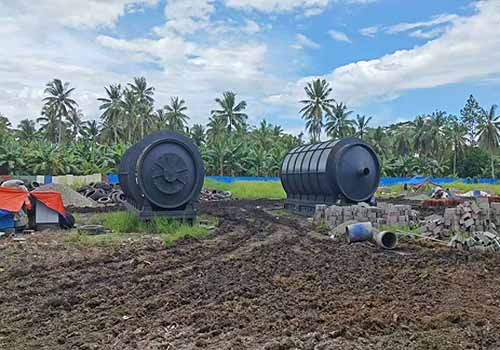
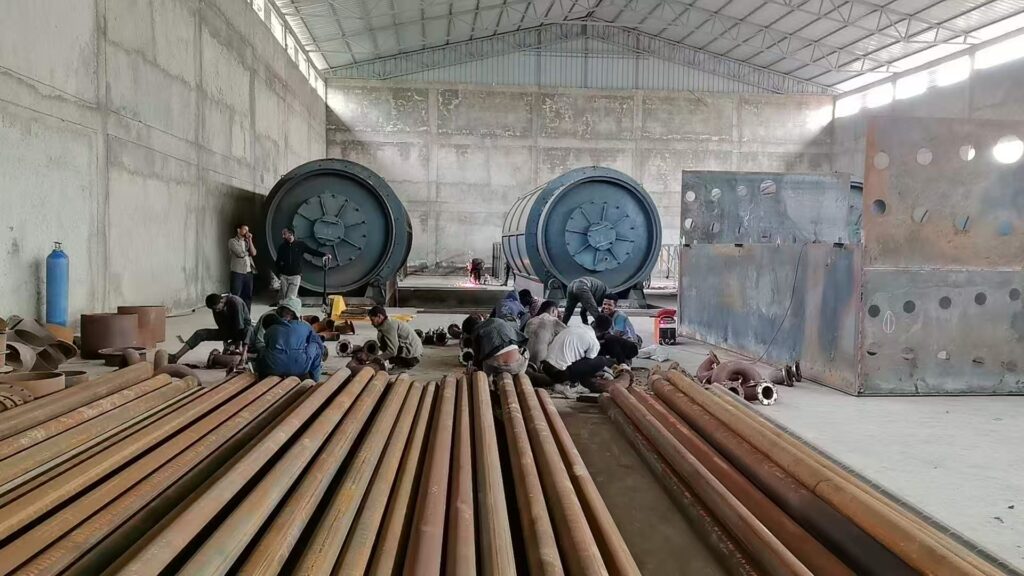
Ethiopian customer purchased two sets of pyrolysis equipment

Batch vs Continuous Industrial Pyrolysis Plants

Batch and continuous industrial pyrolysis plants are two primary operational modes, each tailored to specific waste processing needs. The following comparison helps you make an informed decision based on your project scale and requirements:
 
Comparison ItemBatch Industrial Pyrolysis PlantsContinuous Industrial Pyrolysis Plants
Processing ModeIntermittent operation: feeding → pyrolysis → discharging, with independent cycles for each batch.Uninterrupted operation: seamless connection of feeding, pyrolysis, and discharging, supporting 24/7 runtime.
Daily CapacitySuitable for small-to-medium scale (typically 5–15 tons/day), ideal for variable waste volumes.Designed for large-scale (30+ tons/day), suitable for stable, high-volume waste streams.
Operational FlexibilityHigh: Can switch between different waste types (e.g., plastic, tire, oil sludge) easily per batch.Low: Optimized for specific waste types; switching requires process adjustment and downtime.
Labor RequirementModerate: Manual intervention needed for feeding/discharging between batches.Low: Fully automated control reduces human input, with only monitoring required.
Stability & ConsistencyModerate: Product yield and quality may vary slightly between batches due to manual operation.High: Uniform process parameters ensure consistent product quality and stable yield.
Initial InvestmentLower: More cost-effective for small-scale projects or startups with limited budgets.Higher: Higher upfront cost, but achieves economies of scale for large-volume operations.
Batch plants excel in flexibility and low initial investment, making them a practical choice for small recycling facilities, startups, or projects with diverse waste sources. Continuous plants shine in efficiency, consistency, and large-scale processing, fitting industrial parks, large waste management companies, or projects with steady waste supply. The key is to align the mode with your daily waste volume, operational scale, and long-term development goals.

Why Industrial Pyrolysis Plants Are Used Worldwide

Industrial pyrolysis plants have become a globally adopted solution for waste management and resource recovery, driven by urgent environmental needs, energy transition goals, and policy guidance—reinforcing their credibility as a sustainable industrial practice.
 
  • Landfill reduction: With land resources growing scarce worldwide, landfilling has become unsustainable due to limited capacity and pollution risks (e.g., leachate contamination). Industrial pyrolysis reduces waste volume by 80–95%, minimizing landfill reliance and extending the lifespan of waste disposal sites, addressing a critical global waste management challenge.
  • Energy recovery: Amid rising fossil fuel costs and energy security concerns, these plants embody the “waste-to-energy” principle. They convert low-value organic waste (plastics, tires, oil sludge) into usable energy products like fuel oil and syngas, supplementing traditional energy supplies and reducing dependence on non-renewable resources—an essential advantage in both developed and emerging markets.
  • Environmental regulations: Governments globally are tightening environmental standards (e.g., EU Waste Framework Directive, US EPA regulations) to curb pollution from traditional waste disposal (incineration, landfilling). Industrial pyrolysis operates in a closed-loop, oxygen-free environment, minimizing emissions of dioxins, VOCs, and heavy metals. It helps enterprises comply with strict emission limits, avoiding fines and operational shutdowns.
  • Circular economy: As the circular economy gains traction as a global development model, industrial pyrolysis aligns perfectly with its core goal of “reducing, reusing, recycling.” It transforms waste from a liability into valuable resources (fuel, carbon black, recyclable residues), creating a sustainable industrial ecosystem that reduces resource depletion and environmental impact—supported by international organizations and national policy incentives.
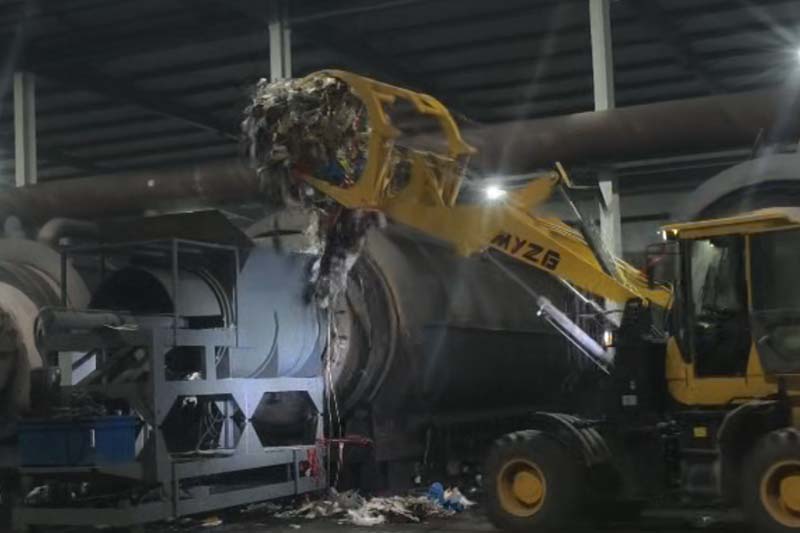
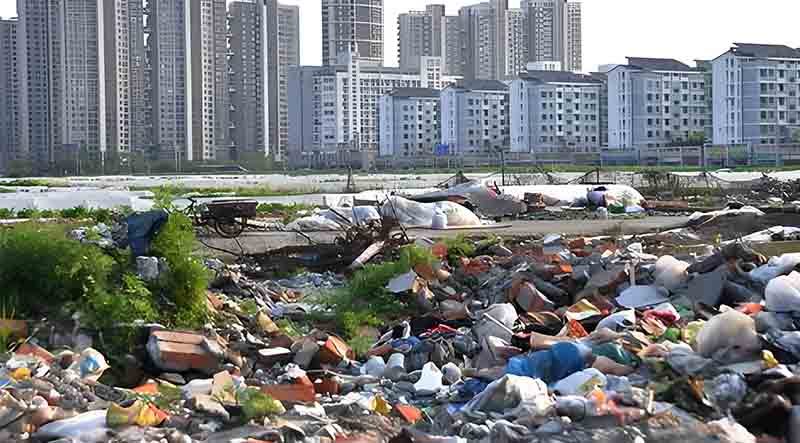
Urban solid waste
The global adoption of industrial pyrolysis plants stems from their ability to simultaneously solve waste management, energy supply, and environmental compliance challenges. Their alignment with global sustainability trends and regulatory requirements solidifies their position as a reliable, forward-looking industrial solution.

Explore Our Industrial Pyrolysis Solutions

Backed by years of industrial-grade engineering experience and customized project capabilities, we offer targeted pyrolysis solutions tailored to diverse waste types and operational scales.
 
Whether you focus on tyre, plastic, waste oil, oil sludge, or medical waste processing, our solutions are designed to meet industrial-level efficiency, compliance, and stability requirements. Each system is optimized based on deep industry insights and global project practice, ensuring alignment with your specific processing needs.
 
Looking for a solution that fits your project’s unique demands? Explore our specialized industrial pyrolysis plants to discover a system that matches your waste stream, capacity goals, and sustainability objectives.
 
 
Scroll to Top