

Table of Contents How Much Does It Cost to Start
Pyrolysis oil is a dark liquid fuel that results from heating waste material such as plastic or biomass without the presence of oxygen. Simply put, pyrolysis is defined as “a chemical decomposition of organic materials by exposure to heat in the absence of air.” This technology has been around for a very long time; however, it is currently being employed to convert non-recyclable plastic waste into renewable energy sources and other chemicals.
This bio-oil (or plastic pyrolysis oil) consists of carbon-based molecules analogous to those found in crude oil. The process is seen as a form of “chemical recycling” that will help decrease the reliance on primary petrochemicals, thereby making plastic products more sustainable.
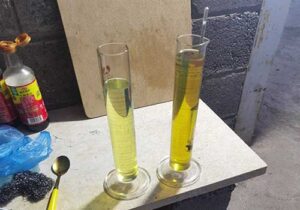
Due to the above-listed reasons, the process of upgrading is necessary to be performed in order to use the produced oil. Oil upgrading includes such operations as cleansing and conversion of the crude pyrolysis oil into the fuel type. These processes may include:
Feed preparation: Solid and poisonous contaminants are captured by using filters or adsorbing beds.
Hydrotreatment (hydrotreating): Then the oil undergoes hydrotreating process when the mixture of oil and hydrogen is exposed to a catalyst in reactors. Such a treatment breaks the C–O, C–S, and C–N bonds in the molecules leading to removal of oxygen, sulfur, and other impurities. In addition, hydrogen interacts resulting in formation of water or hydrogen sulfide.
Separation: As a result of hydrotreating, there is performed separation. Thus, gases such as hydrogen, propane, and hydrogen sulfide are removed, whereas the oil itself is collected. It is possible to distill naphtha and gasoline-range products.
Reactor: Unreacted hydrogen can be recycled and clean oil can be further processed.
With these processes, the majority of “bad components” would be removed. It should be mentioned that nowadays some advanced technologies (for instance, the MaxFlux® process developed by Sulzer) utilize several catalyst beds and very high hydrogen circulation to achieve extremely high purity.
For example, researchers point out that plastic pyrolysis oils have significant content of sulfur, nitrogen, and halogen compounds which need to be removed; moreover, sometimes hydrotreating may require additional processing (with adsorbents and guard beds) in order to avoid catalyst poisoning.
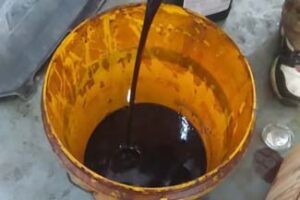
In its upgraded form, however, pyrolysis oil has many potential applications. Specifically, it can be utilized as fuel or a feedstock in chemical plants. For instance, purified pyrolysis oil can be mixed into diesel or jet fuel. It can also serve as an input into steam crackers that produce polyethylene by replacing naphtha. The benefits for industries are obvious: using pyrolysis oil allows recycling plastic waste. Consequently, industries can minimize their use of fossil fuels and reduce greenhouse emissions since pyrolysis oil enables the plastics industry to become sustainable.
Additionally, if the product is manufactured “just like virgin plastic,” the resulting recycled plastics will have the same qualities as conventional plastic. Thus, companies that prioritize sustainable operations can view pyrolysis oil as one of the core components of recycling plastic waste into usable material or even fuel. Sometimes, solid char leftover from the process can also have energy purposes. Nevertheless, the most important benefit offered by upgraded pyrolysis oil is that it can partly replace petroleum used in gasoline, jet fuel production, or consumer plastics.
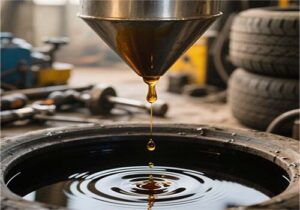
However, there is a set of issues with pyrolysis oil, both theoretical and practical. Let us consider them briefly:
Variable production quantity: The production facilities for pyrolysis oil typically generate relatively low volumes of the product, often in small lots. As such, there is an issue with ensuring regular supply of the material.
Variability of product quality: As mentioned earlier, the feedstock for the process can vary from mixed plastics to tires or biomass. This, in combination with differences between various batches, results in high levels of variation in contamination and water content. As a result, it becomes impossible to achieve consistent standards of treatment or blending.
Stability issues: The material in question might undergo changes over time due to reaction or degradation processes. Therefore, proper handling, storage, and transport of the substance becomes rather challenging as the product may polymerize.
Low yield ratio: One of the major arguments against the process in general refers to its relatively low efficiency. According to one report, when operated under optimal conditions, pyrolysis oil may only account for around 2% of recycled materials with plastic feedstock.
Necessity for dilution: Due to extremely high contamination of the raw product, there is need to dilute it with petroleum fuels.
These difficulties require unique designs and quality control measures for engineers. For instance, the establishment of contaminant standards is vital. There have been calls within the sector for agreed-upon specifications of pyrolysis oil such that any customer knows precisely what they are buying. This is because, without this measure, potential consumers will not be encouraged to purchase the oil. In conclusion, even though upgrades can address the chemical nature of the oil, the technical problems still pose significant challenges.
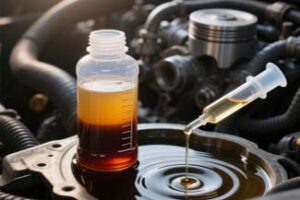
Not only technological factors but also legal ones determine the opportunities related to pyrolysis oil. In terms of plastic-based fuel, regulators worry about potential toxicants in the process. Thus, in the USA, there was a suggestion made by the Environmental Protection Agency (EPA) about introducing specific regulations regarding plastic-derived pyrolysis oil and its application for producing fuels. According to draft laws, companies would have to certify pyrolysis feedstocks and make sure that there were no toxic substances included (such as PFAS “forever chemicals,” heavy metals, dioxins, flame retardants, etc.). Such substances can adversely affect people’s health, which is why the EPA suggests applying Significant New Use Rules and conducting additional reviews in relation to 18 plastic-based pyrolysis oil products.
Business associations respond negatively to such regulation measures. For example, the American Fuel & Petrochemical Manufacturers (AFPM) notes that excessively restrictive regulations may limit the development of recycling due to pyrolysis oil. If the law eliminates the possibility of applying such oil further, the USA will face significant competition from other countries in the field of advanced recycling.
On the European front, lawmakers are also becoming more specific regarding the regulations for pyrolysis oil. In particular, the European Union is drafting its “mass balance” system for accounting purposes in chemical recycling: in layman’s terms, material from the recycling process may be considered for compliance with recycling objectives only when it is not used as fuel. Thus, in principle, a pyrolysis oil used in combustion processes may fail to count as recycled plastic based on future EU regulation. For their part, EU authorities have considered classifying pyrolysis oil (either as waste or a chemical substance under the REACH directive). Analysts have pointed out that ambiguous guidelines have dampened demand for pyrolysis oil in Europe during 2024-2025.
In summary, the regulatory framework is shifting towards tighter scrutiny of any hazardous substances in pyrolysis oil from plastic waste. The objective is to shield the population from environmental pollution. This development entails that manufacturers and scientists need to prioritize efforts in purification and analysis. Indeed, whether under the EPA requirements in the United States or the EU’s regulations on recycled material, pyrolysis oil will soon have to comply with regulations on contamination and safe usage.
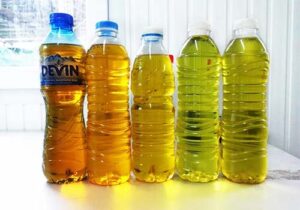

Table of Contents How Much Does It Cost to Start
Table of Contents 3 Types of Pyrolysis Furnace Insulation Shells
Table of Contents The Charcoal Making Process, Step by Step: