
South Africa faces two interlinked challenges that make pyrolysis an attractive, practical solution: a large and growing waste stream (particularly tyres and mixed plastics) and continuing pressure on energy security and fuel supply. Pyrolysis plants convert problem waste into marketable products — pyrolysis oil (fuel), recovered carbon (char/carbon black), syngas for on-site energy, and recyclable steel — while dramatically reducing the volume and environmental hazards associated with landfill and illegal dumping. For mining houses, municipalities, waste recyclers and industrial heat users, on-site or near-site pyrolysis can turn an operating cost and compliance headache into a controllable revenue and energy source.
This guide explains how pyrolysis works, the South African policy and market context, environmental and permitting expectations, the economics you should expect, and why Pyrolysis Unit is a partner of choice for projects in South Africa.
A realistic business case for any pyrolysis project starts with local data and policy. South Africa generates very significant volumes of end-of-life tyres and mixed plastic waste every year — volumes that create real demand for scalable recycling solutions. Recent national and industry reports and plans are explicitly encouraging development of processing capacity to divert tyres and other hydrocarbon wastes away from landfill toward recovery and beneficial use.
At the same time, South African industry remains sensitive to electricity availability and costs. While the electricity system has been through cycles of severe load-shedding, the need for both energy resilience and options for on-site generation makes fuel-producing pyrolysis plants particularly attractive for mines, industrial parks and remote operations that face high fuel and electricity bills. Pyrolysis oil can be used as a process fuel, the syngas produced is usable for on-site heating or power generation, and recovered materials can be sold into local commodity markets — creating multiple value streams that strengthen project returns and operational resilience.
Practical note for planners: recent commercial activity shows suppliers and project owners are already installing pyrolysis capacity in South Africa, demonstrating the technology’s commercial traction when designed and permitted correctly.
Environmental stewardship is non-negotiable: regulators and financiers will expect robust planning, monitoring and mitigation.
Key regulatory touchpoints
- National Waste Policy and Industry Plans: South Africa’s waste governance framework and sector-specific industry plans explicitly aim to increase tyre processing capacity and better manage problematic waste streams. These documents set the overall direction and are a useful foundation for project justification.
- Environmental authorisation: projects often need an environmental authorisation under the National Environmental Management Act (NEMA) or related provincial instruments. The specific level of assessment (basic assessment vs full EIA) depends on project scale, location and local municipality rules.
- Air emissions and waste management requirements: pyrolysis plants must include appropriate air pollution control (particulate, VOCs, SOx/NOx where applicable) and manage residues (char, spent scrubber media) to avoid regulatory non-compliance. Routine stack monitoring and community engagement are typical permit conditions.
- Industry stewardship and reporting: where tyres are concerned, engagement with industry bodies and stewardship initiatives (and traceable feedstock records) strengthens permit applications and market access for outputs.
Best practice compliance measures (recommended)
- Pre-project baseline studies (air, noise, traffic).
- Emissions control design with continuous monitoring and reporting capability.
- Solid residue handling and beneficial use strategy for char and recovered steel.
- Community and stakeholder engagement plan (particularly in peri-urban and municipal projects).
- Third-party verification for product quality (oil and carbon) to open industrial or fuel markets.
- Pyrolysis Unit provides a compliance package with each plant: environmental design specs, sample monitoring protocols, and support to assemble permit application documentation — reducing regulatory risk and accelerating commissioning.
A pragmatic economic model for a South African pyrolysis plant needs to combine capital cost, reliable feedstock supply, product markets and local operating conditions (labour, utilities, transport).
Revenue and value streams
- Sale of pyrolysis oil: as industrial heating fuel, or after distillation, as an alternative diesel/naphtha blendstock. Local demand is strong where industrial users need thermal fuel or where transport fuel blending routes exist.
- Sale of carbon char/black: depending on grade and beneficiation these can enter agricultural, construction or specialty carbon markets. Upgrading (e.g., activation) increases value but adds CAPEX/OPEX.
- Recovered steel: straightforward scrap income stream.
- Energy offset savings: using syngas or combusting pyrolysis oil on-site reduces purchased electricity and fuel costs — a particularly valuable benefit for mines and remote plants facing high energy costs or unreliable grid supply. This can materially shorten payback time.
CAPEX & OPEX drivers
- Scale and technology: continuous pyrolysis plants with feed rates in the multiple-tonnes/day range deliver better cost per tonne but require higher upfront CAPEX and stricter feedstock regularity.
- Feedstock logistics and gate fees: reliable feedstock supply chains (purchase, collection or gate fees) are critical. Where a project converts a liability (e.g., waste tyres) into feedstock, gate fee income or avoided disposal costs improve project economics. Recent South African industry planning is actively seeking to facilitate tyre processing capacity — a structural tailwind for projects with guaranteed tyre volumes.
- Product off-take agreements: having pre-negotiated customers for oil, char and steel (or on-site use for oil) de-risks sales and supports financing.
- Utilities and maintenance: energy for feedstock drying, periodic refractory or reactor maintenance, and labour — these need conservative assumptions in financial models.
Typical payback ranges
Payback varies widely with feedstock cost, plant scale, product pricing and local operating conditions. For well-sized continuous plants with steady feed and pre-arranged off-takes, paybacks can fall into attractive ranges for industrial investors — often in the 2–6 year window in real projects — but detailed, site-specific financial modelling is essential. Pyrolysis Unit offers an economic feasibility package (site audit + 3-year cashflow model) to validate project economics for lenders and owners before purchase decisions.
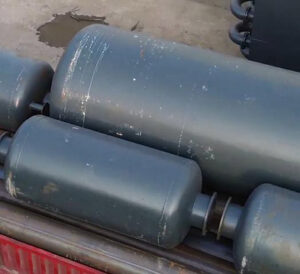
Projects and supplier activity in the region show demand and feasibility are real. South Africa has both local technology providers and international suppliers delivering plants and equipment — evidence that markets for feedstocks and products exist and that supply chains for plants are active. For example, commercial operations and deliveries of pyrolysis equipment to South Africa have been reported in recent years, demonstrating that plants can be deployed and integrated with local feedstock streams.
What this means for you
- Early movers gain competitive advantage. Municipalities and industrial users that secure feedstock aggregation and processing agreements now will be the first to benefit from avoided disposal costs, predictable fuel supply and revenue from recovered materials.
- Technology selection matters. Continuous, modular systems with robust off-gas treatment and automated control are preferable for industrial and municipal projects given South African regulatory and environmental expectations.
- Local partnerships reduce risk. Partnering with a supplier who offers training, commissioning, spare parts and remote support reduces downtime and maximises available operating income.
Why choose Pyrolysis Unit
- Technology tuned to South African feedstocks: our designs prioritise tyre and mixed plastic handling, with flexible feeding systems and enhanced metal separation for high OTR/industrial tyre content.
- Compliance-first engineering: integrated emissions control packages, condensation trains, and product sampling ports make permit compliance and monitoring straightforward.
- Turnkey project delivery: feasibility, design, supply, on-site commissioning, operator training and after-sales support — we supply the full stack so you can move to revenue quickly.
- Local project experience: we collaborate with South African engineering partners, understand permitting pathways and can introduce local operations best practice to shorten time to production.
(We do not claim to operate third-party plants; instead Pyrolysis Unit supplies equipment and project services tailored to South African projects and can share anonymised project metrics under NDA.)
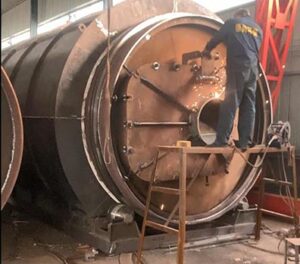
A successful project begins with a short, structured feasibility phase. Below is a practical checklist to move from interest to investment decision.
Feasibility checklist (first 8–12 weeks)
- Feedstock audit: quantify feedstock type(s), seasonal variations, contaminants and current disposal costs. Aim for a minimum 3-year supply contract or firm aggregation plan.
- Site selection: identify candidate sites with access to utilities, transport and a suitable industrial zoning or permitting pathway. Proximity to feedstock and product markets matters.
- Regulatory scoping: early engagement with the provincial environmental office and local municipality to identify permitting needs (NEMA trigger, air emissions, waste handling). Pyrolysis Unit can prepare a regulatory roadmap.
- Off-take conversations: preliminary interest letters from oil buyers, industrial users, or in-house fuel use cases dramatically improve project bankability.
- Preliminary CAPEX/OPEX model: Pyrolysis Unit will supply benchmark capital and operating costs for the selected scale and feedstock mix, and a sensitivity analysis for oil price, feedstock cost and utilisation.
- Site visit and technology recommendation: we’ll match reactor type (batch vs continuous), downstream distillation or upgrade needs, and emissions control equipment to the project.
- Financing path: options include owner-funded, project finance, equipment leasing, or public-private partnerships for municipal projects. We support term sheets and lender technical due diligence.
Typical project timeline (indicative)
- Feasibility & site selection: 6–12 weeks
- Permitting & environmental authorisation: 3–9 months (depends on scale)
- Fabrication & delivery: 3–6 months (modular systems can be faster)
- Commissioning & ramp to steady state: 1–3 months
Next steps with Pyrolysis Unit
- Share basic project details: feedstock type & volumes, preferred site, target commissioning window.
- We will provide a complimentary Project Brief and high-level economic sketch within 7–10 working days.
- If you wish to proceed, we follow with a paid feasibility package that includes a site audit, regulatory risk map and a 3-year financial model.
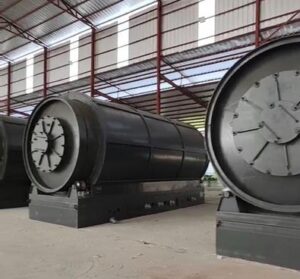
Closing: why now is the time for practical, compliant pyrolysis projects in South Africa
South Africa’s combination of significant tyre and plastic waste streams, active industry planning to expand processing capacity, and continuing incentives to improve energy resilience create a favourable commercial and social environment for pyrolysis projects. When designed and run with strong environmental controls and credible off-takes, pyrolysis plants deliver measurable outcomes: lower waste disposal risk, on-site or local fuel supply, reduced exposure to grid instability, and new revenue lines from recovered materials.
Pyrolysis Unit brings South Africa-focused engineering, compliance support and turnkey delivery capability to help municipalities, mines and industrial operators convert waste liabilities into productive assets. If you’re evaluating a pilot or a full-scale project, we’re ready to deliver a feasibility package that converts your local data into a bankable plan.