
Top Manufacturer of Pyrolysis Machines/Units

Table of Contents

Pyrolysis Reactor Price

1. Introduction: Why pyrolysis reactor price matters

Price is the very first factor to consider when getting familiar with pyrolysis technology. Indeed, the cost of a pyrolysis reactor becomes the subject of discussion almost immediately when the topic arises. Why does the price of a pyrolysis reactor differ? What should a buyer expect to pay? These and similar questions are quite reasonable.

First, a pyrolysis reactor is not just an ordinary piece of equipment; it is a system intended for operation under high temperature. Therefore, the cost will reflect not only the material from which the pyrolysis chamber is made, but also the quality of its design, safety characteristics, and many other factors.

This article considers pyrolysis reactors in detail. In particular, here we dwell on Pyrolysis Reactor Price, including the price of a tire pyrolysis reactor and plastic pyrolysis reactor.

We analyze the determining factors of the price and price ranges of pyrolysis equipment and share ways to determine whether the offered cost of the equipment matches your needs.

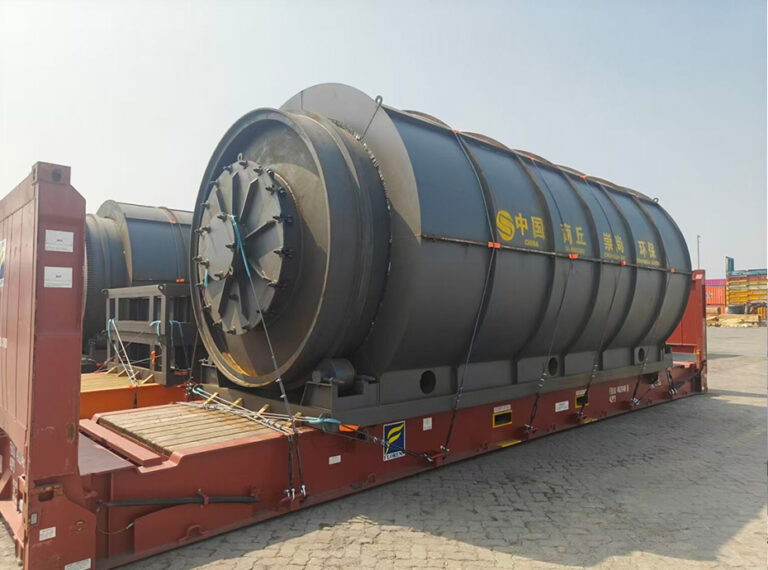
reactor

2. What a pyrolysis reactor actually includes

Many purchasers assume that a pyrolysis reactor is simply one big vessel. However, the reactor consists of a number of interrelated units. That explains the great price discrepancy.

The core part is the reactor vessel. Inside, tires or plastics get heated in a low oxygen atmosphere. The vessel material should be able to withstand high temperatures and stress without any deformation.

There are several other main parts around the reactor, including:

A feeding mechanism that allows loading tires or plastics safely

A heating system based on the gas generated in the process

Condensing facilities that will cool the hot vapor and turn it into oil

Gas recycling pipelines that recycle non-condensable gas

Systems to discharge char or carbon black

A set of control panels and safety mechanisms

It is worth noting that a Tire Pyrolysis Reactor features the technology of steel wire separation and enhanced feeding equipment. At the same time, a Plastic Pyrolysis Reactor is characterized by increased control over the temperature in order to eliminate melting plastics.

While comparing prices, it is vital to understand which equipment is actually being offered at the lower price.

3. Differences between tire and plastic pyrolysis reactors

Even though tire and plastic pyrolysis require heating and oxygen deficiency, their behavior in the process differs greatly. This means that the reactor design and its cost will differ too.

For a Tire Pyrolysis Reactor, one needs to consider:

High-density rubber composition

Steel wire inclusion

Higher ash and solid residue content

This is why tire reactors tend to weigh more. They can feature reinforced inner construction and stronger discharge mechanisms. They also incorporate metal recycling machinery. The latter makes tire reactors more expensive.

For a Plastic Pyrolysis Reactor, one should consider:

Melting plastic flows

Adhesive residues

Diversity of plastics used

Therefore, plastic reactors should have smooth inner walls and accurate temperature regulation systems. In some cases, there may be screw or extruder feeders to help handle melted plastics. For high-quality oil production, extra filtration and condensation processes are necessary.

Overall, neither of the reactors is necessarily cheaper than the other one. A basic batch Plastic Pyrolysis Reactor will likely be cheaper than its tire analog. Yet, an industrial continuous Plastic Pyrolysis Reactor with oil purification will be more expensive than its tire equivalent.
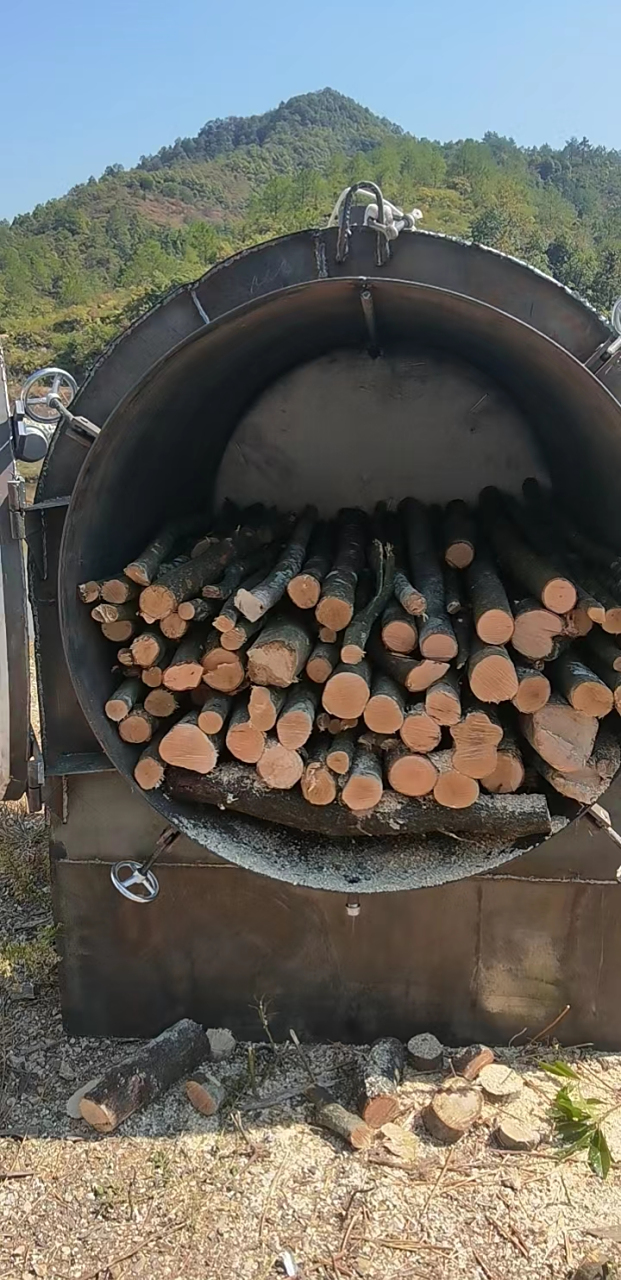
Batch pyrolysis reactor

4. Main factors that drive pyrolysis reactor price

There is no universal price for pyrolysis reactor. Multiple factors influence the final cost.

Capacity is the most important. Small plants with 1-3 tons per day capacity are cheaper than big ones with 20-50 tons per day capacity.

Reactor type affects the price too. Batch reactors are cheaper. Continuous reactors are more expensive, yet more efficient and reliable.

Quality of materials used influences the price directly. High-quality steel lasts longer and can withstand multiple heat cycles. Cheaper steel is less costly at first but causes more troubles in maintenance and repairs later.

Level of automation is another factor that influences the price. Manual reactors require more operators and cost less. Automated systems with PLC controllers are more costly initially but more reliable to operate.

Environmental equipment such as gas scrubbers, dust collectors, and emission monitoring systems affects the price, as well.

Customization and standards affect the price too. Reactors designed to satisfy strict national or regional standards are more costly than basic models.

That is how two quotes for a pyrolysis reactor of the same capacity can differ by tens or even hundreds of thousands of dollars.

5. Typical pyrolysis reactor price ranges

Although prices fluctuate, it is useful to estimate possible ranges.

Pilot test units are mostly utilized for research purposes. Such units process small amounts of input materials and cost tens of thousands of dollars. Pilot test units cannot be used in commercial waste processing.

Small scale commercial units, which usually have capacity between 1 and 5 tons per day, are the most popular type of pyrolysis systems. The basic Tire Pyrolysis Reactor and Plastic Pyrolysis Reactor costs around $50,000 – $200,000.

Medium-scale pyrolysis systems are the most widely used in recycling companies and process 5 – 20 tons per day. The cost is estimated as ranging from $150,000 to $600,000, where prices tend to be higher due to increased automation, continuous processes, and improved oil extraction.

Larger industrial-scale reactors have capacity above 20 tons per day. Such projects are usually tailor-made solutions that cost several millions of dollars, starting from the level of $500,000. The development of such plants usually requires additional pollution control measures and implementation of oil purification procedures.

It is important to mention that a turnkey installation will cost much more than just equipment only.
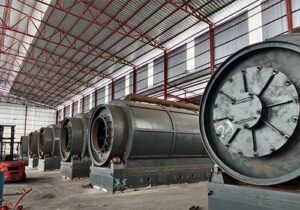
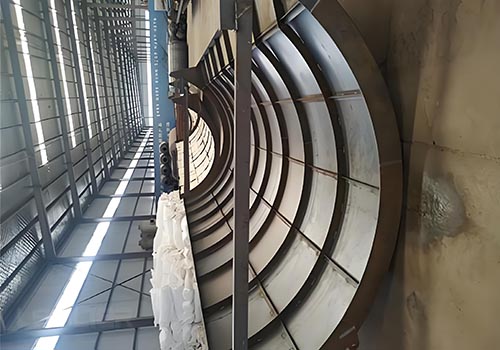
Reactor (Pyrolysis Chamber)

6. Installation and hidden costs to plan for

The reactor price is not the whole cost involved. Most purchasers do not anticipate additional costs.

Site preparations are usually necessary. This includes preparing concrete foundations, installing drains, and building roads. Larger reactors will require solid foundations.

Installation and commissioning costs should also be considered. It takes professional skills to align, insulate, and test even the best designed reactor.

Utilities such as electrical, water, and fuel connections are important. Increasing the power supply could be costly in some locations.

Inspections and permits are another factor in the price. Environmental clearance, fire safety measures, and pressurized vessel inspection may be mandatory.

Training and assistance for the start-up process should not be ignored. Without adequate training, an affordable reactor may cause operational errors.

When planning your budget, it is prudent to allocate more money than the stated Pyrolysis Reactor Price to accommodate these considerations.

7. Operating costs and long-term economics

The initial price doesn’t imply low total expenses. Operational costs are crucial for future earnings.

Feedstock costs are highly variable. Worn-out tires have to be paid for, while plastic materials may necessitate extra expenditures on cleaning them up.

Fuel consumption is vital too. Reusing the generated gas reduces the expenditure on purchasing fuel. Electrical heating boosts operational costs if electricity is expensive.

Staffing expenses will depend on the extent of automation. Non-automated reactors require more personnel per shift.

Maintenance and spare parts are continuous costs. Incompetent reactors will require more frequent maintenance.

Revenue from products will counterbalance these costs. Earnings stem from oils, gases, carbon blacks, and recycled metals. Market demand greatly influences income.

A properly configured Tire Pyrolysis Reactor or Plastic Pyrolysis Reactor can be more expensive initially but will generate constant output with less downtime, resulting in quicker ROI.
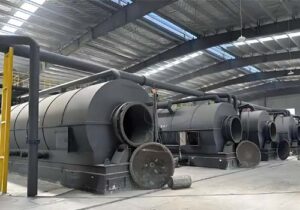
Pyrolysis Reactor Price

8. Choosing between tire and plastic pyrolysis systems

The material being processed will inform your choice more than cost alone.

When using scrap tires, a Tire Pyrolysis Reactor that efficiently separates steel and is built for durability is necessary.

For plastic, the best option would be a Plastic Pyrolysis Reactor that handles melting well and ensures oil extraction.

A few people may consider using the same machine for both types of material. While it is achievable, it might lead to some drawbacks.

9. Conclusion: understanding price leads to better decisions

Factors influencing the Pyrolysis Reactor Price are numerous, technical, practical, and diverse.

The Tire Pyrolysis Reactor and the Plastic Pyrolysis Reactor may have the same structure on the drawing paper; however, they have different prerequisites and conditions in practice.

Rather than choosing the cheapest reactor according to the quotation price offered by the vendor, we should choose based on the reactor’s cost-effectiveness and benefits for our operations.

If selected correctly, the right reactor would ensure the smooth operation of the system with high quality and output yield.

Pyrolysis is a viable option if implemented thoughtfully and planned realistically.

Recent Articles
Get A Quote
Plastic recycling
Related Blog
Scroll to Top