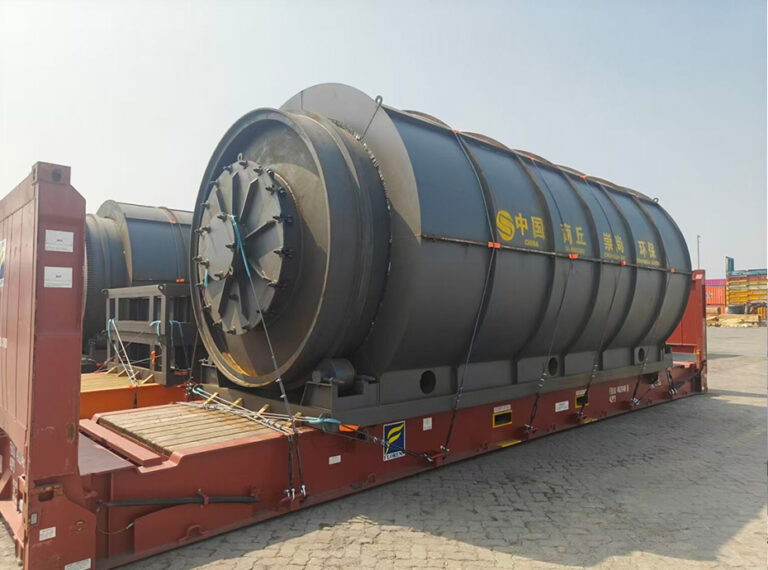
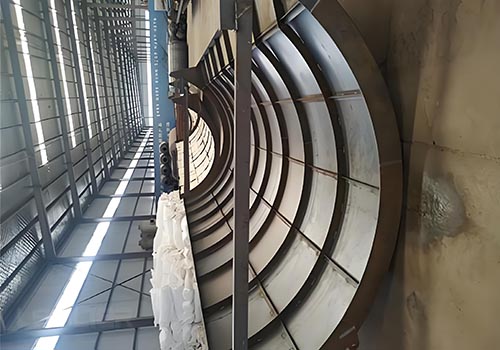
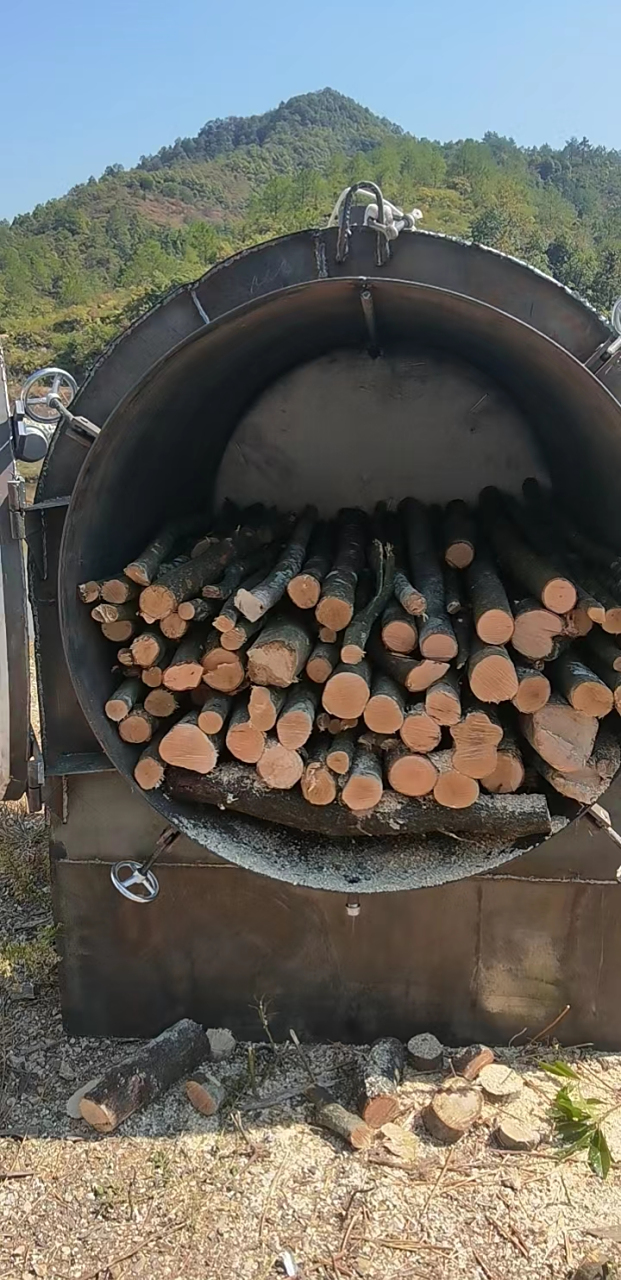
What Is Distillation Machine?
If you run a pyrolysis plant, you know that turning waste tires and plastics into oil is a solid process. But you might also know that the raw pyrolysis oil you get at the end of the line has its limits. It is dark, heavy, and mostly used as a simple heating fuel in factories.
What if you want to tap into better markets. That is where a distillation machine comes in. In my 10 years working with pyrolysis machinery, I have seen many plant owners hit a wall with their profit margins because they only sell raw oil. Today, I will break down exactly what a distillation machine is, how it works, and why it might be the next logical step for your business.
The Problem and The Solution
The Problem with Raw Pyrolysis Oil
Raw pyrolysis oil has a wide boiling range, high viscosity, and a dark color. It often contains impurities and a strong odor. Because of this, its main real-world application is direct combustion in heavy industries like cement plants, steel mills, or brick factories. While this provides a steady market, the selling price is relatively low. You are leaving money on the table when you sell your fuel raw.
The Solution: The Distillation Machine
A distillation machine takes that raw, heavy pyrolysis oil and refines it. Through controlled heating and chemical treatment, it separates the oil into different fractions based on their boiling points. The end product is a clean, yellow, non-standard diesel fuel. This upgraded diesel can be used in agricultural machinery, generators, and heavy mining equipment, opening up a much more profitable market for your plant.
Interactive Question: Have you ever calculated the price difference in your local market between raw heating fuel and non-standard diesel.
What Exactly Is a Distillation Machine
A distillation machine, also known as a waste oil refinery plant, is a specialized piece of industrial equipment designed to purify heavy oils. It does not just process pyrolysis oil from tires or plastics. It can also handle used engine oil, waste lubricating oil, and crude oil.
The core principle it uses is thermal distillation. Different substances boil and turn into gas at different temperatures. By heating a mixture of raw oil, the distillation machine forces the lighter, valuable oil components to evaporate into gas, leaving behind heavy residues like sludge or asphalt. Once that oil gas is cooled down, it turns back into a clean liquid fuel.
Think of it like boiling salt water to get fresh water. The water evaporates, leaves the salt behind, and then the vapor is collected and cooled into pure water. A distillation machine does this, but with complex hydrocarbon chains.
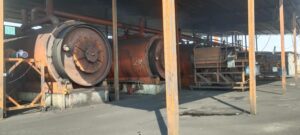
Different Types of Distillation Technologies
When researching machines, you will find different technical approaches. The physical and chemical properties of your waste oil usually dictate which technology works best for you.
Atmospheric vs. Vacuum Distillation
Atmospheric Distillation: This is a straightforward design. The distillation happens under normal atmospheric pressure. It requires high temperatures to reach the boiling points of heavy oils. It is reliable but consumes more heating fuel.
Vacuum Distillation: By lowering the pressure inside the reactor, the boiling point of the oil also drops. This means you do not have to heat the oil as much to turn it into gas. Vacuum distillation is safer, saves energy, and often produces a better quality of oil because the lower heat prevents the oil molecules from cracking irregularly.
Batch vs. Continuous Operations
Batch Systems: These require you to fill the reactor, run the process, cool it down, empty the asphalt, and start over. They are cost-effective to buy and simple to operate.
Continuous Systems: These feed oil and remove asphalt without stopping. Continuous systems cost more upfront but save labor and time in the long run.
Step-by-Step: How Does the Distillation Process Work
It helps to understand the physical journey the oil takes. The process is straightforward but requires precise control.
Step 1: Feeding the Reactor
First, the raw pyrolysis oil or waste engine oil is pumped into the main distillation reactor. Before doing this, it is crucial that the water content in the raw oil is below 5 percent. If the water content is too high, it will consume too much energy to evaporate and can cause the oil to splash uncontrollably inside the heated reactor.
Step 2: Heating and Vaporization
Next, you heat the reactor. You can use various fuels for this, including natural gas, coal, or even a portion of your own pyrolysis oil. As the temperature rises, the oil begins to boil.
At around 140 degrees Celsius, any remaining water vaporizes.
As the temperature climbs to the 320 to 370 degrees Celsius range, the primary oil gas is generated. This is the crucial phase where the heavy oil breaks down into lighter hydrocarbon chains.
Step 3: Condensation
The hot oil gas then travels into a cooling system, usually a series of water-cooled condensers. As the gas passes through pipes surrounded by cold water, its temperature drops rapidly. The gas changes its physical state back into a liquid. This liquid is the base for your non-standard diesel.
Step 4: Deep Purification
Even after condensation, the oil might still have an off-putting color or odor. To fix this, the oil undergoes a purification step. There are generally two methods used in the industry today:
Acid and alkali washing: This is a traditional, cost-effective method where chemicals are used to neutralize impurities.
Solid catalyst technology: This is a newer method where the oil gas passes through a catalytic tower before condensing. It requires a higher initial investment but automates the process and reduces chemical waste.
Step 5: Filtration and Storage
Finally, the oil passes through a filtering system, often using bleaching clay or pressure filtration, to remove any microscopic impurities. The result is a clean, bright fuel ready for storage and sale.
Interactive Question: Which purification method sounds more practical for your region, considering the availability of chemical supplies versus your budget for automated equipment.
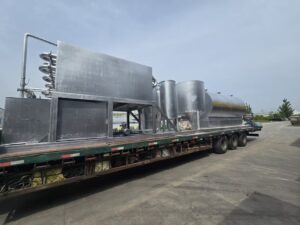
Key Operating Parameters and Timelines
To run a successful distillation plant, you need to understand the numbers. Equipment sizes vary, but typical commercial plants process between 5 and 20 tons of waste oil per day.
Here is a breakdown of the standard parameters for a typical batch distillation process:
Parameter | Typical Value / Description |
Daily Capacity | 5 to 20 Tons per day |
Ideal Water Content | Less than 5 percent |
Primary Vaporization Temp | 320 to 370 degrees Celsius |
Cooling Method | Water cooling condenser |
Expected Oil Yield | 80 to 90 percent |
Processing Time | Approximately 20 hours per batch |
Core End Products | Non-standard diesel, asphalt, combustible gas |
As you can see, the oil yield is quite high. If you put 10 tons of high-quality waste engine oil into the machine, you can expect to get 8 to 9 tons of usable diesel. The remaining 10 to 20 percent consists of heavy asphalt residue and non-condensable combustible gas. This gas is actually routed back into the furnace to help heat the reactor, which lowers your daily operating costs.
Site Preparation and Operating Needs
Running a distillation plant is an industrial operation. You need to plan your facility accordingly.
Space is a primary factor. A standard 10-ton-per-day batch distillation machine requires a floor area of roughly 30 meters by 25 meters. You need room not just for the reactor and cooling towers, but also for raw material storage tanks and final product storage tanks. Safety regulations require ample space between these zones.
Power consumption is another factor. The machines rely on electrical pumps and control panels. A typical mid-sized plant draws between 20 and 40 kilowatts of power. You need a stable electrical grid connection to ensure the pumps do not fail while hot oil is circulating.
Labor requirements are relatively low if you opt for a high level of automation. A modern plant with a programmable logic controller system usually needs just two trained workers per shift. One worker monitors the temperature and pressure dials, while the other handles logistics and safety checks.
Environmental Controls and Compliance
In the waste recycling industry, managing emissions is a priority. Local governments are strict about pollution. A high-quality distillation machine is designed as a closed-loop system. This means oil gases do not leak into the open air.
Furthermore, the exhaust smoke produced from burning fuel to heat the reactor must be treated. Standard distillation plants come equipped with a multi-step de-dusting and exhaust gas purification system. This usually includes water spraying, activated carbon adsorption, and sometimes desulfurization towers. When operated correctly, the emissions can meet strict European and local environmental protection standards, mitigating your regulatory risks and keeping your site compliant.
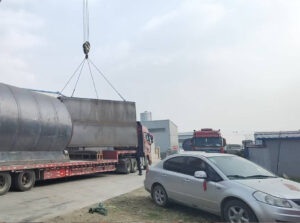
Real-World Application: Expanding Your Market
Let us look at how this changes your business model. I recently worked with a client who operated a 10-ton-per-day tire pyrolysis plant. They were selling their raw oil to a local brick factory. The revenue was steady, but their growth was stagnant.
They decided to install a distillation machine. By processing their raw tire oil into non-standard diesel, their target market shifted. Instead of only talking to heavy factories, they started selling to operators of large agricultural machinery, mining equipment, and diesel generators. They even sold the leftover asphalt to a local road-paving contractor.
The initial investment in the distillation equipment paid off because they diversified their client base and commanded a higher price per ton for their refined fuel. Note that this fuel is called “non-standard” diesel because it cannot be pumped directly into modern passenger cars at a gas station. It is meant for heavy, low-speed diesel engines.
Interactive Question: Who are the major users of heavy machinery and generators in your local area that might buy your refined diesel.
Summary
Upgrading a pyrolysis plant with a distillation machine changes the financial landscape of your recycling business. It converts a low-value heating fuel into a high-value industrial diesel. By understanding the temperatures, yields, and purification steps, you can make an informed decision on whether this expansion fits your operational goals.
Frequently Asked Questions (Q&A)
What kind of raw materials can a distillation machine process?
A distillation machine is versatile. It can process tire pyrolysis oil, plastic pyrolysis oil, used engine oil, waste lubricating oil, and crude oil.
Is the final product standard diesel that I can use in my car?
No, the final product is non-standard diesel. It is ideal for heavy-duty, low-speed diesel engines such as tractors, excavators, ships, and generators. It is not suitable for modern, high-speed automotive engines.
What happens to the waste that cannot be turned into oil?
The residue left at the bottom of the reactor is a heavy, thick sludge or asphalt. This material is not wasted. It can be sold directly to asphalt plants for road paving or used as a heavy heating briquette.
Does the distillation process cause air pollution?
When using modern equipment with proper exhaust gas purification systems, the process does not cause harmful air pollution. The systems use water spraying and activated carbon to scrub the exhaust before it is released, meeting industrial emission standards.
How long does one distillation cycle take?
For a standard batch-type machine, a complete cycle from feeding the raw oil, heating, distilling, and cooling takes roughly 20 hours. Continuous distillation models exist, which can run non-stop, but they require a higher initial investment and specific raw material consistencies.