

≥80% Fixed Carbon, 7,500–8,000 kcal/kg High-temperature carbonization at 350–850℃ under low-oxygen conditions produces premium charcoal that outperforms traditional wood charcoal (~6,500 kcal/kg) and meets BBQ, shisha, and industrial fuel standards.
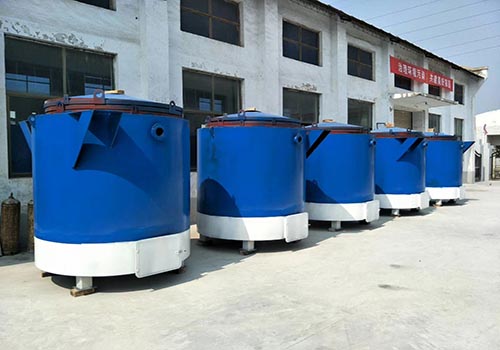
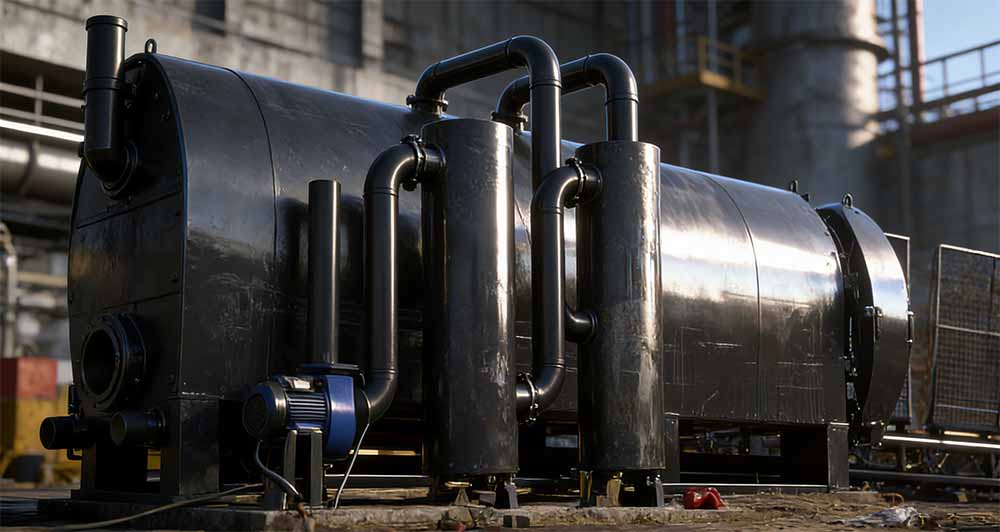
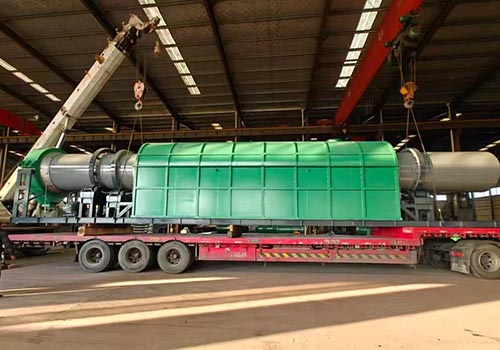
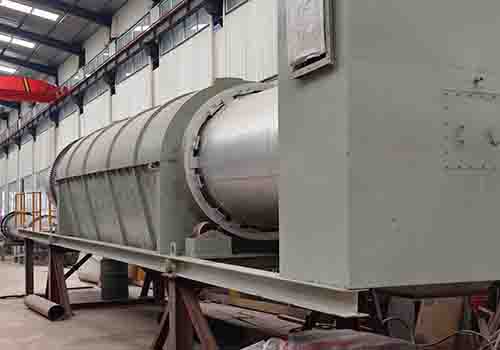
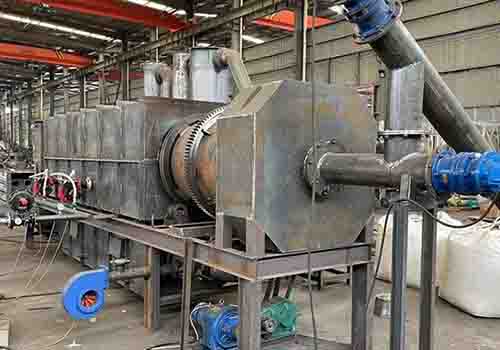
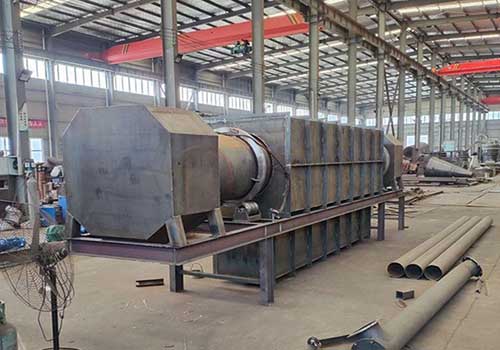
A Biomass Pyrolysis Machine is an industrial system designed to convert organic waste materials—such as agricultural residues, forestry by-products, and biomass (peanut shells, rice husks, corn stalks, bamboo, coconut shells, sawdust, etc.)—into charcoal, wood vinegar, tar, and combustible gas through a high-temperature pyrolysis process under low-oxygen conditions.
Instead of burning raw materials into ash, the machine heats them at around 800°C in a controlled environment, breaking them down into solid, liquid, and gaseous products:
Charcoal – High fixed carbon content (≥80%), calorific value 7500–8000 kcal/kg, clean fuel, and raw material for activated carbon.
Wood Vinegar – Used in agriculture, food preservation, medicine, and pest control.
Wood Tar – A valuable chemical raw material for waterproofing, shipbuilding, and pharmaceuticals.
Syngas (combustible gas) – Recycled back into the machine for heating, making the process energy-saving.
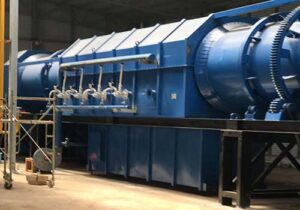
Key Features & Benefits:
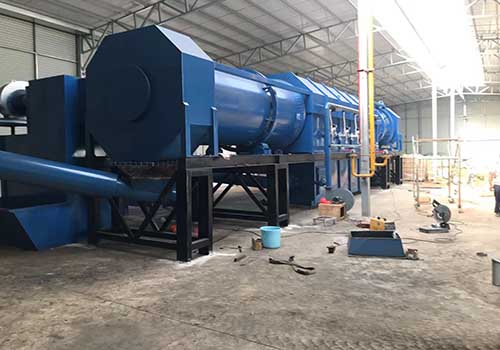
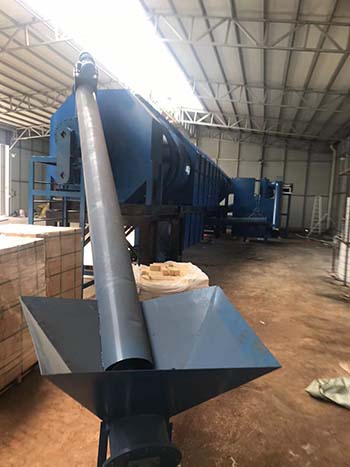
Carbonization reactor
Waste agricultural and forestry materials are placed in the reactor for carbonization
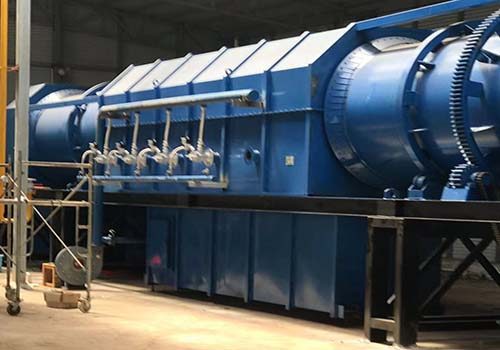
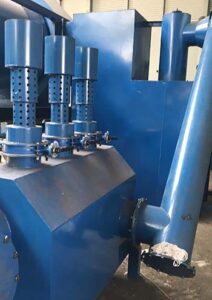
Heating system
Can use gas, diesel, or electric heating. Provides a stable, controllable high-temperature environment (typically 300°C–600°C).
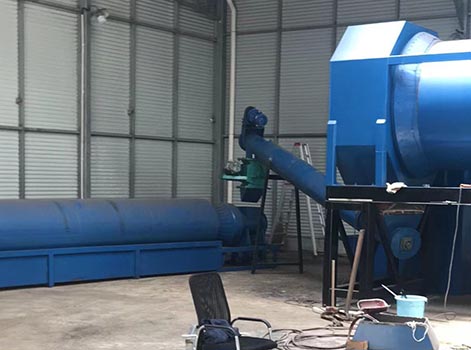
Feed port
Material feed port 24 hours carbonization 1-100t waste agricultural materials
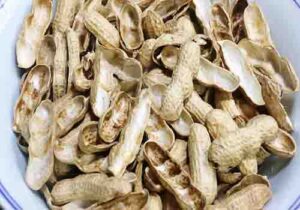
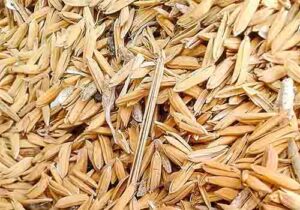
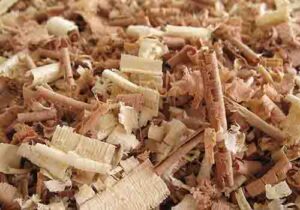
Introduction to Biomass Pyrolysis
1.1 Early Biomass Conversion
Before the development of modern pyrolysis machines, humans relied on simple methods to convert biomass into fuel. Traditional techniques mainly involved open burning or low-efficiency kilns, where agricultural residues, wood, and plant waste were burned directly to produce heat or charcoal.
These early methods had several limitations:
Low Efficiency: Much of the energy in the biomass was lost as smoke or ash.
Environmental Pollution: Open burning produced large amounts of smoke, harmful gases, and particulate matter, causing air pollution.
Unstable Quality: Charcoal or fuel produced lacked uniformity in carbon content and heating value.
Despite these drawbacks, early biomass conversion laid the foundation for modern technologies. It demonstrated the potential of agricultural and organic waste as a renewable energy source, paving the way for the invention of controlled pyrolysis methods that maximize energy recovery while minimizing pollution.
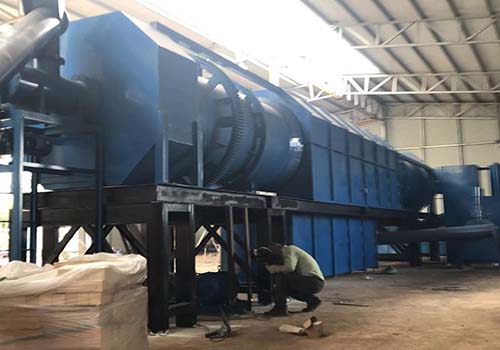
1.2 Modern Biomass Pyrolysis Techniques
Modern biomass pyrolysis techniques have evolved to efficiently convert a wide range of organic wastes into high-value fuels and byproducts, overcoming the limitations of traditional methods. Unlike open burning, these processes operate in controlled, high-temperature, low-oxygen environments, allowing biomass to decompose into charcoal, bio-oil, wood vinegar, and syngas without producing smoke or harmful emissions.
Key features of modern pyrolysis machines include:
Versatile Feedstock Processing: Capable of handling peanut shells, sawdust, corn stalks, sugarcane bagasse, rice husks, bamboo chips, coconut shells, coffee grounds, leaves, and other agricultural or organic residues.
High-Temperature Carbonization: Raw materials are heated to approximately 800°C in a near-closed chamber, ensuring complete carbonization without combustion.
Automated and Continuous Operation: Advanced machines feature automatic feeding, temperature regulation, and continuous heat recycling, improving efficiency and reducing labor requirements.
Environmental Safety: Equipped with smoke purification and gas recycling systems, these machines achieve smokeless, odorless, and non-toxic operation, meeting modern environmental standards.
High-Quality Output: The process produces charcoal with fixed carbon content ≥80% and calorific value of 7,500–8,000 kcal/kg, while also generating useful byproducts like wood vinegar and wood tar.
Modern pyrolysis systems not only provide a sustainable energy source but also create profitable byproducts for chemical, agricultural, and industrial applications, making them an ideal solution for renewable energy and waste management in today’s environmentally conscious market.
1.3 History of Biomass Pyrolysis as a Renewable Energy Solution
The concept of converting biomass into usable energy has existed for centuries, but it gained significant attention in the modern era due to environmental concerns and the need for sustainable energy sources. Early carbonization techniques were primarily aimed at producing charcoal for heating and cooking, often resulting in inefficient fuel use and significant air pollution.
With increasing industrialization and stricter environmental regulations, especially in the 20th and 21st centuries, biomass pyrolysis emerged as a cleaner, more efficient alternative. Controlled pyrolysis technology allowed the production of smokeless, high-energy charcoal and valuable byproducts such as wood vinegar and wood tar, all while minimizing emissions.
Key milestones in the history of biomass pyrolysis include:
Traditional Charcoal Production: Open-pit or brick kilns used for centuries, producing low-quality charcoal with high smoke emissions.
Industrial Carbonization: Introduction of semi-closed kilns improved yield and reduced pollution, enabling larger-scale fuel production.
Modern Pyrolysis Plants: Automated, high-temperature, low-oxygen systems capable of processing diverse biomass waste streams, producing high-quality charcoal, bio-oil, and other chemical byproducts.
Renewable Energy Integration: Today, biomass pyrolysis is recognized as a sustainable solution to waste management, energy generation, and chemical resource recovery, contributing to global efforts in carbon reduction and circular economy practices.
Modern biomass pyrolysis not only maximizes energy efficiency but also creates profitable byproducts, making it a vital component of renewable energy strategies worldwide.
1.4 Advantages of Biomass Pyrolysis Plant
Modern biomass pyrolysis machines offer numerous advantages over traditional biomass burning methods, combining environmental sustainability, energy efficiency, and commercial value.
1. Environmental Benefits
Eco-Friendly Fuel Production: Converts agricultural and organic waste into high-quality charcoal without cutting down trees, protecting forests and ecosystems.
Clean Operation: Advanced smoke purification and gas recycling systems ensure smokeless, odorless, and non-toxic processing, meeting modern environmental standards.
Waste Reduction: Provides a productive use for biomass residues, reducing landfill and uncontrolled waste burning.
2. High Energy and Product Quality
High Carbon Content: Charcoal produced has a fixed carbon content of ≥80% and calorific value of 7,500–8,000 kcal/kg, outperforming ordinary coal and traditional charcoal.
Low Moisture Content: Less than 5%, ensuring longer burn time and higher combustion efficiency.
Multiple Valuable Byproducts: Wood vinegar for agriculture and medicine, wood tar for industrial and chemical applications.
3. Economic and Commercial Advantages
Wide Market Applications: Charcoal can be used in steel production, foundries, mosquito coil and explosive manufacturing. Byproducts like wood vinegar and tar have chemical, medical, and agricultural uses.
Customizable Production: Machines can be tailored for different capacities (12–24t, 24–48t, 48–120t per 24 hours) to suit small, medium, or large-scale operations.
High Profit Potential: Efficient production, low labor requirements, and multiple revenue streams from byproducts make pyrolysis a lucrative business opportunity.
4. Operational Advantages
User-Friendly: Simple operation and easy learning curve, with temperature and process control handled manually or automatically.
Durable Equipment: Constructed from high-temperature-resistant alloys and stainless steel, ensuring long-term reliability and safety.
Continuous Energy Use: Heat generated in the process is recycled within the machine, maintaining a continuous, energy-efficient operation.
In summary, biomass pyrolysis machines provide a sustainable, high-efficiency, and profitable solution for converting organic waste into clean energy and valuable byproducts, making them an ideal investment for modern energy and industrial applications.
Types of Biomass Pyrolysis Plant on the Market
2.1 Batch Pyrolysis Machines
Batch pyrolysis machines are one of the earliest and simplest types of modern biomass pyrolysis equipment. They are designed to process fixed quantities of biomass in cycles, making them particularly suitable for small to medium-scale operations or experimental setups.
Key Features:
Cyclic Operation: Biomass is loaded into the pyrolysis chamber, carbonized, and then discharged before the next batch is processed.
Controlled Carbonization: The machine operates under high-temperature, low-oxygen conditions, ensuring that biomass is converted into charcoal or carbon powder rather than burning into ash.
Manual or Semi-Automated Operation: Operators can manually adjust temperature, feed rate, and internal air flow to achieve consistent carbonization quality.
Advantages:
High-Quality Charcoal: Batch machines produce charcoal with fixed carbon content ≥80% and low moisture (<5%), suitable for energy use and industrial applications.
Versatile Feedstock: Can handle a wide range of raw materials, including peanut shells, sawdust, corn stalks, bamboo chips, coconut shells, and other agricultural residues.
Low Investment Cost: Compared to continuous systems, batch machines require less initial capital while still producing efficient, smokeless fuel.
Ease of Operation and Maintenance: Simple design allows easy learning and operation, with minimal technical requirements.
Applications:
Small-scale charcoal production for local fuel markets
Experimental or pilot plants for testing different biomass feedstocks
Production of biochar and byproducts like wood vinegar and tar
While batch pyrolysis machines are less efficient than continuous systems for large-scale production, they are ideal for operators who require flexibility, high-quality output, and low startup costs.
2.2 Continuous Pyrolysis Machines
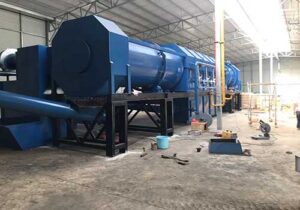
Continuous pyrolysis machines are designed for industrial-scale biomass processing, providing uninterrupted operation, higher efficiency, and stable product quality. Unlike batch systems, they allow biomass to be continuously fed into the pyrolysis chamber while carbonized material and byproducts are simultaneously discharged.
Key Features:
Uninterrupted Operation: Capable of running 24/7, maximizing productivity and energy efficiency.
Automated Feeding and Discharge: Biomass is automatically transported into the reactor, and charcoal, wood vinegar, and tar are continuously collected.
Advanced Temperature Control: High-temperature carbonization (~800°C) in a low-oxygen environment ensures consistent, high-quality output.
Integrated Smoke Purification: Exhaust gases are filtered and recycled to maintain smokeless, odorless, and environmentally safe operation.
Advantages:
High Production Capacity: Can process 24–48t or 48–120t of biomass per 24 hours, depending on machine size.
Stable Product Quality: Produces charcoal with ≥80% fixed carbon and low moisture content (<5%), while generating wood vinegar and wood tar as byproducts.
Energy Efficiency: Heat generated in the pyrolysis process is recycled within the system, reducing fuel consumption.
Reduced Labor Requirements: Automation minimizes manual intervention, lowering operational costs.
Applications:
Large-scale charcoal production for industrial and commercial markets
Biochar production for agriculture or soil improvement
Chemical byproduct extraction (wood vinegar and tar) for industrial or medical use
Continuous pyrolysis machines are ideal for operators seeking high-capacity, energy-efficient, and environmentally friendly solutions. They provide a sustainable way to convert large volumes of agricultural and organic waste into valuable energy and byproducts.
Why Equipment is Needed for Biomass Pyrolysis
3.1 History of Biomass Use
Biomass has been used as a source of energy for thousands of years, dating back to when humans first harnessed fire for heating and cooking. Initially, wood, plant residues, and other organic materials were burned directly to produce heat, providing a simple and accessible energy source.
Key stages in the history of biomass utilization:
Traditional Burning: Open fires and primitive kilns were used to generate heat, but this approach produced large amounts of smoke, low energy efficiency, and inconsistent fuel quality.
Early Charcoal Production: Over time, controlled carbonization methods were developed to convert wood and plant waste into charcoal. These methods reduced smoke compared to open burning but still lacked precision and efficiency.
Industrial Applications: With the rise of industrialization, biomass began to be used in limited industrial processes such as metal smelting, cooking fuel for bakeries, and energy for small-scale industries.
Modern Renewable Energy: In the 20th and 21st centuries, biomass became recognized as a renewable energy source. Advanced pyrolysis and gasification technologies now allow efficient conversion of agricultural residues and organic waste into clean energy, chemical byproducts, and biochar.
Modern pyrolysis machines build upon this long history, transforming biomass into high-value, environmentally friendly products. They maximize energy recovery while minimizing emissions, demonstrating the evolution from simple fuel use to sustainable waste-to-energy solutions.
3.2 Sources of Biomass
Biomass can be derived from a wide range of agricultural, forestry, and industrial organic wastes, making it a highly versatile feedstock for pyrolysis and renewable energy production. Utilizing these materials not only provides a sustainable energy source but also reduces environmental waste.
Common biomass sources include:
Agricultural Residues: Corn stalks, peanut shells, rice husks, sugarcane bagasse, sorghum stalks, bean stalks, cotton stalks, and sweet potato stems.
Forestry Byproducts: Bamboo chips, branches, sawdust, and other wood residues.
Industrial Organic Waste: Coconut shells, sunflower seed shells, coffee grounds, and distiller’s grains.
Municipal Organic Waste: Fallen leaves and other plant debris collected from urban or rural areas.
These biomass materials are particularly suited for pyrolysis because they are rich in carbon, low in moisture, and widely available. Their properties determine the efficiency, yield, and quality of the carbonized products, including charcoal, wood vinegar, and wood tar.
Modern biomass pyrolysis machines are designed to handle a diverse array of feedstock, allowing operators to process multiple waste types efficiently and produce high-quality outputs consistently.
3.3 Equipment Required for Biomass Processing
Efficient biomass pyrolysis requires specialized equipment designed to convert raw organic waste into high-quality charcoal, bio-oil, and byproducts while ensuring environmental safety and continuous operation. A complete biomass pyrolysis system typically consists of the following key components:
Gasifier
Burns biomass residues to generate heat and smoke.
Provides the primary energy required for the carbonization process.
Smoke and Gas Purification System
Filters out impurities such as tar, particulate matter, and harmful gases.
Ensures that exhaust gases are smokeless, odorless, and environmentally safe.
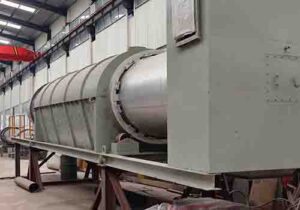
Pyrolysis Chamber (Carbonization Reactor)
Where the main carbonization occurs under high-temperature (~800°C) and low-oxygen conditions.
Converts biomass into charcoal or carbon powder without burning it to ash.
Can operate in batch or continuous mode depending on production scale.
Cooling Machine
Lowers the temperature of carbonized products to 50–80°C before discharge.
Optional mist spraying system can be added to prevent residual embers and ensure safe handling.
Auxiliary Systems
Conveyors and feed mechanisms for automated material handling.
Control systems for monitoring temperature, airflow, and carbonization speed.
Material Requirements:
All internal components are typically made of high-temperature-resistant alloys or stainless steel, ensuring durability, corrosion resistance, and long-term operational safety.
With these integrated systems, modern biomass pyrolysis machines achieve continuous, energy-efficient, and environmentally friendly operation, producing high-quality charcoal and valuable byproducts like wood vinegar and wood tar.
3.4 Choosing the Right Materials
Selecting the proper materials for the pyrolysis reactor and associated equipment is critical for durability, efficiency, and safety in biomass processing. The right material ensures that the system can withstand high temperatures, corrosive gases, and continuous operation without deformation or failure.
Key Considerations:
High-Temperature Resistance
The pyrolysis chamber operates at approximately 800°C, so materials must maintain structural integrity under prolonged heat.
Special alloys, refractory-lined steel, or stainless steel are commonly used for reactors and internal components.
Corrosion and Oxidation Resistance
During pyrolysis, gases like wood vinegar and tar can be chemically reactive.
Materials must resist corrosion, oxidation, and chemical wear to ensure long-term performance.
Insulation and Heat Retention
Proper insulation minimizes heat loss, improving energy efficiency.
High-quality steel with thermal coatings or refractory linings helps maintain stable pyrolysis temperatures.
Durability and Longevity
Equipment made from high-grade alloys or stainless steel resists deformation and mechanical wear, reducing maintenance needs.
Long-lasting materials ensure consistent product quality and minimize downtime.
Safety Considerations
Non-combustible and sturdy materials prevent accidents due to high temperatures or internal pressure.
Surface coatings or additional insulation may be used to protect operators and prevent accidental burns.
By carefully choosing high-quality, heat-resistant, and corrosion-resistant materials, operators can maximize the lifespan of the pyrolysis machine, maintain stable carbonization quality, and ensure safe, efficient production of charcoal and byproducts.
How to Get High-Quality Charcoal and Byproducts
4.1 Carbonization Process
The carbonization process is the core of biomass pyrolysis, transforming raw organic materials into valuable carbon products such as charcoal, biochar, and wood vinegar. This process involves heating biomass in a low-oxygen environment, which prevents complete combustion while breaking down complex organic compounds.
Steps of Carbonization:
Preparation of Raw Materials
Biomass such as peanut shells, sawdust, rice husks, bamboo, coconut shells, sunflower seed shells, coffee grounds, and leaves must be clean, dry, and uniform in size to ensure consistent heating and efficient pyrolysis.
Loading the Reactor
The prepared biomass is loaded into a batch or continuous pyrolysis reactor.
Proper arrangement allows even heat distribution, reducing the risk of incomplete carbonization or burning.
Heating Stage
The reactor is gradually heated to temperatures between 400°C and 800°C.
Low-oxygen conditions prevent combustion, allowing the biomass to decompose into solid (charcoal), liquid (bio-oil/wood vinegar), and gas (syngas) components.
Volatile Gas Collection
During heating, volatile gases are released.
These gases are collected and condensed into bio-oil or wood vinegar, which have additional industrial or agricultural uses.
Cooling and Discharging
Once carbonization is complete, the reactor is cooled before removing the solid charcoal, preventing ignition or damage.
The resulting charcoal is typically rich in carbon, low in moisture, and uniform in size, making it suitable for fuel, filtration, or soil improvement applications.
Key Benefits of Controlled Carbonization:
High carbon yield and product quality
Reduced smoke and environmental emissions
Efficient extraction of valuable byproducts such as bio-oil and wood vinegar
By carefully controlling temperature, oxygen levels, and reaction time, operators can maximize the yield and quality of both solid and liquid byproducts, making the biomass pyrolysis process highly efficient and environmentally friendly.
4.2 Chemical Extraction
Chemical extraction is a critical stage in biomass pyrolysis, focused on obtaining valuable chemical byproducts from the volatile compounds released during the carbonization process. These compounds include bio-oil, wood vinegar, acetic acid, methanol, and other organic chemicals, which have applications in agriculture, industry, and energy production.
Process of Chemical Extraction:
Collection of Volatile Gases
During pyrolysis, biomass releases a mixture of gases and vapors.
These gases are directed through a condensation system, which separates liquid components (bio-oil, wood vinegar) from non-condensable gases.
Condensation and Separation
The hot gases are cooled gradually in a condenser or cooling tower.
As the temperature drops, heavier liquids condense first, forming bio-oil, while lighter fractions like wood vinegar condense at slightly higher temperatures.
Filtration and Purification
The condensed liquids often contain small impurities or particulate matter.
Filtration and settling processes remove solid residues, producing a clear, high-quality liquid product.
Collection of Non-Condensable Gases
Non-condensable gases, such as carbon monoxide, hydrogen, and methane, can be reused as fuel to heat the reactor, improving overall energy efficiency.
Key Benefits of Chemical Extraction:
Produces multiple valuable byproducts in addition to charcoal
Enables sustainable recycling of organic compounds
Reduces environmental impact by capturing volatile compounds that would otherwise be released as smoke
By carefully controlling the pyrolysis conditions, including temperature, heating rate, and condensation system efficiency, operators can maximize the yield and purity of chemical products, turning biomass into a versatile source of energy and industrial chemicals.
4.3 Applications in Industry
Biomass pyrolysis and its chemical extraction products have found wide-ranging applications across multiple industries, transforming waste materials into valuable energy sources and raw materials.
1. Energy Production
Bio-oil and pyrolysis gas can be used as renewable fuels for heating, power generation, or as substitutes for fossil fuels in boilers and furnaces.
Non-condensable gases produced during pyrolysis are often recycled to heat the reactor, improving energy efficiency.
2. Agriculture
Wood vinegar (pyroligneous acid) can act as a natural pesticide, soil conditioner, and growth enhancer.
Biochar, produced from the carbonization process, improves soil fertility, water retention, and carbon sequestration, making it an effective organic amendment.
3. Chemical Industry
Extracted chemicals such as acetic acid, methanol, and phenolic compounds serve as raw materials for plastics, resins, and adhesives.
Pyrolysis byproducts can also be used in pharmaceutical and cosmetic applications due to their bioactive properties.
4. Environmental Management
Pyrolysis provides a sustainable solution for waste management, converting agricultural residues, forestry waste, and other biomass into usable products rather than letting them decompose or burn openly.
The process reduces greenhouse gas emissions and mitigates environmental pollution associated with traditional waste disposal.
5. Metallurgical and Industrial Applications
Biochar produced from pyrolysis can be used in smelting and metallurgical processes as a reducing agent.
Pyrolysis gas and oils can supplement industrial fuel needs, reducing reliance on fossil fuels.
Key Advantage:
By applying biomass pyrolysis technologies, industries can achieve a circular economy, turning organic waste into energy, chemicals, and soil enhancers, while reducing environmental impact and improving resource efficiency.
4.4 Reactor and Cooling Equipment
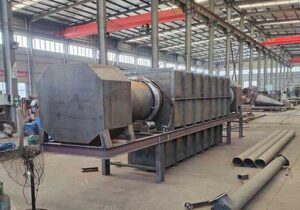
The reactor and cooling systems are the heart of a biomass pyrolysis machine, determining the efficiency, safety, and quality of the output products.
1. Reactor Types
Batch Reactors:
Load biomass in discrete batches and heat them under controlled conditions.
Advantages: Simple design, low initial cost, easy maintenance.
Ideal for small-scale production or experimental applications.
Continuous Reactors:
Biomass is continuously fed and processed, allowing higher throughput.
Advantages: Consistent product quality, higher efficiency, suitable for industrial-scale operations.
Rotary Drum Reactors:
Rotating cylindrical reactors ensure even heating and mixing of biomass.
Improve heat transfer and reduce the chance of localized overheating.
Fixed-Bed and Fluidized-Bed Reactors:
Allow better control of pyrolysis temperature and residence time.
Fluidized-bed reactors provide uniform particle suspension for enhanced reaction kinetics.
2. Heating Systems
Can be indirect (electric or steam-heated) or direct (combustion of pyrolysis gas).
Proper heat control is critical to avoid incomplete pyrolysis or charring.
3. Cooling Equipment
Condensers: Convert pyrolysis vapors into bio-oil by reducing temperature.
Cyclone Separators: Remove solid particles like char from gas streams.
Cooling Towers or Heat Exchangers: Reduce the temperature of exhaust gases and protect downstream equipment.
Water or Oil Cooling Systems: Used in specialized reactors to maintain stable operation and prevent thermal stress.
4. Safety and Efficiency Considerations
Proper insulation and pressure relief valves prevent overheating and pressure buildup.
Cooling systems also improve product recovery rates by ensuring more condensable vapors are captured.
Advanced control systems monitor temperature, pressure, and flow to maximize yield and minimize energy consumption.
Key Takeaway:
The design and integration of reactor and cooling equipment directly affect the quality of bio-oil, biochar, and syngas, as well as the overall energy efficiency and operational safety of the biomass pyrolysis system.
Maximizing Efficiency and Output
5.1 Difference Between Pyrolysis and Ordinary Combustion
Biomass conversion can occur through pyrolysis or ordinary combustion, but these two processes are fundamentally different in mechanism, products, and applications.
1. Pyrolysis
Definition: Thermal decomposition of biomass in the absence or near-absence of oxygen.
Temperature Range: Typically 300–700°C.
Products: Produces a mixture of biochar (solid), bio-oil (liquid), and syngas (gas).
Energy Efficiency: More efficient in recovering chemical energy from biomass, as it avoids complete oxidation.
Applications:
Bio-oil for fuels or chemical feedstocks
Biochar for soil amendment or carbon sequestration
Syngas for heating, electricity, or further chemical synthesis
2. Ordinary Combustion
Definition: Complete oxidation of biomass in the presence of oxygen, producing heat.
Temperature Range: Usually above 600°C.
Products: Mainly CO₂, water vapor, and ash, with minimal recoverable energy in chemical form.
Energy Efficiency: Energy is released as heat immediately, but chemical potential of the biomass is largely lost.
Applications:
Direct heating or power generation
Industrial furnaces, boilers, or stoves
3. Key Differences
| Feature | Pyrolysis | Ordinary Combustion |
|---|---|---|
| Oxygen Requirement | Very low or absent | Abundant |
| Main Products | Biochar, bio-oil, syngas | CO₂, H₂O, ash |
| Energy Recovery | Chemical energy retained in products | Energy released mostly as heat |
| Environmental Impact | Can produce cleaner energy carriers | Higher CO₂ emissions, less versatile |
| Temperature Control | Critical for product quality | Less sensitive, mainly for complete burn |
5.2 Best Pyrolysis Methods
The effectiveness of biomass pyrolysis largely depends on the method and operating conditions used. Selecting the right pyrolysis method ensures maximum energy recovery, product quality, and environmental benefits.
1. Slow Pyrolysis
Definition: Biomass is heated slowly (typically 0.1–1°C/s) at moderate temperatures (400–500°C).
Products: Primarily biochar, with smaller amounts of bio-oil and syngas.
Advantages:
High solid yield (biochar up to 35–40% of feedstock)
Ideal for soil enhancement and carbon sequestration
Applications: Agriculture, horticulture, and carbon storage initiatives
2. Fast Pyrolysis
Definition: Rapid heating of biomass (>100°C/s) at temperatures around 500°C with short residence time (seconds).
Products: Mainly bio-oil (up to 75% of feedstock), with some syngas and biochar.
Advantages:
High liquid yield suitable for renewable fuels
Faster processing for large-scale production
Applications: Biofuel production, chemical feedstock, and energy generation
3. Flash Pyrolysis
Definition: Extremely rapid heating (>1000°C/s) for very short periods.
Products: Mainly bio-oil and high-quality syngas, minimal biochar.
Advantages:
Produces high-quality liquid fuels
Efficient for certain industrial applications
Applications: Specialty biofuels, high-value chemicals
4. Catalytic Pyrolysis
Definition: Uses catalysts to enhance pyrolysis reactions, often at lower temperatures.
Products: Bio-oil with improved chemical composition (lower oxygen content, higher stability).
Advantages:
Reduces corrosive compounds in bio-oil
Enhances fuel quality and energy efficiency
Applications: Renewable fuel production, industrial chemicals
5. Microwave-Assisted Pyrolysis
Definition: Biomass is heated using microwave energy, offering uniform and rapid heating.
Products: Biochar, bio-oil, and syngas, with controlled quality.
Advantages:
Energy-efficient and fast
Fine control over temperature and product ratios
Applications: Lab-scale studies, specialized energy and chemical production
5.3 Choosing Suitable Pyrolysis Equipment
Selecting the right pyrolysis equipment is crucial for ensuring efficient processing, high-quality outputs, and safe operations. The choice depends on factors like feedstock type, desired products, scale of operation, and budget.
1. Reactor Types
Fixed-Bed Reactors:
Characteristics: Simple design, low cost, suitable for small-scale operations.
Advantages: Stable operation, easy maintenance.
Limitations: Low throughput, slower processing time.
Applications: Small farms, pilot projects, or research.
Fluidized-Bed Reactors:
Characteristics: Biomass is suspended in a fluid-like gas flow, providing uniform heating.
Advantages: High reaction efficiency, consistent product quality, and better heat transfer.
Limitations: Higher initial cost and more complex operation.
Applications: Medium- to large-scale biofuel or biochar production.
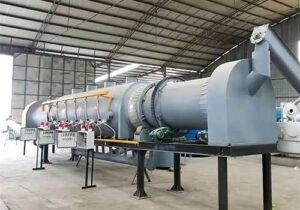
Rotary Kiln Reactors:
Characteristics: Rotating cylinder ensures continuous movement of biomass through the reactor.
Advantages: Handles diverse feedstocks, supports continuous processing.
Limitations: Requires higher maintenance, more space.
Applications: Industrial-scale pyrolysis for bio-oil and syngas production.
Auger/Conveyor-Type Reactors:
Characteristics: Biomass is transported through the reactor on a screw conveyor.
Advantages: Continuous operation, adjustable residence time, good for uniform particle sizes.
Applications: Commercial biomass pyrolysis plants producing multiple products simultaneously.
2. Heating and Energy Systems
Direct Heating: Combustion gases heat the reactor directly.
Pros: Simple and low-cost.
Cons: Risk of uneven heating and contamination of products.
Indirect Heating: Heat is transferred via walls or heat exchangers, avoiding contact between fuel and biomass.
Pros: Produces cleaner bio-oil and char.
Cons: Higher equipment cost and complexity.
3. Cooling and Condensation Equipment
Condensers: Collect bio-oil vapors efficiently and prevent loss of valuable liquids.
Gas Scrubbers/Filters: Ensure environmental compliance by removing particulates and harmful gases.
Cyclones: Separate char particles from gas streams, improving product purity.
4. Automation and Control Systems
Modern pyrolysis equipment often integrates temperature sensors, feedstock monitoring, and automated control systems.
Benefits: Ensures consistent product quality, improves safety, and reduces labor requirements.
5. Scale and Capacity Considerations
Small-scale (1–5 t/day): Ideal for research, pilot projects, or small farms.
Medium-scale (5–50 t/day): Suitable for commercial biochar and bio-oil production.
Large-scale (50–200 t/day or more): Industrial operations with continuous production and optimized energy recovery.
5.4 Material Selection
Selecting appropriate materials for pyrolysis equipment is critical to ensuring durability, safety, and efficiency. Pyrolysis involves high temperatures, corrosive vapors, and sometimes abrasive feedstocks, so material choice directly affects equipment lifespan and maintenance needs.
1. Reactor Body Materials
Carbon Steel:
Pros: Low cost, easy to fabricate.
Cons: Susceptible to corrosion and high-temperature oxidation; suitable only for low-temperature operations or with protective coatings.
Stainless Steel (304/316):
Pros: Excellent corrosion resistance, withstands moderate to high temperatures, widely used in industrial pyrolysis.
Applications: Bio-oil production, biomass with high moisture content or acidic compounds.
High-Temperature Alloys (e.g., Inconel, Alloy 600):
Pros: Excellent high-temperature strength and corrosion resistance.
Cons: Expensive, usually reserved for extreme conditions or highly corrosive feedstocks.
2. Condensation and Cooling System Materials
Stainless Steel: Resists corrosion from acidic bio-oil vapors.
Glass or Quartz: Used in laboratory-scale condensers for visibility and chemical resistance.
PVC/HDPE: Occasionally used in low-temperature systems for non-corrosive vapors.
3. Feedstock Handling Components
Augers, Conveyors, and Hoppers: Often made of stainless steel or wear-resistant steel to handle abrasive biomass like nutshells, rice husks, or wood chips.
Linings: Ceramic or refractory linings can protect equipment from high temperatures and abrasion.
4. Gaskets, Seals, and Pipes
High-Temperature Silicone or PTFE: Used for seals and gaskets to withstand heat and chemical exposure.
Stainless Steel or Alloy Piping: Prevents corrosion from hot gases and condensates.
5. Key Considerations
Temperature Resistance: Material must withstand operating temperatures without deformation.
Corrosion Resistance: Essential when processing feedstocks that release acidic vapors.
Abrasion Resistance: Required for systems handling hard or fibrous biomass.
Cost vs. Longevity: Higher-quality materials increase lifespan but raise initial investment.