Top Manufacturer of Pyrolysis Machines/Units

Sawdust Charcoal Making Machine

PyrolysisUnit offers two solutions for sawdust charcoal production: the Continuous Carbonization Furnace for large-scale operations processing 300–1,000 kg/h with automated feeding and discharging, and the Small Hoisting Carbonization Furnace for startups and small businesses needing flexible batch production.

Both machines convert sawdust into high-quality charcoal with a 33–40% yield rate, ≥80% fixed carbon content, and a self-heating design that recycles syngas to cut fuel costs. Whether you’re scaling up or just getting started, we have a sawdust charcoal making machine matched to your daily output and budget.

Sawdust Charcoal Making Machine — Overview

1. 33–40% Charcoal Yield

Produces 330–400 kg of finished charcoal per ton of dry sawdust — higher than rice husk or straw under the same conditions.

High Yield Sawdust Carbonization Machine

2. Self-Heating, Low Running Cost

 Syngas generated during carbonization is recycled back to heat the furnace, reducing external fuel consumption by up to 80% after startup.

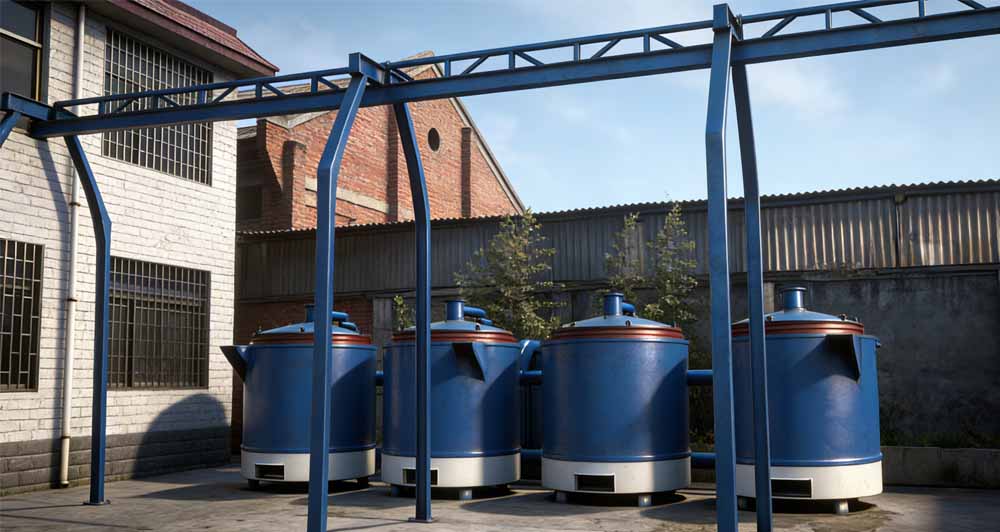
Recycled gas is utilized as a heat source for carbonization

3. ≥80% Fixed Carbon Content

Finished sawdust charcoal meets BBQ, shisha, and industrial fuel standards, with stable combustion and low ash output.

≥80 Fixed Carbon Content

What Is a Sawdust Charcoal Making Machine?

A sawdust charcoal making machine is a specialized industrial carbonization equipment designed to convert sawdust (a common wood processing by-product) into high-quality charcoal through controlled oxygen-limited thermal decomposition (pyrolysis) at 400–600℃.
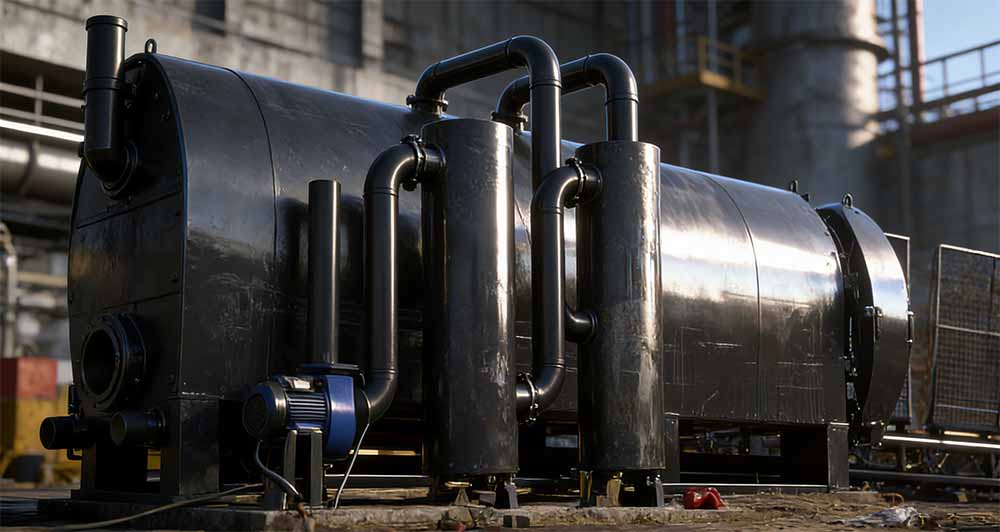
Small sawdust carbonization furnace
  • What it does: Its core function is to process pretreated sawdust (dried to moisture content ≤15%, with uniform particle size) through a closed carbonization process. It first dries residual moisture in the sawdust using waste heat, then conducts pyrolysis to break down organic components in the raw material under oxygen-restricted conditions, realizing the transformation of loose sawdust into dense, combustible charcoal.
  • What it produces: The main output is high-purity sawdust charcoal. During the carbonization process, it also generates by-products including combustible syngas (mainly hydrogen and methane) and tar. Notably, the syngas can be recycled to heat the carbonization chamber, forming an energy-saving closed loop.
  • What problems it solves: It primarily addresses two core issues: 1) The disposal challenge of low-value sawdust waste, which is often discarded as industrial refuse and causes environmental pressure; 2) The demand for cost-effective, renewable fuel. By converting low-cost or even free sawdust into marketable charcoal (used for BBQ, heating, industrial fuel, etc.), it turns biomass waste into profitable resources, creating economic value while promoting environmental sustainability.

The equipment is covered by a 12-month warranty, excluding damage caused by human error and consumable parts.

Parameter PUTHL-1 PUTHL-2 PUTHL-3 PUTHL-4
Diameter (mm) 800 × 1000 1000 × 1200 1200 × 1200 1500 × 1000
Yield (kg/h) 300 600 800 1000
Liquefied Gas Burner 5 6 9 12
Carbonization Temperature (℃) 350 – 850 350 – 850 350 – 850 350 – 850
Fan 15 22 30 35
Main Burner 1 1 1 1
Main Unit Power (kW) 4 5.5 7.5 11.5

How to Make Charcoal from Sawdust

Making charcoal from sawdust is a mature and efficient biomass recycling process. Before starting the formal steps, the first step is to prepare qualified sawdust raw materials. You can process various biomass materials (such as waste wood, wood planks, tree bark, and log scraps) into uniform sawdust through crushing equipment—this pretreatment ensures the smooth progress of subsequent carbonization and the quality of finished charcoal. The formal production process is divided into four core steps, as detailed below:

Step 1: Drying

The moisture content of raw sawdust is usually high, which will affect the carbonization effect and yield. Therefore, drying is a necessary pretreatment step. Put the prepared sawdust into a drum dryer for drying. The core goal is to reduce the moisture content of sawdust to below 20%. During the drying process, the dryer uses hot air to fully contact the sawdust, taking away excess moisture. Properly dried sawdust not only shortens the subsequent carbonization time but also ensures uniform carbonization and improves the combustion performance of the finished charcoal.

Step 2: Carbonization

Carbonization is the core link of sawdust charcoal production. Transfer the dried sawdust to a sealed carbonization device, and carry out thermal decomposition under oxygen-limited conditions. The optimal carbonization temperature is around 400℃. Under this temperature condition, the organic components in the sawdust (such as cellulose, hemicellulose, and lignin) will be decomposed, and the non-carbon components (such as water, volatile matter) will be separated, leaving a solid carbon-rich product—sawdust charcoal. The whole carbonization process needs to maintain a stable sealed environment to avoid excessive oxygen leading to sawdust combustion instead of carbonization.

Step 3: Cooling

After the carbonization process is completed, the sawdust charcoal is in a high-temperature state. Direct contact with air at this time will easily cause re-oxidation, which may burn the charcoal and reduce the yield. Therefore, cooling is a key step to protect the finished product. Transfer the high-temperature sawdust charcoal to a dedicated cooling device, and use air cooling or water cooling to lower the temperature of the charcoal to room temperature. The cooling process should be carried out in a relatively sealed environment to avoid air circulation that causes oxidation.

Step 4: Discharging

After the charcoal is completely cooled to room temperature, the discharging operation can be carried out. Collect the cooled sawdust charcoal through the discharging system, and then carry out simple sorting to remove a small amount of impurities (such as uncarbonized sawdust particles) to obtain high-quality finished sawdust charcoal. The sorted sawdust charcoal can be directly packaged for sale or further processed into charcoal briquettes according to market demand.
The finished sawdust charcoal has a wide range of applications: in industry, it can be used as fuel for boilers, foundries, and biomass power generation; in agriculture, it can be used as a soil amendment to improve soil aeration and water retention; in daily life, it is an ideal fuel for BBQ, heating, and shisha. This process not only realizes the recycling of biomass waste but also creates economic value.


Types of Sawdust Charcoal Making Machines

Hanging carbon making machine2

Small hoisting Charcoal Making Machine

The small hoisting type adopts a suspended sealing design, which ensures excellent airtightness, stable pyrolysis performance, compact footprint and simple operation.

Parameter
Horizontal carbon making machine2

Small horizontal Charcoal Making Machine

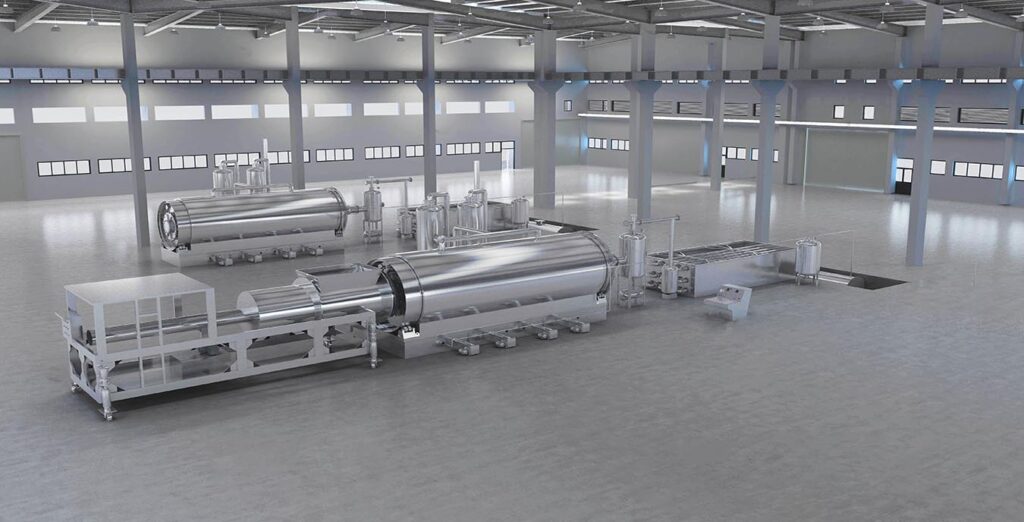
Horizontal Carbonization Furnace is a biomass carbonization system installed in a horizontal configuration. It converts biomass materials into charcoal (or biochar) through high-temperature pyrolysis under oxygen-limited conditions.

Parameter
continuous carbonization furnace

Continuous Carbonization Furnace

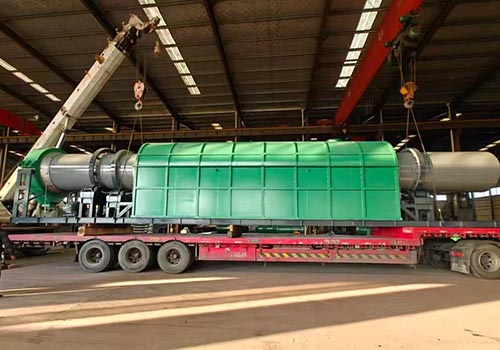
Continuous Carbonization Furnace allows raw materials to enter continuously, unlike batch kilns that require separate loading, carbonization, cooling, and unloading cycles.

Suitable for manure, coconut shells, wood, and agricultural residues, it can produce 10–30 tons of biochar per day. The furnace ensures high fixed carbon (70%–80%), low ash (1.99%–4.63%), consistent quality, easy operation, and low labor and energy costs, making it ideal for industrial-scale production.

Parameter
Scope of Services
Africa Projects 87%
Southeast Asia Projects 76%
Asian Projects 60%
PyrolysisUnit — Certification

Why Choose a Pyrolysis Machine from PyrolysisUnit?

After
Sales Service

We provide 24/7 online customer support, as well as video-based after-sales technical assistance from our engineers.

quality

1. The steel plate thickness of the main furnace is 18 mm.
2. The interior of the main furnace is fabricated using a spiral double-sided lap-welding process.
3. The external insulation support framework of the main furnace is constructed from 12 mm thick refractory castable and aluminum silicate cotton blocks.
4. All bolts used are Grade 8.8 high-strength bolts.

Sawdust Charcoal Production: Yield, Profit & Equipment Guide

Table of Contents

Part 1: Sawdust Charcoal Yield and Output

For investors and producers focusing on sawdust charcoal production, yield and output are the core concerns that directly affect production efficiency and profitability. Below is a detailed explanation of the key information you care about most:
  • 1 Ton Sawdust Produces How Much Charcoal?: Under standard production conditions (sawdust moisture content ≤15%, professional carbonization equipment), 1 ton of dried sawdust can produce approximately 0.33 to 0.4 tons of finished sawdust charcoal. In other words, 2.5 to 3 tons of qualified sawdust are needed to obtain 1 ton of high-quality charcoal.
  • Typical Yield Percentage: The typical yield rate of sawdust charcoal is 33% to 40%. This yield level is higher than many other biomass raw materials (such as straw and rice husk), making sawdust a cost-effective choice for charcoal production.
  • Key Factors Affecting Yield:
    • Moisture Content of Sawdust: Excessive moisture (above 15%) will increase energy consumption during the drying stage and easily lead to incomplete carbonization, reducing the final yield. Drying sawdust to the optimal moisture level is the basic guarantee for high yield.
    • Carbonization Reactor Performance: The design and quality of the sawdust charcoal making machine’s reactor directly affect the carbonization effect. Advanced, well-sealed reactors can maintain stable oxygen-limited conditions and uniform heating, effectively improving the carbonization rate and yield; outdated or poorly sealed equipment may cause material waste and yield reduction.

Part 2: Is Sawdust Charcoal Production Profitable?

The answer is undoubtedly yes. Sawdust charcoal production has obvious profit advantages, and its profit logic is simple and easy to understand, which is also the core reason why it is favored by small and medium-sized investors:
  • Raw Material Cost: Almost Zero: Sawdust is a by-product of wood processing industries such as furniture factories, sawmills, and carpentry workshops. Most manufacturers will give it away for free to reduce waste disposal pressure, or sell it at an extremely low price. Even if purchased, the cost is negligible compared to other industrial raw materials, which greatly reduces the production cost threshold.
  • Stable Charcoal Selling Price: Sawdust charcoal has a wide range of applications (BBQ, heating, industrial fuel, shisha, etc.) and stable market demand. Its selling price is far higher than the cost of raw materials, and there is a stable profit margin between supply and demand.
  • Simple ROI Logic: The core of profitability lies in the huge price difference between “almost zero-cost raw materials” and “marketable finished charcoal”. After deducting minimal operating costs (such as a small amount of electricity and labor), the remaining part is pure profit. The faster the production scale expands and the smoother the sales channel, the shorter the investment return cycle.

Part 3: Why Choose Our Sawdust Charcoal Making Machine

Having understood the profitability of sawdust charcoal production, choosing a high-quality sawdust charcoal making machine is the key to ensuring long-term stable profits. Our equipment has obvious advantages in core performance and operational experience:
  • High Carbonization Rate: Adopting advanced sealed carbonization technology and precise temperature control system, the carbonization rate can reach more than 95%, ensuring that the yield of sawdust charcoal is stably maintained at the industry’s high level, and avoiding raw material waste.
  • Stable Operation: The core components are made of high-temperature and corrosion-resistant materials, and have undergone strict quality testing. The failure rate is low during long-term continuous operation, ensuring stable daily output and avoiding production interruption losses.
  • Excellent Emission Control: Equipped with a professional gas purification and dust removal system, the combustible gas generated during the carbonization process is fully recycled, and the exhaust gas after treatment meets environmental protection standards. It can be used with confidence in various regions, avoiding environmental protection risks.
  • Intelligent Automation: It has a high degree of automation, and the whole process from feeding, drying, carbonization to cooling and discharging can be completed with simple operation. It only needs 1-2 operators, which greatly reduces labor costs and operational difficulty.

Part 4: Is Sawdust Charcoal Production Profitable?

The short answer: yes — and the numbers are straightforward.

 Per Ton of Dry Sawdust
Raw Material Cost$0 – $30 (often free from sawmills)
Charcoal Yield330 – 400 kg (33–40%)
Charcoal Selling Price$200 – $400 per ton
Estimated Gross Revenue$66 – $160 per ton of sawdust processed
Main Operating CostElectricity + labor (minimal — self-heating design)

A 500 kg/day operation generating 165–200 kg of finished charcoal daily can produce $33–$80 in gross revenue per day from material that costs little to nothing. Actual ROI depends on your local charcoal market price, feedstock availability, and daily throughput.

→ Use our free [Project Feasibility Calculator] to enter your numbers and get a personalized ROI estimate in 2 minutes.

Part 5: Frequently Asked Questions (FAQ)

Both options are available depending on your daily production volume. If your daily processing capacity is under 3 tons, a batch-type hoisting carbonization furnace is the more cost-effective choice — each cycle takes 8–12 hours and requires minimal labor. If your daily volume exceeds 3 tons, we recommend our continuous carbonization furnace, which features automated feeding and discharging for uninterrupted 24-hour operation. Not sure which fits your needs? Contact us with your daily sawdust volume and we'll recommend the right model.

Under standard carbonization conditions (temperature 400–600℃, moisture content of raw sawdust ≤15%), the finished charcoal produced by our machines achieves a fixed carbon content of ≥80%. This meets the quality requirements for BBQ charcoal, shisha charcoal, and industrial fuel applications. Actual results may vary slightly depending on the moisture content and density of your raw sawdust. We offer free raw material testing before purchase to confirm the expected output quality for your specific feedstock.

Power requirements vary by model. The main unit alone consumes 4–11.5 kW depending on the size. Including fans, conveyors, and auxiliary systems, total installed power ranges from approximately 19 kW (PUTHL-1) to 46.5 kW (PUTHL-4). All models run on standard 3-phase industrial power (380V/50Hz or customized to your local grid). A detailed electrical specification sheet is available upon request.

Yes. While optimized for sawdust, our carbonization furnaces can process a wide range of biomass materials, including:

  • Wood chips & wood shavings — same process as sawdust, slightly longer cycle time
  • Rice husk — high silica content, produces charcoal with slightly lower fixed carbon
  • Bamboo chips — yields high-quality charcoal with fixed carbon up to 85%
  • Coconut shell fragments — premium charcoal output, ideal for shisha and activated carbon
  • Straw & corn cob — suitable for agricultural biochar production

If you have a specific raw material in mind, send us a sample for a free test run before ordering.

The minimum order quantity is 1 unit — there is no requirement to purchase in bulk. Before placing an order, we offer two ways to verify the machine is right for you: first, send us a sample of your raw sawdust and we will run a free carbonization test at our facility, providing you with a full report on charcoal yield, fixed carbon content, and moisture results. Second, you are welcome to visit our factory in Shangqiu, Henan Province, China for an on-site demonstration with your own material. We believe you should see the results before you commit.

Yes. All PyrolysisUnit carbonization furnaces are equipped with a closed-loop gas recycling system and a multi-stage flue gas purification unit. The combustible syngas generated during carbonization is recycled back into the furnace as fuel, which both reduces external fuel consumption and eliminates the release of untreated smoke. After purification, exhaust emissions meet China's national emission standards (GB) and are suitable for operation in regions with strict environmental regulations. CE certification confirms compliance with European safety and environmental requirements. If your local authority requires specific emission data or test reports, contact us and we will provide the relevant documentation.

Scroll to Top