
Table of Contents How Much Does It Cost to Start

Mr. Xu, CEO&Engineer ·Technical Director·Engineer
We have accumulated 23 years of experience in the pyrolysis industry, spanning from 2003 to the present.
Mechanical & Oil Engineer PyrolysisUnit Chef Engineer Technical Advisor, China Recycling Association
Recycling waste into useful products means recovering materials from discarded items and turning them into inputs that can serve a defined purpose. Depending on the material, this may involve repairing and reusing an item, recovering metals, reprocessing plastics, producing new paper or glass products, converting organic residues, or recovering selected resources from difficult waste streams.
The best route is not always the most complex technology. A clean material may be suitable for direct reuse or conventional recycling, while a mixed or contaminated residue may require additional treatment. In every case, the result should be judged by what the recovered material can actually replace, whether it meets the required specification, and whether a viable user or buyer exists.
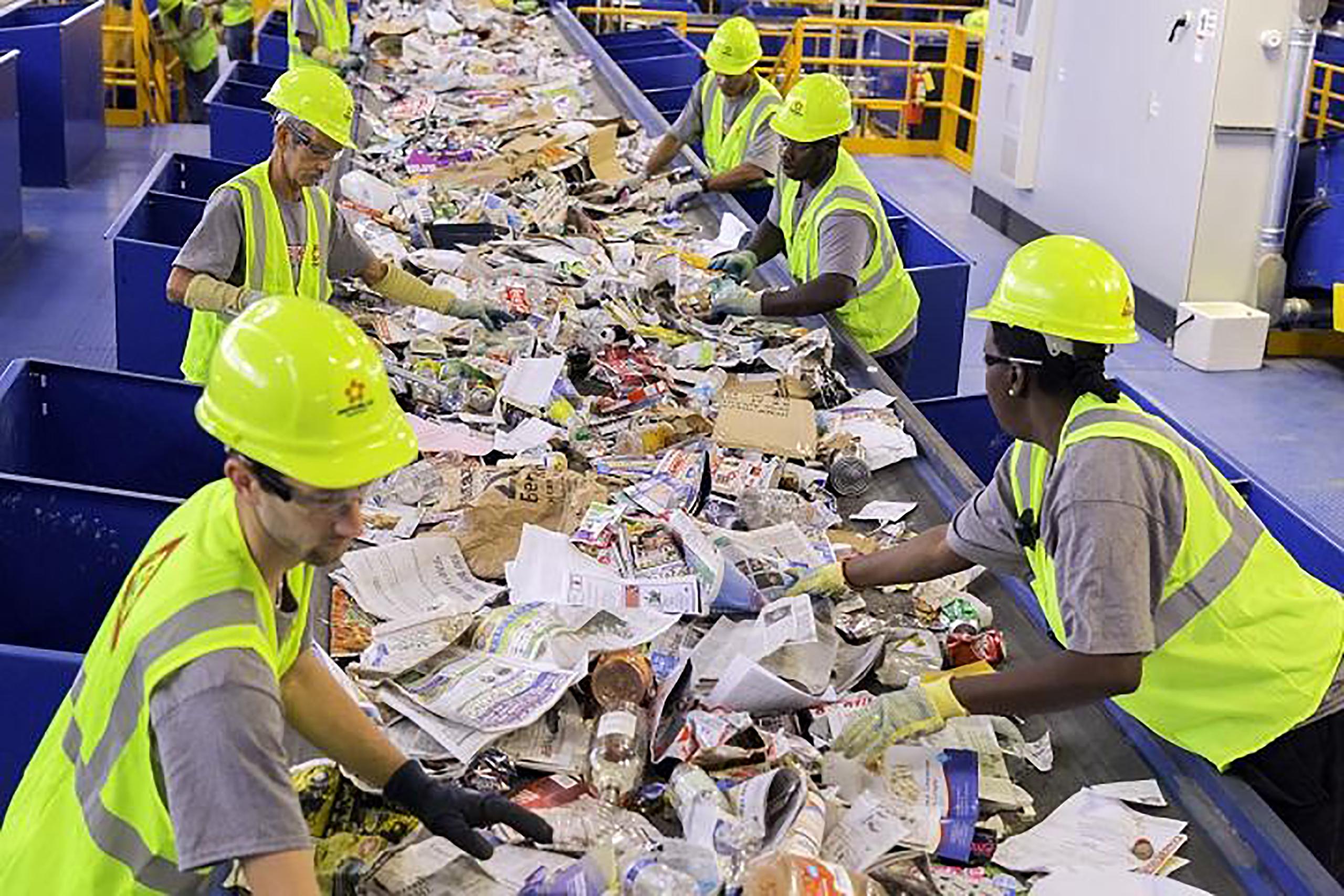
This guide explains common waste-to-product pathways, how to choose a suitable recovery method, and what businesses should verify before investing in a recycling or resource-recovery project.
What Does It Mean to Turn Waste into Useful Products?
A waste stream becomes a useful resource when a recovered item, material, or substance can perform a defined function. That may mean using a repaired component again, feeding recycled material into manufacturing, recovering a chemical intermediate, or producing an approved energy product from suitable residual material.
Collection and processing alone do not prove that a complete recycling loop has been established. The recovered output needs a destination. Manufacturers must be able to accept it, the relevant quality requirements must be met, and the process must manage contamination and residual waste appropriately.
The U.S. Environmental Protection Agency describes recycling as collecting and processing discarded materials into new products. Its overview also emphasizes the role of sorting, manufacturing, and purchasing products made with recycled materials. Read the EPA guide to recycling basics and benefits for more information.
Choose the Recovery Route Before Choosing the Equipment
The most practical starting point is to identify the waste material and the product it could realistically become. A recycling process should be selected to match the material’s properties, contamination, local rules, and intended market.
| Waste material | Potential route | Examples of useful outputs | Main consideration |
|---|---|---|---|
| Reusable products and components | Inspection, repair, cleaning or refurbishment | Functional products or replacement parts | Whether the item can safely meet its original or intended function |
| Paper and cardboard | Pulp recovery and papermaking | Recycled paper, packaging board and molded fiber products | Fiber quality, coatings, adhesives and contamination |
| Glass | Sorting, cleaning and remelting or other approved recovery | New glass products or selected construction applications | Color separation, ceramics, stones and other unwanted materials |
| Ferrous and non-ferrous metals | Sorting, dismantling and metal recovery | Secondary steel, aluminum, copper and other metal inputs | Alloy identity, mixed metals, coatings and material purity |
| Suitable plastic waste | Mechanical recycling or an appropriate chemical recovery route | Recycled resin, plastic products or accepted chemical feedstocks | Polymer type, contamination, product quality and process requirements |
| End-of-life tires | Reuse or retreading where appropriate, mechanical processing or selected thermal conversion | Retreaded tires, rubber-derived materials, recovered steel or process-derived products | Tire condition, target market and the specification of recovered materials |
| Wood and biomass residues | Reuse, composting, material recovery or suitable thermochemical processing | Recovered wood products, compost, biochar or bio-based intermediates | Moisture, contamination, particle characteristics and the intended end use |
| Used oils | Collection, re-refining or other suitable treatment | Recovered base oils or other specified oil products | Oil type, degradation products, additives, contaminants and applicable standards |
These routes are examples, not universal recommendations. The same material can require different processes depending on its composition and condition. Before selecting a recovery method, confirm the product that a downstream customer can accept.
1. Recover Materials That Can Return Directly to Manufacturing
Where a waste stream contains identifiable materials that can be processed into manufacturing inputs, direct material recovery can be an effective route. Metals, glass, paper and suitable plastics are common examples.
The process generally depends on collection, sorting, contaminant removal, preparation and conversion into a material that meets a buyer’s specification. The most important measure is not simply how much material passes through a sorting line, but how much becomes an acceptable output for its next use.
Paper, cardboard and fiber products
Recovered paper and cardboard can provide fiber for new paper, packaging board and molded fiber products. Results depend on the condition of the incoming material and the effects of coatings, adhesives, moisture and other unwanted components.
Fibers may become shorter or less suitable for particular products after repeated processing. A recycling operation must therefore match the recovered fiber quality with the requirements of the intended product rather than assume that every paper grade can return to every original application.
Glass and metals
Glass can be recovered for remelting or selected other applications when the material is appropriately sorted and processed. Metals can be separated, classified by type and returned to metal processing operations.
Purity and consistency matter because unwanted materials can affect manufacturing quality. Metal mixtures may need additional separation, while glass streams may require the removal of ceramics and other contaminants that are unsuitable for the receiving process.
2. Turn Suitable Plastic Waste into Secondary Materials or Chemical Feedstocks
Plastic waste can follow more than one recovery route. The correct method depends on polymer identity, contamination, the quality requirements of the output, and the available processing infrastructure.
Mechanical recycling
Where the incoming plastics can be identified, sorted and cleaned to an appropriate standard, mechanical recycling may produce material suitable for new plastic products. This route should be evaluated before assuming that thermal processing is necessary.
Recycled resin may be used in applications with different requirements for color, strength, appearance and consistency. The intended product determines how much sorting, cleaning and quality control is needed.
Chemical and thermochemical recovery
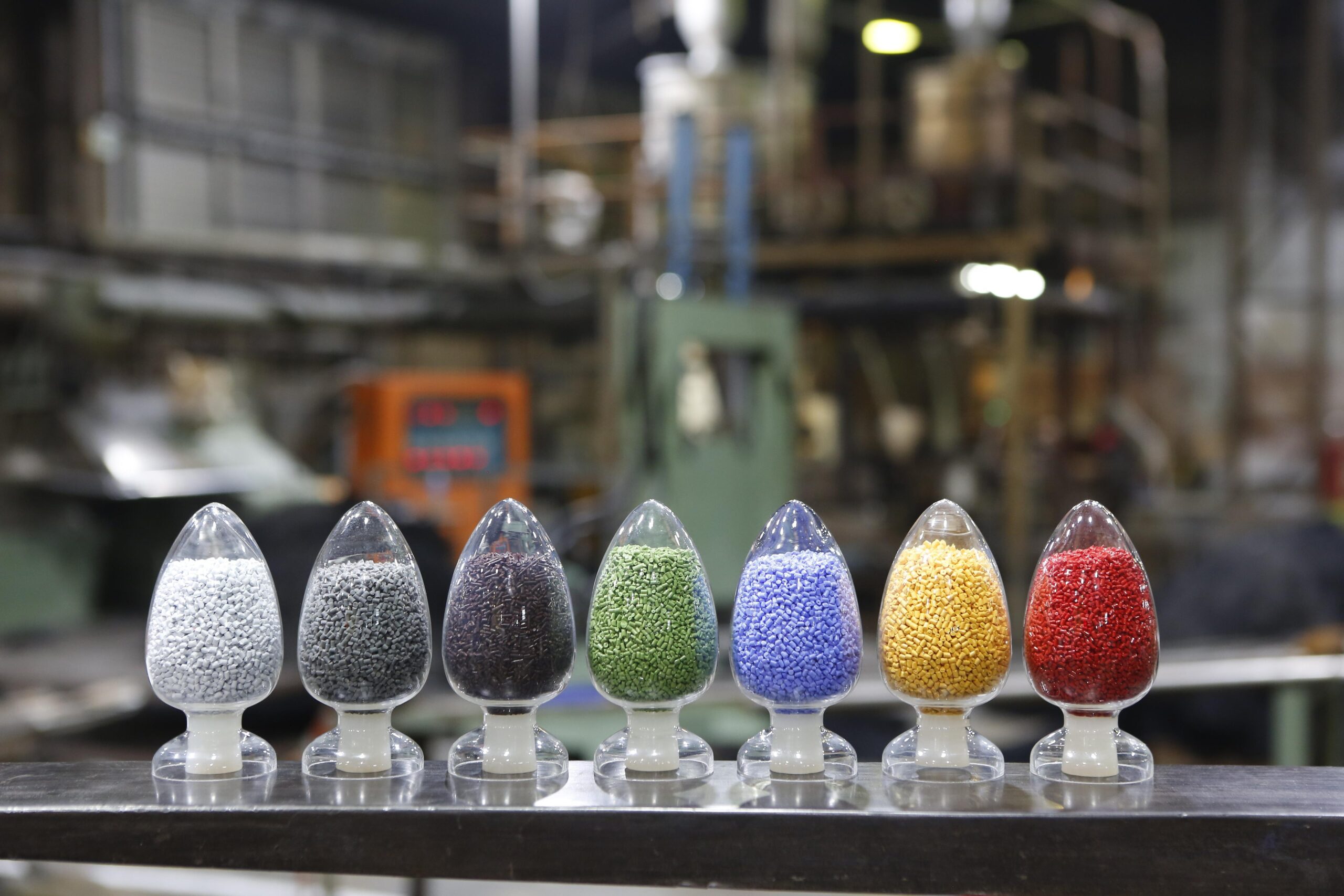
Selected plastic streams may be considered for chemical recycling or other thermochemical processes when the material and downstream system are compatible. These processes can produce intermediates that require further treatment before they can be accepted by a manufacturer.
For example, plastic-derived oil may be considered for a suitable chemical feedstock route, but it should not automatically be treated as a finished polymer raw material or a compliant transport fuel. The receiving plant’s specifications, purification requirements, traceability rules and commercial agreement determine whether the route is practical.
For a feedstock-focused explanation, see Waste Plastic Pyrolysis. For equipment information, visit the plastic pyrolysis plant page.
3. Recover Resources from End-of-Life Tires
Discarded tires contain several materials, including rubber compounds, reinforcing materials, steel and other components. Their recovery route should be selected according to tire condition, material characteristics, local requirements, and the market for the recovered output.
Where a tire is suitable for retreading or reuse, extending its useful life may retain more of its existing function than breaking it down into constituent materials. Tires that cannot be reused may be considered for mechanical rubber recovery or other appropriate treatment routes.
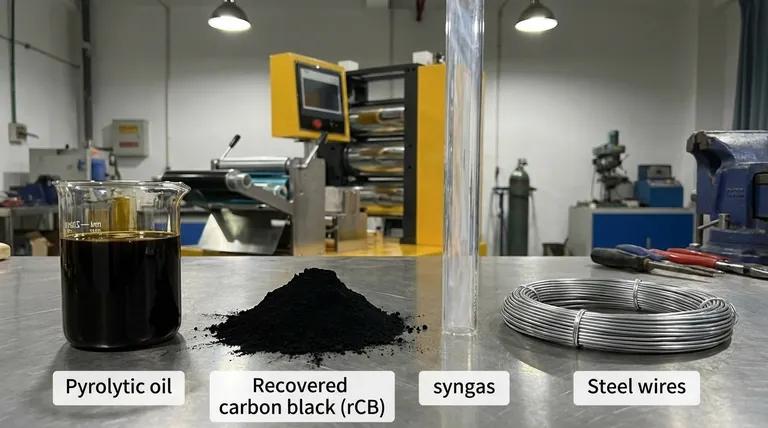
Thermochemical processing is another potential route for selected end-of-life tire streams. Depending on the process, it may produce liquid condensates, a carbon-rich solid, gas and recoverable steel. However, these outputs have different uses and quality requirements; their existence does not establish that every product will be saleable without further processing.
For equipment and feedstock-specific information, see the tyre pyrolysis plant page.
4. Convert Suitable Biomass Residues into Useful Materials
Wood residues and selected agricultural by-products may have several possible recovery routes. Depending on their quality, they may be reused as material, processed into fiber products, composted where suitable, or converted into other products through an appropriate thermochemical process.
For example, some biomass processing systems produce biochar or bio-oil. The characteristics of these materials depend on the original feedstock and the conversion conditions. Biochar intended for soil applications needs to meet relevant quality and safety requirements, while a biomass-derived liquid may require further treatment before it can be used in a particular process.
It is important to distinguish biomass products from products recovered from fossil-derived plastics or tires. They have different sources, properties and environmental implications, so they should not automatically be described as equivalent renewable materials.
Explore the biomass pyrolysis plant page for equipment information, or visit the wood pyrolysis machine page for a more specific biomass processing option.
5. Recover Useful Products from Used Oils
Some used oils can be treated to recover usable oil fractions or base-oil products, but the appropriate route depends on the type of oil, its level of degradation, the additives it contains, and the contaminants introduced during use.
Re-refining and distillation are not interchangeable terms. Distillation separates components according to their volatility, while a complete oil recovery process may require additional treatment to address contaminants and degradation products. The resulting material must meet the applicable specification before it can be sold or reused for a stated purpose.
For equipment information, see the waste oil distillation machine page. The intended feedstock and required output specification should be confirmed before choosing the process configuration.
6. Why the Waste Hierarchy Matters
Not all waste should immediately be sent for material processing or thermal conversion. A responsible recovery strategy compares the available options in the context of the material’s remaining function and the impact of each route.
- Prevent waste where possible. Better design, purchasing and production practices can avoid the need to process some materials later.
- Reuse or repair items that remain functional. Direct reuse can preserve a product’s existing utility without breaking it down into new raw materials.
- Recycle materials into new products. Where practical, recover materials that meet the requirements of another manufacturing process.
- Evaluate other recovery routes for residual streams. Selected materials that cannot be effectively reused or conventionally recycled may be assessed for chemical processing or energy recovery.
- Treat and dispose of remaining waste responsibly. Some materials may be unsuitable for recovery or may require controlled treatment under applicable rules.
The European Union’s waste hierarchy distinguishes prevention, preparation for reuse, recycling, other recovery such as energy recovery, and disposal. Its formal definitions also distinguish recycling from the processing of waste into fuels. These distinctions are important when reporting environmental results or making claims about a project’s recycling performance. See the EUR-Lex explanation of the waste hierarchy.
The appropriate classification for a specific project depends on the applicable legal framework. Businesses should verify local definitions rather than assume that every waste-to-energy or waste-to-fuel process qualifies as material recycling.
How to Tell Whether a Recovered Product Is Truly Useful
A process can produce an output without producing a marketable product. To assess whether the recovery route is practical, the project should establish the output’s intended function, quality requirements and actual route into use.
| Evaluation question | Evidence to look for |
|---|---|
| What will the output replace? | A defined material, component or product that would otherwise be purchased or used. |
| Does it meet an acceptance specification? | Relevant laboratory results, technical specifications, inspection records or buyer approval. |
| Is a real user or buyer available? | A credible target market, documented acceptance requirements, or a suitable offtake arrangement. |
| What additional treatment is needed? | A complete view of sorting, cleaning, separation, upgrading, testing and storage requirements. |
| What happens to rejects and residues? | A defined route for material that does not meet the product specification and for any process residues. |
| Is the complete route economically and environmentally credible? | Realistic operating costs, energy and water requirements, regulatory compliance, and an assessment of the full processing chain. |
These questions help distinguish a technically recoverable material from one that can reliably enter a market. They also prevent a project from relying on theoretical output quantities without accounting for quality losses, additional treatment or rejected products.
Common Mistakes in Waste-to-Product Projects
Choosing a Process Before Identifying the End Product
A process should be selected according to the required output, not simply because it can accept a particular category of waste. Define the product specification and downstream user before finalizing equipment requirements.
Assuming All Outputs Have Commercial Value
A recovered liquid, gas, metal or solid material may require further processing or may not meet the requirements of an available buyer. The project should identify realistic destinations for all major outputs and manage the remaining waste separately.
Treating Theoretical Recovery as Guaranteed Production
Results vary with the incoming material, contaminants, equipment, operating conditions and measurement method. Any yield assumption used in a business plan should state its basis and should be validated for the actual feedstock.
Ignoring Regulation and Environmental Controls
Some waste streams may contain hazardous constituents or be subject to restrictions on processing, transport, storage or final use. A technically possible route is not automatically a permitted route.
How to Evaluate a Waste-Recovery Project
Before investing in a resource-recovery system, prepare a project brief that connects the available waste with a credible output market.
- Document the incoming material. Establish the source, quantity, composition, contamination and expected supply consistency.
- Compare realistic routes. Assess reuse, conventional recycling and other recovery methods that match the material.
- Define the output specification. Obtain the requirements of the intended user or buyer before assuming a product can be sold.
- Build a material balance. Account for saleable products, rejects, process residues, energy and other significant inputs.
- Evaluate total project costs. Include preparation, processing, utilities, testing, maintenance, treatment, transport and compliance.
- Verify the operating and regulatory plan. Confirm that the equipment, environmental controls, permits and product destination are appropriate for the actual project.
For an example involving waste plastic processing equipment, see the waste plastic pyrolysis project in Malaysia. A case study can help explain a specific project’s scope, but its results should not be treated as a guarantee for every feedstock or installation.
For an overview of available processing equipment, browse the PyrolysisUnit product catalog.
Frequently Asked Questions About Recycling Waste into Useful Products
1. What Are Examples of Waste Being Turned into Useful Products?
Examples include recycled paper and packaging from recovered fibers, new glass products from suitable glass waste, secondary metals from scrap, recycled resin from selected plastics, rubber-derived materials from tires, and selected products from biomass or used-oil recovery. The feasible route depends on material properties and the intended end use.
2. Is Pyrolysis the Best Way to Recycle All Types of Waste?
No. Pyrolysis is one option for selected feedstocks. Direct reuse or conventional material recycling may be more suitable for other materials. The appropriate route depends on composition, contamination, output quality, costs, and the applicable environmental and regulatory requirements.
3. Does Producing Fuel from Waste Always Count as Recycling?
Not necessarily. Some legal frameworks distinguish material recycling from energy recovery and the processing of waste into fuels. The correct classification depends on the applicable jurisdiction and the specific process and output.
4. How Can a Business Know Whether a Recovered Product Can Be Sold?
Identify the intended customer and obtain the required technical specification before selecting the process. Product sampling, quality testing, buyer acceptance criteria, additional treatment costs and supply consistency all help determine whether the output has a viable market.
5. What Should Be Considered Before Buying Waste-Recovery Equipment?
Start with a representative waste assessment and the requirements of the planned output. Then compare process options, feed preparation, equipment scope, utilities, environmental controls, operating costs, permits and available product markets. Equipment selection should follow this assessment rather than replace it.
Conclusion
Turning waste into useful products requires more than finding a process that can accept discarded material. The recovery route must fit the material, produce an output that meets a defined specification, and connect that output with a credible end use.
Direct reuse and conventional material recycling remain important options, while selected residual waste streams may justify additional recovery technologies. The most practical choice is the one supported by reliable material information, realistic product requirements, sound environmental controls and a viable route into use.
To explore equipment for selected industrial waste streams, visit the PyrolysisUnit equipment catalog.

Table of Contents How Much Does It Cost to Start
Table of Contents 3 Types of Pyrolysis Furnace Insulation Shells
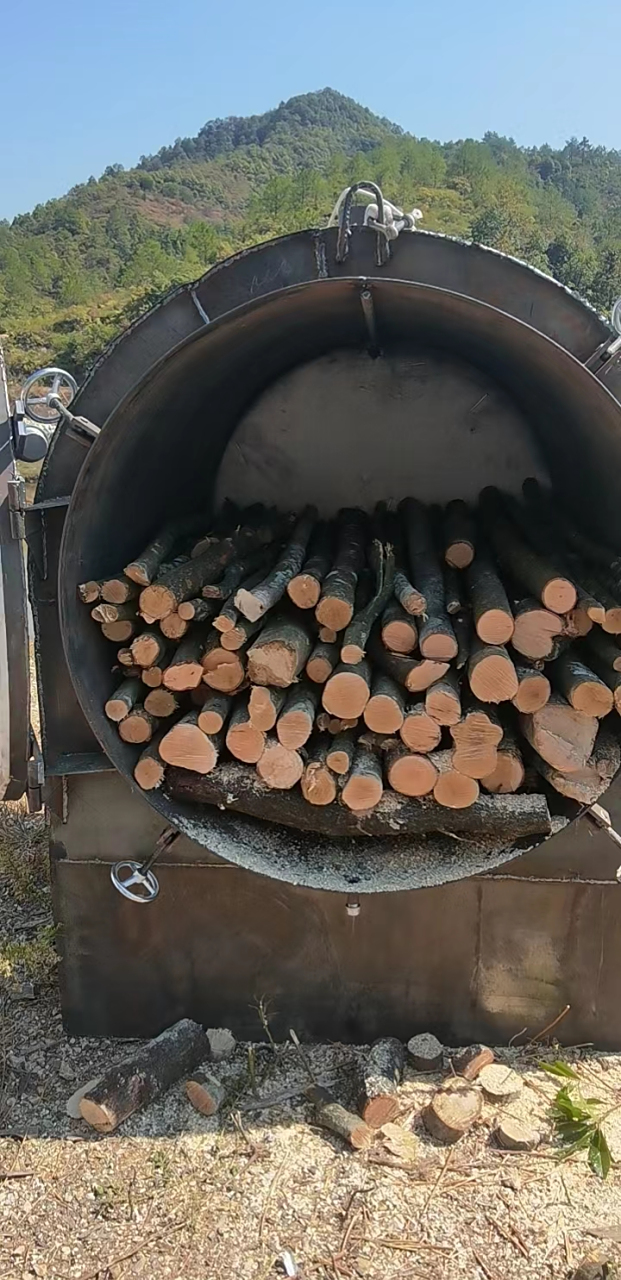
Table of Contents The Charcoal Making Process, Step by Step: