

The pyrolysis process for biochar production converts suitable biomass into a carbon-rich solid by heating it under oxygen-limited conditions. The main objective is not simply to produce black char, but to control its properties so the final material suits its intended use.
Feedstock composition, moisture, heating rate, final temperature, and residence time all influence the result. A process designed for agricultural soil applications may require different operating conditions from one producing carbon material for industrial use.

Step 1: Select and Prepare the Biomass
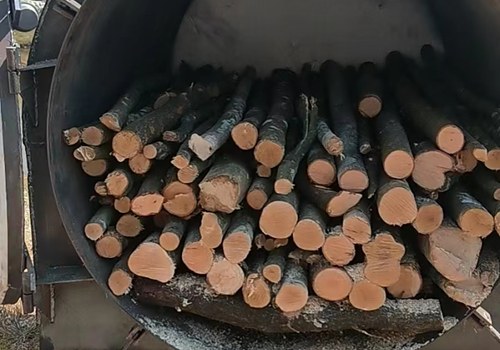
Common feedstocks include clean wood residues, sawdust, rice husks, coconut shells, and other suitable agricultural materials. Their ash content, natural minerals, moisture, and chemical composition can differ significantly.
Check the material before processing. Painted or chemically treated wood, plastic-contaminated biomass, and feedstocks containing unwanted contaminants may make the resulting char unsuitable for certain applications.
Drying and size reduction should match the equipment design. Excess moisture increases the heat required for evaporation, while inconsistent particle size can lead to uneven heating and variable product quality.
Step 2: Control the Pyrolysis Conditions
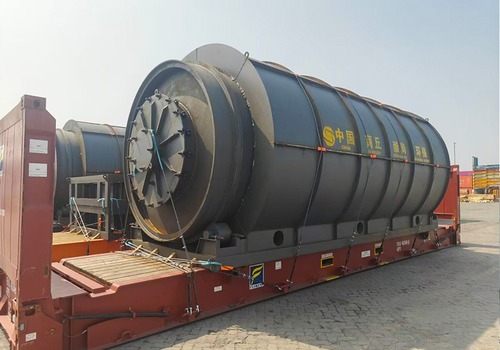
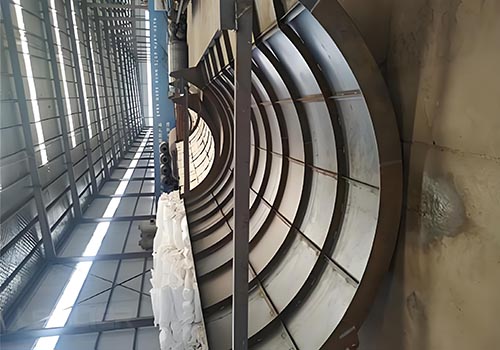
Prepared biomass enters a reactor where heat breaks down its organic structure while oxygen is limited. Operators must control the conditions throughout the material, not rely on the reactor’s temperature reading alone.
Three variables are especially important:
- Final temperature: Higher temperatures often increase fixed-carbon content and change porosity, but may reduce the mass of char recovered.
- Residence time: The material needs sufficient time under the required conditions to achieve the intended degree of conversion.
- Heating rate and feed uniformity: These affect heat transfer, decomposition, and variation between product batches.
There is no universal temperature setting that guarantees the best biochar. Select operating conditions using feedstock tests, equipment capabilities, and the specification required by the end user.
Step 3: Manage Vapors and Process Gas
Biomass pyrolysis produces solid char, condensable vapors, and non-condensable gas. Depending on the system, vapors may be cooled and collected, while combustible gas may be used to support process heating.
The value and treatment requirements of these streams depend on their composition and the available equipment. Do not assume that every condensate is a saleable product or that recovered gas will cover all energy demand.
Drying, reactor heating, cooling, fans, and gas treatment should be included in the project’s energy balance. Appropriate gas handling and emissions controls are also essential parts of the process design.
Step 4: Cool and Discharge the Biochar Safely
Freshly produced char may remain hot enough to ignite when exposed to air. The material should therefore be cooled using a method appropriate to the equipment and operating procedure before it is discharged, transferred, or stored.
Uncontrolled exposure to air can create a fire risk and may change the product through oxidation. Cooling arrangements should also limit dust generation and prevent contamination during storage and handling.
Step 5: Test the Biochar Before Choosing Its Application
Appearance alone cannot establish biochar quality. Testing should be selected according to the intended use and may include:
- Basic properties: moisture, ash, pH, and electrical conductivity.
- Carbon characteristics: total carbon, fixed carbon, volatile matter, and, where relevant, carbon stability.
- Contaminants: metals, polycyclic aromatic hydrocarbons, or other substances relevant to the feedstock and target market.
- Application-specific performance: properties such as porosity, water retention, or adsorption capacity where these are part of the product specification.
Biochar intended for soil application must meet the relevant safety and quality requirements. A material that performs well as an industrial carbon product should not automatically be considered suitable for agricultural use.
What Determines Biochar Yield and Quality?
The amount of biochar recovered and its final properties depend on the starting material and the operating conditions. Results should be calculated on a clearly stated basis, especially when feedstock moisture varies.
For meaningful process evaluation, record the dry feedstock input, finished char output, operating conditions, and other recovered or residual streams. Compare batches using the same measurement method rather than relying on a generic yield percentage.
Similarly, claims about carbon storage or carbon credits require more than the amount of char produced. Feedstock sourcing, process emissions, carbon stability, final use, and the applicable verification methodology can all affect whether a carbon-removal claim is justified.
Choosing Equipment for Biochar Production
The production target should determine the equipment configuration. Feedstock handling, temperature control, cooling, gas management, and the consistency of the final product all matter when comparing systems.
For equipment details, see the biomass pyrolysis plant range. For wood-based feedstocks, review the wood pyrolysis machine page.
Our separate guide to the basics of biomass pyrolysis covers the broader technology, while the charcoal-making process guide explains general carbonization principles.
Frequently Asked Questions
What temperature is best for biochar production?
The appropriate temperature depends on the biomass and desired product properties. Higher temperatures can increase carbonization and change porosity, while lower temperatures may retain more mass in the solid product. Confirm the target through feedstock testing and product requirements.
Can all agricultural waste be converted into biochar?
No. Moisture, ash, chemical composition, contamination, and material-handling characteristics determine whether a feedstock is suitable. Test the material before selecting equipment or promising a particular product quality.
Is biochar always suitable for soil improvement?
No. Suitability depends on the biochar’s properties, contaminant levels, soil conditions, intended application, and applicable standards. Testing is necessary before recommending a material for agricultural use.
Discuss Your Biochar Production Requirements
To evaluate a suitable system, identify your biomass type, moisture content, expected throughput, target biochar properties, and intended application. These details provide a more reliable starting point for equipment selection than a generic yield estimate.
Browse the PyrolysisUnit equipment catalog or contact our team about your biochar production requirements.