

Planning to launch a waste-to-oil pyrolysis business? Get a full breakdown of equipment costs, operating expenses, product yields, permit requirements and realistic ROI calculations for tire, plastic and oil sludge pyrolysis plants.

Mr. Xu, CEO&Engineer ·Technical Director·Engineer
We have accumulated 23 years of experience in the pyrolysis industry, spanning from 2003 to the present.
Mechanical & Oil Engineer PyrolysisUnit Chef Engineer Technical Advisor, China Recycling Association
How much does a pyrolysis reactor cost? There is no single price that applies to every industrial reactor. The cost depends on the reactor’s dimensions, construction materials, operating temperature, working conditions, mechanical design, and the type of waste being processed.
There is also an important difference between purchasing a reactor vessel and purchasing a complete pyrolysis machine. A reactor-only quotation may cover the main chamber and its structural components, while a complete equipment package can include feeding, heating, condensation, gas recovery, and discharge systems.
For industrial buyers, understanding this difference is essential when comparing suppliers. This guide explains what determines pyrolysis reactor manufacturing costs, which specifications matter most, and what information manufacturers need to prepare an accurate quotation.
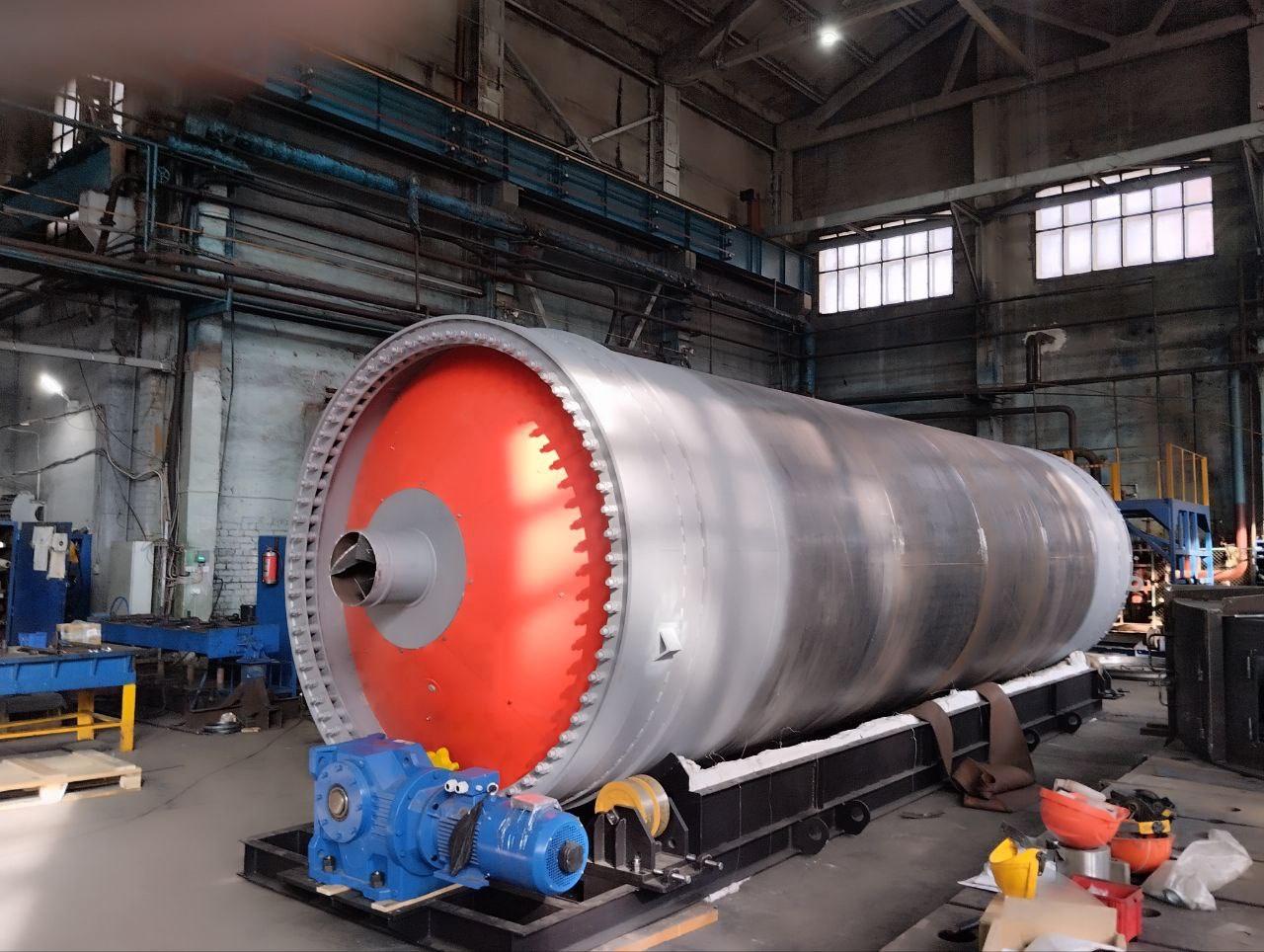
What Is Included in a Pyrolysis Reactor Price?
Before comparing quotations, first establish exactly what the supplier means by a pyrolysis reactor.
In industrial equipment procurement, the word “reactor” can describe several different supply arrangements.
| Quotation Scope | Typical Components | Usually Quoted Separately |
|---|---|---|
| Reactor Vessel | Main cylindrical shell, end sections, internal lining where specified, and process connections. | Drive, heating equipment, feeding, condensation, and discharge systems. |
| Reactor Assembly | Reactor vessel, supporting structure, drive components, sealing arrangement, and specified mechanical accessories. | External heating, full feeding line, condensers, gas treatment, and storage. |
| Reactor Package | Reactor assembly, selected insulation, heating interfaces, instrumentation, and related auxiliary components. | Equipment outside the agreed reactor package boundary. |
| Complete Pyrolysis Plant | Reactor, feeding, heating, vapor handling, condensation, gas recovery, product discharge, controls, and selected environmental systems. | Site construction, major utilities, transportation, and other project-specific services. |
These supply boundaries are not standardized across all manufacturers. One supplier may include the drive system and insulation in a reactor quotation, while another may list them as separate items.
For this reason, the first step is not asking which reactor is cheaper. It is asking what equipment is actually included in the quoted price.
Six Engineering Factors That Determine Pyrolysis Reactor Cost
1. Reactor Dimensions and Structural Weight
The size of the reaction chamber is a major manufacturing cost factor. Larger diameters and longer cylindrical sections generally require more raw material, greater fabrication capacity, and additional structural support.
However, reactor size should not be determined by daily tonnage alone. The required dimensions depend on the actual feedstock and operating conditions.
Important design inputs include:
- Required feedstock throughput and operating hours.
- Bulk density and physical form of the incoming material.
- Expected material loading and internal free volume.
- Solid residence time and material movement.
- Heating arrangement and internal temperature distribution.
- Required space for vapor removal and maintenance access.
For example, a ton of loose biomass occupies a different volume from a ton of rubber powder or dense plastic feedstock. Two projects with the same daily input capacity may therefore require different reactor dimensions.
Buyers should also distinguish between feedstock capacity and finished product output. A quoted processing rate should specify its measurement basis and operating assumptions.
2. Steel Grade, Wall Thickness, and Material Performance
The material specification directly affects reactor manufacturing costs. However, selecting a material simply because it is thicker or more expensive does not guarantee better performance.
Different sections of a reactor may experience different temperatures, mechanical loads, oxidation conditions, and contact with process materials. The appropriate material should match those conditions.
During quotation review, request the following information:
- Main shell material grade and material specification.
- Nominal plate thickness and corrosion allowance where applicable.
- Material specifications for the inner liner and exposed components.
- End section and nozzle construction.
- Welding procedures and material traceability.
- Any special requirements for high-temperature operation.
For example, a tire pyrolysis reactor and a biomass carbonization reactor may require different material arrangements because their feedstock characteristics and internal operating conditions are not identical.
Material selection should account for high-temperature strength, thermal cycling, corrosion exposure, and mechanical wear. Using unnecessarily expensive materials can increase the purchase price without delivering a meaningful operational benefit.
3. Operating Temperature and Thermal Cycling
A reactor designed for repeated high-temperature operation must handle more than the maximum temperature shown on its specification sheet.
Heating and cooling cycles cause thermal expansion and contraction. If the design does not accommodate these movements, components can experience additional stress, distortion, or premature wear.
The manufacturing quotation may therefore change according to:
- Maximum design temperature and normal operating temperature.
- Heating rate and temperature variation during operation.
- Expected frequency of heating and cooling cycles.
- Thermal expansion allowance and support arrangement.
- Insulation and heat-loss requirements.
- Internal materials exposed to high-temperature vapors and solids.
For a rotary reactor, thermal movement also needs to be considered alongside support rollers, alignment, and drive arrangements.
The correct design is not simply the reactor that can withstand the highest temperature. It is the one designed for the project’s actual operating conditions and expected service requirements.
4. Working Pressure, Sealing, and Process Connections
Pyrolysis reactors require controlled operating conditions to limit unwanted air ingress and manage process vapors. Depending on the system design, the reactor may operate at atmospheric pressure, slight negative pressure, or another specified pressure condition.
These differences affect sealing, structural design, process connections, and instrumentation.
Important quotation items include:
- Specified operating and design pressure or vacuum conditions.
- Sealing arrangement around rotating or moving interfaces.
- Feed and discharge connection design.
- Vapor outlet dimensions and connection specifications.
- Thermal expansion compensators where needed.
- Pressure, temperature, and safety instrumentation.
A reliable quote should clearly state the design conditions instead of merely describing the equipment as a sealed or high-pressure reactor.
Pressure vessel standards also need to be considered correctly. Not every pyrolysis reactor automatically falls under the same pressure vessel code. The applicable classification depends on design conditions and local regulatory requirements.
Where applicable, the ASME Boiler and Pressure Vessel Code provides requirements relevant to pressure vessel design, construction, inspection, and testing. Buyers should confirm which standards apply to their particular equipment and installation location.
5. Mechanical Structure and Internal Components
The reactor shell is only one part of the manufacturing scope. Mechanical assemblies can contribute significantly to the total reactor quotation.
Depending on the design, the equipment may require:
- Support rollers and bearing assemblies.
- Gear rings, motors, reducers, and drive systems.
- Internal flights or material movement components.
- Rotating seals and compensators.
- Reinforced support frames and base structures.
- Access covers and inspection openings.
For example, a rotating reactor requires suitable alignment, drive torque, support, and sealing arrangements. These components need to be evaluated as an integrated mechanical system rather than priced as unrelated accessories.
The main point for buyers is to identify which mechanical components are included in the reactor assembly and which are supplied separately with the rest of the plant.
6. Fabrication Quality, Inspection, and Manufacturing Documentation
Two reactors with similar dimensions and material grades can still have different manufacturing costs because their fabrication requirements are not necessarily the same.
Industrial manufacturing involves more than cutting and welding steel plates. Depending on the engineering specification, the manufacturer may need to provide:
- Material certificates and traceability records.
- Approved welding procedures and qualified welders where required.
- Dimensional inspection and alignment checks.
- Specified non-destructive examination of welds.
- Pressure or leak testing where appropriate to the design.
- Rotating assembly inspection and operational checks.
- Manufacturing drawings and equipment documentation.
These requirements should be defined before manufacturing begins. The appropriate inspection and testing scope depends on the reactor’s classification, design, and the requirements agreed with the purchaser.
A lower quotation may reflect a different inspection scope or fewer documentation requirements. Buyers should identify those differences before comparing prices.
How Does Feedstock Type Affect Reactor Manufacturing Cost?
The type of material processed can change the reactor’s internal construction, mechanical components, and sealing arrangements. This is why a reactor designed for waste tires should not automatically be priced or configured like one designed for plastics or biomass.
| Feedstock | Reactor Design Considerations | Potential Manufacturing Cost Factors |
|---|---|---|
| Waste Tires | Heavy rubber material, steel wire inclusion, solid residue handling, and material discharge. | Structural reinforcement, loading interfaces, wear protection, and discharge arrangements. |
| Waste Plastics | Melting behavior, material flow, wax formation, and vapor handling. | Suitable internal geometry, feeding arrangements, temperature monitoring, and cleanout access. |
| Rubber Powder | Consistent powder feeding, material movement, and residue removal. | Feeding seals, screw systems, dust control, and rotating components where required. |
| Biomass | Moisture, particle size, bulk density, ash, and possible deposits. | Feeding configuration, material movement, and wear-resistant components where appropriate. |
Tire processing: The reactor and discharge system must account for the physical characteristics of rubber and the handling of steel-containing residues. Feed preparation and metal separation may also affect the required mechanical arrangement.
Plastic processing: Molten plastics can behave differently from dry solid materials. The feeding and internal flow arrangement must be suitable for the selected polymer mixture and operating conditions.
Biomass processing: Low bulk density and variable moisture can influence reactor volume and the material feeding arrangement. Some biomass types also contain mineral matter that affects residue handling.
These are design considerations rather than fixed rules. The actual configuration should be based on representative feedstock data and the intended operating conditions.
What a Reactor-Only Quotation Should Include
When requesting a price, ask the manufacturer to separate the main reactor and mechanical assembly from the auxiliary equipment supplied with the complete pyrolysis plant.
| Quotation Item | What Should Be Specified |
|---|---|
| Main Reactor Shell | Dimensions, material grade, thickness, and fabrication scope. |
| Internal Liner or Components | Material, thickness, arrangement, and replacement requirements. |
| Support and Drive | Frame, rollers, gear ring, motor, reducer, and mounting arrangement where applicable. |
| Sealing System | Seal type, materials, connection details, and maintenance access. |
| Insulation | Whether insulation is integrated, supplied separately, or excluded. |
| Process Connections | Feed inlet, discharge outlet, vapor outlet, and other specified interfaces. |
| Inspection and Testing | Material documents, weld inspection, leak testing, and other agreed checks. |
| Packaging and Delivery | Dimensions, shipping weight, export packaging, and delivery terms. |
External feeding conveyors, heating furnaces, condensers, oil tanks, gas recycling systems, emission treatment equipment, and complete plant controls should be listed separately unless they are specifically included in the reactor package.
This makes it possible to compare reactor quotations on a consistent basis.
Why Published Pyrolysis Reactor Prices Can Be Misleading
Many online price guides provide a single price range for reactors based on daily processing capacity. Such figures can be useful as very rough market indicators, but they are not reliable enough for final industrial equipment procurement.
Consider two quotations both describing a 20-ton-per-day reactor system.
The first supplier may be quoting a basic reactor assembly with limited mechanical accessories. The second may include the rotating structure, drive system, seals, insulation, feeding interfaces, and additional inspection requirements.
Even though both suppliers use the same capacity description, they are not offering the same equipment.
Another important issue is whether the quoted capacity refers to:
- Wet or dry feedstock input.
- Nominal design capacity or demonstrated operating throughput.
- Daily operating capacity or per-batch input.
- The reactor itself or the complete production system.
For these reasons, a generic price range should never replace an itemized engineering quotation.
PyrolysisUnit’s reactor and equipment pages provide model-specific technical information, but a standalone reactor price should be requested according to the actual dimensions, material specification, design conditions, and required supply scope rather than estimated from a complete plant’s advertised price.
A Real Industrial Example: What Reactor Specifications Tell You About Cost
Published equipment parameters can help buyers understand why two systems with similar daily capacities may have different manufacturing requirements.
For example, PyrolysisUnit’s published 30-ton-per-day continuous tire pyrolysis system lists the following specifications:
| Parameter | Published Specification |
|---|---|
| Feedstock Processing Capacity | 30 tons per day |
| Structure Type | Horizontal rotation |
| Working Pressure | Slight negative pressure |
| Main Unit Rotation Speed | 0.8–1.0 rpm |
| Pyrolysis Reactor Drive Power | 15 kW |
| Main Unit Weight | 40 tons |
| Total System Power | 55 kW |
These figures describe one specific integrated system. The main unit weight should not be interpreted as the weight of the reactor shell alone, and total system power should not be confused with reactor drive power.
The example demonstrates why daily processing capacity alone is not enough to determine a reactor’s price. Structural weight, operating conditions, mechanical components, and the full equipment configuration all matter.
See the 30-ton-per-day continuous tyre pyrolysis plant for its published equipment specifications.
How to Request an Accurate Pyrolysis Reactor Quotation
A detailed inquiry helps the engineering team avoid quoting an unsuitable standard configuration.
Before contacting a manufacturer, prepare the following information:
- Feedstock: Specify whether the reactor will process waste tires, plastic, rubber powder, biomass, or another material.
- Processing capacity: Provide the required hourly or daily feedstock input and expected operating schedule.
- Material characteristics: Include moisture, particle size, bulk density, contamination, and other available test data.
- Operating conditions: State the intended temperature, working pressure or vacuum conditions, and process requirements.
- Reactor configuration: Specify whether you require a replacement vessel, reactor assembly, or a reactor integrated into a new plant.
- Material requirements: Identify any specified steel grades, thickness requirements, corrosion considerations, or applicable construction codes.
- Supply scope: Clarify whether the offer should include support structures, drive systems, seals, insulation, and process connections.
- Project location: Provide the country and site information so delivery and applicable inspection requirements can be evaluated.
When possible, attach a process-flow diagram or a drawing of the existing equipment. For replacement projects, photographs, original equipment dimensions, and maintenance records can also help confirm compatibility.
Related Pyrolysis Reactor Systems and Equipment
The reactor configuration should be selected according to the actual feedstock, processing target, and operating requirements. The following pages provide further technical information about PyrolysisUnit’s equipment range.
For general reactor designs and engineering selection: Visit the Pyrolysis Reactor systems page.
For batch processing: Review the batch pyrolysis plant and its equipment arrangement.
For larger continuous tire processing: Explore the continuous tyre pyrolysis plant.
For a full equipment overview: Browse the pyrolysis machine product range.
For more details about the cost of the complete machine rather than its reactor assembly, see How Much Does a Pyrolysis Machine Cost?.
Frequently Asked Questions About Pyrolysis Reactor Prices
How Much Does a Pyrolysis Reactor Cost?
There is no universal price for an industrial pyrolysis reactor. The final quotation depends on its dimensions, material specification, operating conditions, mechanical configuration, fabrication requirements, and included accessories. A standalone vessel should also be priced separately from a complete reactor assembly or pyrolysis plant.
Is a Pyrolysis Reactor More Expensive Than a Standard Industrial Steel Vessel?
It can be, depending on the design. A pyrolysis reactor may require high-temperature materials, specific sealing arrangements, thermal expansion considerations, rotating components, and specialized process connections. The actual difference depends on the operating conditions and construction requirements.
Does a Larger Pyrolysis Reactor Always Cost More?
Not necessarily in every quotation comparison, although larger reactors generally require more structural material and heavier supporting equipment. Feedstock properties, material specifications, fabrication complexity, and included accessories also affect the final cost.
Does Reactor Material Affect Its Service Life?
Yes. The selected material influences high-temperature performance, oxidation resistance, corrosion behavior, and mechanical durability. However, service life also depends on operating conditions, fabrication quality, maintenance, and the chemical properties of the feedstock.
Is a Reactor-Only Price the Same as a Complete Pyrolysis Machine Price?
No. A reactor-only quotation may cover the main vessel and specified mechanical components. A complete pyrolysis machine can additionally include feeding, heating, condensation, gas recovery, product discharge, controls, and environmental systems. Buyers should compare quotations with clearly defined supply boundaries.
Does Pyrolysis Reactor Design Need to Follow ASME Standards?
Not every pyrolysis reactor automatically falls under ASME pressure vessel requirements. The applicable design and inspection standards depend on its pressure classification, operating conditions, jurisdiction, and project specifications. The required code should be confirmed during engineering review rather than assumed for every reactor.
What Information Is Needed for a Reactor Price Quotation?
Manufacturers generally need the feedstock type, processing capacity, operating schedule, design temperature, pressure or vacuum conditions, reactor dimensions or expected configuration, material requirements, and supply scope. Providing this information helps produce a more accurate quotation.
Get a Reactor Quotation Based on Your Engineering Requirements
A pyrolysis reactor is a long-term industrial component, so its purchase price should be evaluated alongside the construction specification, operating conditions, maintenance requirements, and compatibility with the rest of the processing line.
Rather than choosing a reactor based on a generic price range, define the required dimensions, feedstock, material specification, and supply boundary first. This provides a much clearer basis for comparing manufacturers and avoiding unexpected costs.
PyrolysisUnit provides reactor configurations for different industrial waste processing applications. Share your feedstock, processing capacity, operating conditions, and project location to discuss a suitable reactor design and obtain a project-specific quotation.

Planning to launch a waste-to-oil pyrolysis business? Get a full
Refractory cement cast, ceramic fiber module, or blanket flat-lay —
If you’re looking at pyrolysis machines for the first time,