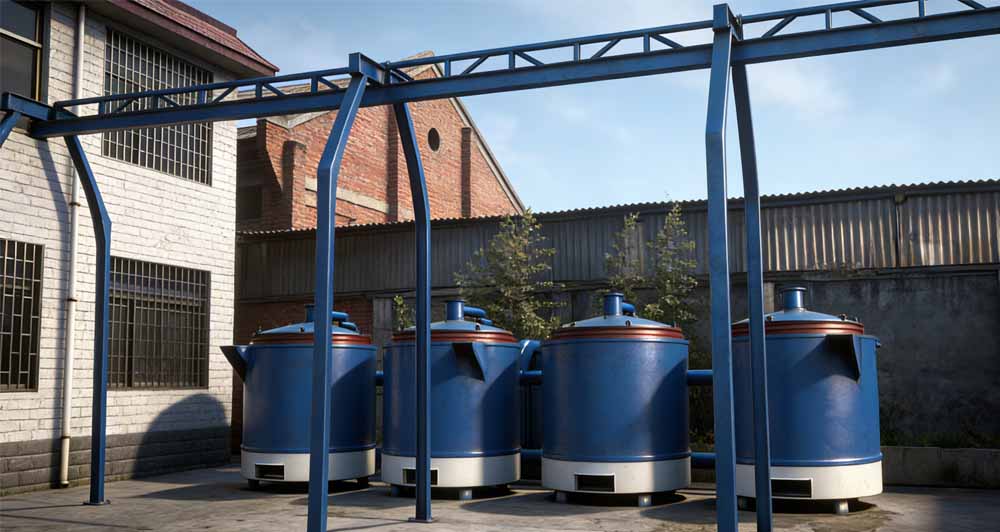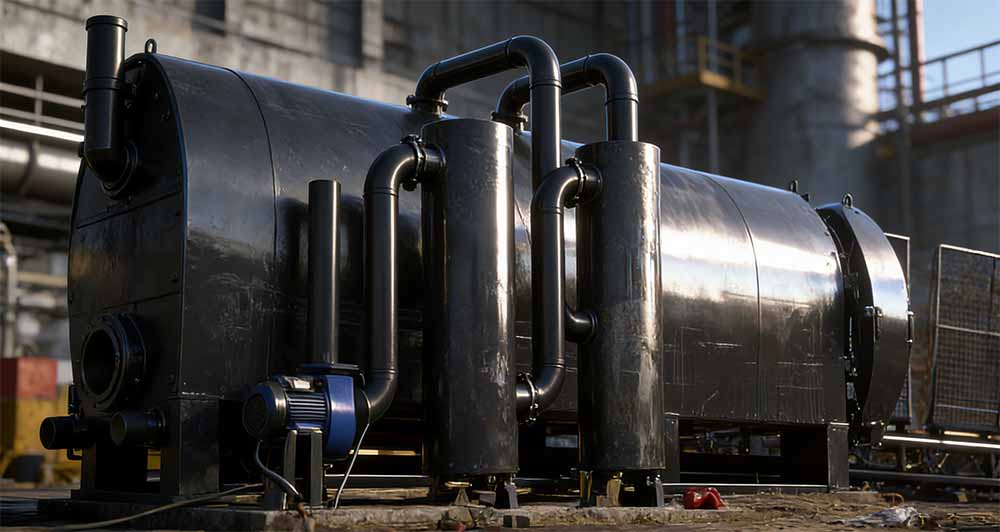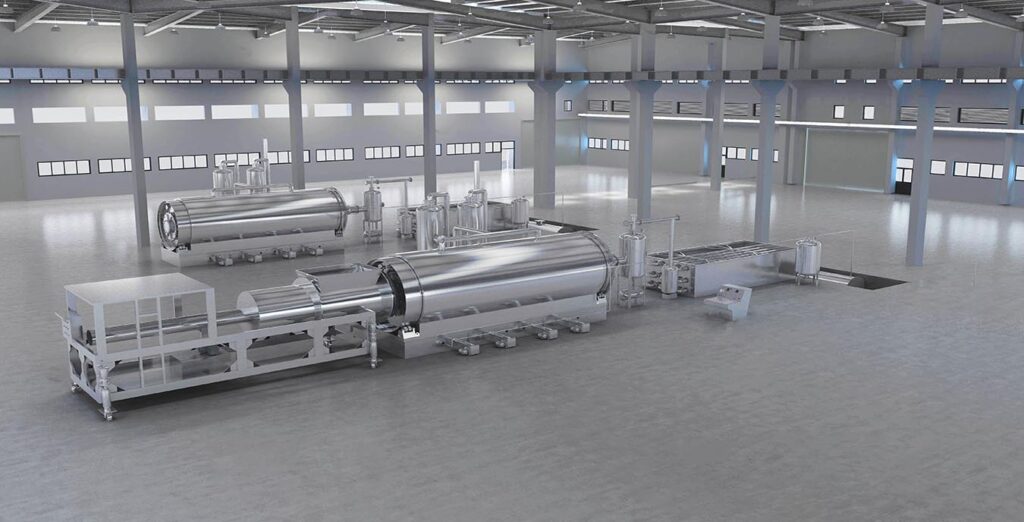

100 kg – 1 T/Day | 20–25% Charcoal Yield | Syngas Self-Heating | Automated Carbonization
For those wondering “Can rice husk make charcoal?”, “Is it worth making charcoal from rice husk?”, or “Is there a market for rice husk charcoal?”, the answer is a definite yes. Rice husk, a common agricultural by-product, is not only feasible for charcoal production but also an ideal raw material with significant economic and environmental value. The key reasons lie in its inherent characteristics and market potential, as detailed below:
1. Rice Husk Is an Abundant and Low-Cost Waste
Rice husk is a natural by-product of the rice milling process—for every 1 ton of rice produced, about 200–250 kg of rice husk is generated. As a global staple food, rice cultivation is widespread, making rice husk an extremely abundant raw material. Most rice mills and farms regard rice husk as waste and are willing to give it away for free or sell it at an ultra-low price (usually $15–$30 per ton) to reduce disposal pressure. This abundant supply and near-zero cost advantage greatly lowers the threshold for charcoal production and improves profit margins.
2. Rice Husk Disposal Is a Pressing Environmental Problem
Traditional rice husk disposal methods (open burning, landfilling) pose serious environmental risks: open burning releases large amounts of harmful gases and particulate matter, polluting the air; landfilling occupies valuable land resources and may leach harmful substances into soil and groundwater. Converting rice husk into charcoal not only solves the environmental problem of rice husk disposal but also realizes the “waste-to-resource” transformation, which is in line with global environmental protection and sustainable development trends.
3. Rice Husk Charcoal Has Stable and Diverse Market Demand
Rice husk charcoal has unique physical and chemical properties (light weight, good adsorption, high porosity) that make it widely used in multiple fields, ensuring a stable market demand:
- Fuel: It is a clean and efficient biomass fuel, suitable for industrial boilers, small-scale heating, and rural cooking—its low ash content and stable combustion performance are favored by users.
- Soil Improvement: As a soil amendment, rice husk charcoal can improve soil aeration and water retention, adjust soil pH, and promote plant growth, which is popular in agricultural and horticultural fields.
- Filtration: Its developed pore structure gives it strong adsorption capacity, making it an ideal filter material for wastewater treatment, drinking water purification, and air filtration in industrial and environmental protection projects.
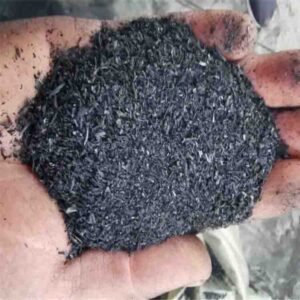
A rice husk charcoal making machine is an industrial-grade carbonization system engineered to convert rice husk—an agricultural byproduct from rice milling—into high-value charcoal through a controlled pyrolysis process in an oxygen-free environment. Unlike traditional kiln methods, these machines employ advanced reactor designs and automated control systems to achieve consistent, high-yield charcoal production at industrial scale.
Input: Rice husk (and compatible biomass feedstocks such as sawdust, coconut shells, and agricultural residues)
Output: Biochar (primary product) + Syngas (secondary energy product) + Tar and wood vinegar (optional by-products)
Purpose: Transform low-cost agricultural waste into a marketable carbon product with multiple industrial and agricultural applications
How the System Works
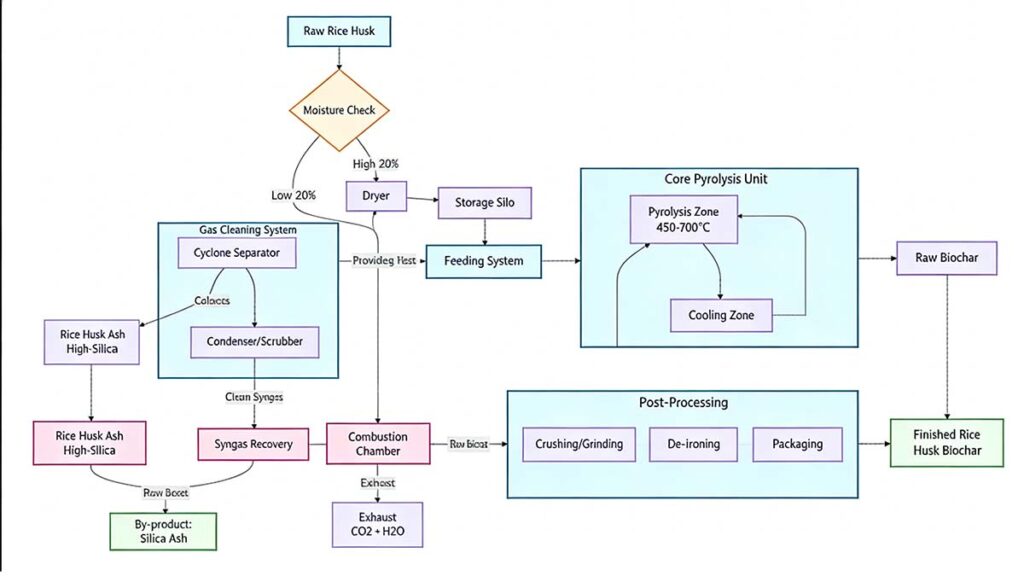
The rice husk charcoal making machine operates through a multi-stage thermal decomposition process. Raw rice husks are fed into the machine where they undergo drying, pyrolysis, and cooling in sequence. The heart of the system is the carbonization furnace—typically a dual-cylinder rotary reactor made from high-temperature-resistant stainless steel. The inner cylinder pre-dries the biomass material, while the outer cylinder maintains temperatures between 400°C and 600°C in an anaerobic (oxygen-free) environment, triggering the chemical decomposition of rice husk molecules.
During this pyrolysis stage, the rice husk undergoes complex thermal reactions that break down cellulose, hemicellulose, and lignin components. This process generates three distinct products: solid biochar (the primary charcoal output), combustible gases known as syngas (consisting primarily of carbon monoxide, hydrogen, and methane), and condensable vapors that become tar and wood vinegar. Modern machines incorporate automated cooling systems—either water-based or air-cooled—to rapidly cool the biochar and prevent spontaneous combustion, ensuring product stability and safety.
What distinguishes advanced carbonization machines from traditional methods is the energy recovery loop. The syngas produced during pyrolysis is captured, purified through dust removal and cooling systems, and then recycled back into the furnace as the primary heating fuel. This self-sustaining energy cycle significantly reduces or eliminates the need for external fuel sources like coal, natural gas, or diesel, resulting in 5–10% improvements in thermal efficiency and substantially lower operational costs.
Technical Architecture & Key Components
A complete rice husk charcoal making machine system comprises several integrated subsystems:
Reactor Design: The dual-cylinder rotary kiln represents the most efficient architecture for large-scale production. The system rotates slowly (1.5–2.5 RPM) to ensure uniform heat distribution and complete carbonization of the biomass. Processing capacity typically ranges from 100 kg/h for small-scale units to over 5,000 kg/h for industrial operations, with a throughput of approximately 4–22 m³ per hour depending on reactor size.
Feeding & Preparation System: The machine requires feedstock with a particle size below 20 mm and moisture content below 15%. For wetter biomass, an integrated or standalone drying system reduces moisture content to optimal levels, improving carbonization efficiency and product quality.
Flue Gas Purification System: Exhaust gases from the pyrolysis reaction are processed through a series of filters and spray-cooling chambers. This system removes particulates, dust, and tar compounds, producing clean syngas suitable for reuse as fuel while preventing environmental pollution.
Condensation & Separation System: Non-condensable gases are separated from volatile organic compounds (bio-oil). The syngas can be stored and reused; the liquid fraction (tar and wood vinegar) can be collected as valuable co-products or combusted for additional heat.
Cooling System: High-capacity cooling systems manage the rapid temperature reduction of finished biochar. Water-recycling cooling systems are common in smaller installations, while larger industrial systems employ industrial chillers or air cooling systems to maintain continuous production without operational interruptions.
Control System: Modern machines use PLC (Programmable Logic Controller) or DCS (Distributed Control System) automation to monitor and adjust critical parameters in real time—including furnace temperature, pressure, feed rate, and rotation speed. This level of control ensures consistent product quality and safe, stable operation throughout extended production runs.
Input Material Specifications
Rice husk charcoal machines are specifically designed to process rice husk but demonstrate strong material adaptability to other agricultural and forestry biomass. Acceptable feedstocks include sawdust, wood chips, coconut shells, palm shells, bagasse (sugarcane residue), corn cobs, straw, and similar lignocellulosic materials. The machine’s flexibility allows operators to adjust production parameters according to feedstock type, maximizing yield and charcoal quality regardless of raw material source.
Critical input requirements include:
Particle size: ≤ 20–30 mm (smaller particles improve contact with heat and decompose more quickly)
Moisture content: ≤ 15% dry basis (higher moisture requires pre-drying; excess water wastes energy)
Bulk density: Preferably uniform to ensure consistent feeding and carbonization
Output Products & Commercial Value
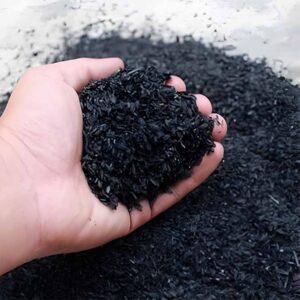
Primary Output—Biochar/Charcoal: The solid residue recovered from pyrolysis contains 25–35% carbon yield by weight, with total carbon content reaching up to 54.9% depending on pyrolysis temperature and residence time. Rice husk biochar exhibits a fixed carbon content of 41–55% (dry basis) and develops a porous structure beneficial for multiple applications. The machine produces charcoal with residual volatile matter between 10–25%, controllable through temperature regulation.pubs.acs+2
Secondary Outputs—Syngas & By-Products: Syngas generated during carbonization contains 50–70% combustible content and serves dual purposes: it provides the thermal energy to sustain the pyrolysis process (achieving energy self-sufficiency) and can be sold separately for power generation, heating, or chemical synthesis in industrial applications. Condensed tar and wood vinegar represent additional revenue streams, used in pharmaceutical, cosmetic, and agricultural industries as natural additives and soil conditioners.
Applications & Economic Benefits
The biochar produced by rice husk charcoal making machines commands value across multiple industries:
Agriculture & Soil Enhancement: Biochar improves soil structure, increases water retention capacity, reduces fertilizer requirements, and can boost crop yields by 5–20%. It acts as a carbon sink, supporting carbon sequestration programs and carbon credit monetization.
Industrial Applications: In metallurgy and steelmaking, carbonized rice husk serves as a thermal insulator for molten steel, reducing energy consumption and improving casting quality. In water and air treatment, biochar activated through additional processing becomes a premium adsorbent for removing contaminants.
Energy Generation: Syngas recovered during the process fuels internal heating systems or is sold to nearby facilities for cogeneration and distributed heating, creating additional revenue and energy security.
Economic Returns: The raw material—rice husk—is abundant and inexpensive or free as a mill byproduct. After carbonization, the biochar commands market prices ranging from $448 to $1,900 USD per tonne (depending on quality specifications and market conditions), making carbonization a high-margin business opportunity.
Operational Advantages Over Traditional Methods
Modern rice husk charcoal making machines offer substantial advantages compared to conventional earth kilns or drum kilns:
Automation & Safety: PLC control systems eliminate guesswork, ensure consistent product quality, and provide real-time monitoring for operator safety and compliance
Energy Efficiency: Internal syngas recycling reduces external fuel costs by 50–80% compared to traditional methods
Environmental Compliance: Closed-loop flue gas purification eliminates smoke and emissions, meeting strict environmental standards
Production Capacity & Throughput: Continuous operations allow 24/7 production with zero-emission and stable output, far exceeding the intermittent, labor-intensive output of traditional batch kilns
Cost Per Unit: Reduced labor requirement, lower fuel consumption, and higher conversion efficiency result in lower per-unit production costs