

Table of Contents How Much Does It Cost to Start
Vehicles need lube oil to run. Over time, that oil gets dirty and must be changed. Every year about 8 billion gallons of used lube oil are produced worldwide. If people simply throw this oil away, it can cause serious pollution. Old engine oil often contains metal particles, dirt, and chemicals.
For example, used lube oil can pick up hazardous substances like lead, cadmium, and benzene. Dumping it can contaminate soil and waterways and harm plants, fish, and animals. Even a small amount of oil can pollute a large area – for instance, recycling just one gallon of lube oil can prevent the release of about 22,000 mg of toxic pollutants.
Recycling used engine oil turns this problem into a benefit. With the right equipment, more than 90% of waste lube oil can be turned back into diesel fuel. This means most of it can be reused instead of wasted.
For example, a specialized distillation machine can clean dirty lube oil and produce diesel that is nearly as bright and pure as new fuel. Just filtering or centrifuging old oil can clean it a bit, but not enough to make new fuel. Distillation and pyrolysis do the full job of converting the lube oil into clean fuel.
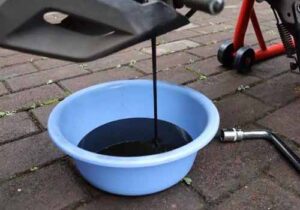
A newer method for recycling used engine oil is pyrolysis. Pyrolysis is a high-heat treatment done without any oxygen. Without oxygen, the oil doesn’t catch fire. Instead, it breaks apart into simpler substances. You can think of it like heating the oil in a sealed pressure cooker. As the oil gets very hot, it converts into a mixture of gases and liquids, plus a bit of solid residue.
In a pyrolysis plant, the reactor is a sealed vessel. The used oil (and sometimes additional waste like old tires or plastic) is fed in, and the reactor is closed off from air. Heat is applied (often by burning some of the syngas produced or an external fuel) until the oil cracks.
For example, scientists at Cambridge University showed that by using microwaves in a special reactor, they converted nearly 90% of a sample of waste oil into fuel. While microwave methods are experimental, many modern pyrolysis systems simply use a burner powered by part of the gas produced.
Pyrolysis machines can handle very dirty or thick oil that might clog other systems. They are built to break down waste like old tires, plastic, and oil sludge into simpler, useful parts. Under heat, these materials decompose into liquid fuel, gas, and solids. One account notes that pyrolysis plants recover valuable fuel oil and carbon black from waste. The end result is that most of the input becomes something useful.
Another benefit is waste reduction. Heating waste oil this way greatly shrinks its volume. Because most of the oil turns into liquid or gas, there is very little solid residue. For example, pyrolysis can cut the waste volume by as much as 90% compared to throwing the oil away. This means if you start with 100 units of waste oil, you end up with only about 10 units of leftover solid – the rest has become fuel.
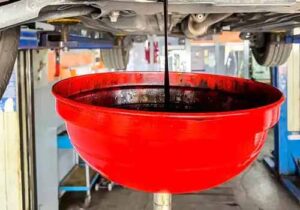
Pyrolysis recycling systems have many practical advantages:
High fuel yield: They can convert over 85% of the waste oil into usable fuel. This high recovery means very little oil is left over as waste.
Automated operation: These systems often have computerized controls. Many include touch-screen panels and automatic cleaning cycles. For example, one design has an internal cleaning system and runs on programmable controls, so an operator can set it and let it run with minimal oversight.
Plug-and-play design: Many pyrolysis units are built to be easy to install and run. Some come on movable frames or trailers. You typically just connect power (electric or fuel) and feed in the oil, and the machine does the rest. This makes them suitable even for smaller shops or farms
Flexible heating: The reactor can be heated by different fuels – common options include propane, diesel, natural gas, or even wood or coal. This flexibility lets operators use whatever heat source is cheapest or availab
Minimal emissions and waste: Because the process is enclosed, there is almost no smoke or odor released. Pyrolysis is much cleaner than simply burning waste oil in the open. And since nearly all of the oil is converted, very little residue is left behind
Durable construction: These machines are made of thick steel and often have heat-resistant linings, so they last for many years. They usually require little maintenance.
Economic return: Over time, these machines often pay for themselves. By producing fuel from waste, you save money on buying new fuel. Plus, by-products like carbon black or excess fuel can be sold for extra revenue. Many users find that the initial investment is recovered in a few years through these savings.
Because of these features, pyrolysis machines are very user-friendly. They often come with full instructions and support, so even operators without specialized training can run them safely. For safety, most systems include pressure relief valves and automatic shutoff controls.
If the reactor overheats or pressure builds up too much, these safety features activate. This makes accidents very rare, so modern pyrolysis and distillation units are considered safe and reliable to operate. It’s basically as simple as pouring in waste oil and taking out fuel.
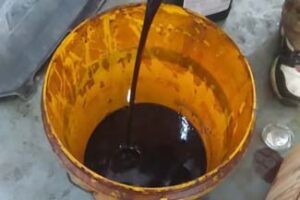
Recycling used engine oil by distillation or pyrolysis has many environmental and economic benefits:
Reduced pollution: Recycling just one gallon of used oil prevents the release of thousands of milligrams of toxins. Converting waste oil into fuel keeps pollutants out of the air and water.
Large waste reduction: Since most of the oil becomes fuel, the volume of waste needing disposal is cut by about 90%. This means far fewer containers of waste to handle.
Conserves resources: The fuel made from waste oil replaces new petroleum products. This means we use less crude oil overall, saving resources and reducing emissions from fuel production.
Cost savings: Using recycled fuel can cut expenses greatly. For example, one case showed that processing 1,000 liters of waste oil per month saved about $2,500 each month in fuel costs. Over a year, that could be $30,000 saved.
Avoiding fines and fees: Improperly disposing of oil can lead to very heavy fines (tens or hundreds of thousands of dollars). By recycling oil on-site, businesses avoid these penalties and also reduce disposal fees.
Economic gain: Selling recycled fuel and byproducts creates revenue. Communities with good oil recycling programs have saved millions in waste management costs.
Scalable savings: Even small amounts add up. Recycling just 100 liters of oil per week (about 25 gallons) can save around $400–$500 per month on fuel. A larger operation recycling 10,000 liters per month could save over $10,000 monthly.
In summary, recycling waste motor oil turns a toxic waste stream into resources and savings. It protects the environment and helps businesses’ bottom line.

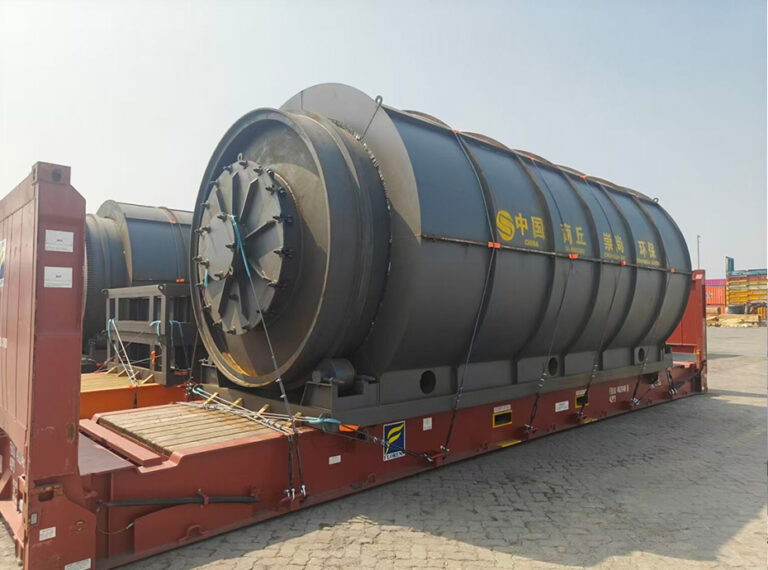
Table of Contents How Much Does It Cost to Start
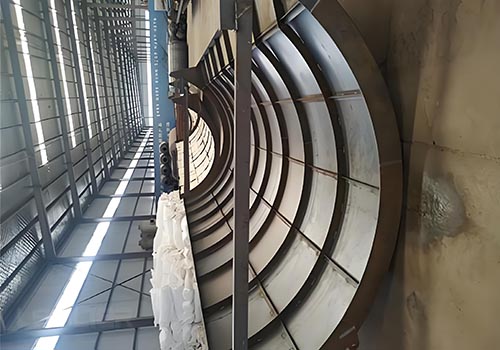
Table of Contents 3 Types of Pyrolysis Furnace Insulation Shells
Table of Contents The Charcoal Making Process, Step by Step: