What Is a Pyrolysis Machine? What Raw Materials Can Be Recycled by a Pyrolysis Machine?
By an industry expert with 20 years in waste-to-energy technology | Last updated: June 2026
The Problem Most Waste Business Owners Face
You have a growing pile of waste tires, scrap plastic, or oil sludge sitting on your property. Landfill fees are climbing. Open burning is illegal. And you keep hearing that some businesses are actually making money from this waste.
That last part is true. And a pyrolysis machine is often the reason why.
I’ve spent two decades studying and working with pyrolysis technology, and the most common question I get from business owners is a simple one: “What exactly is a pyrolysis machine, and can it handle my type of waste?” This guide answers both of those questions in plain terms — no engineering degree needed.
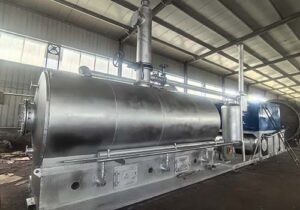
What Is a Pyrolysis Machine?
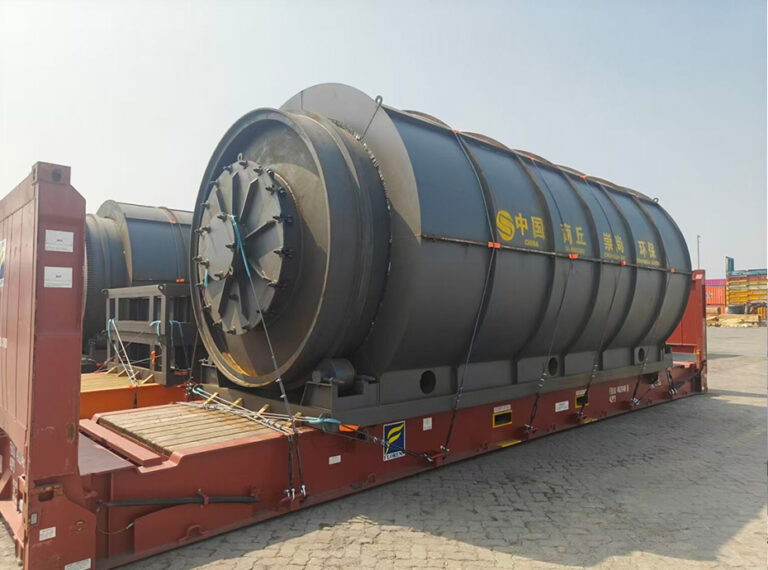
A pyrolysis machine is a piece of industrial recycling equipment that converts waste materials into useful products by heating them to high temperatures — typically between 300°C and 800°C — in a sealed, oxygen-free environment.
The word pyrolysis comes from the Greek words for “fire” (pyro) and “loosening” (lysis). In practice, it means breaking down large, complex molecules in waste into smaller, simpler ones using heat alone, without burning. Because there is no oxygen in the reactor, the material does not catch fire — it decomposes into gas, liquid, and solid outputs instead.
Think of it like this: when you roast coffee beans, the beans don’t catch fire, but they do change chemically because of the heat. Pyrolysis works on a similar principle, applied to industrial waste at much higher temperatures.
According to data published by Beston Group, over 400 million tonnes of plastic waste are produced globally each year, and only about 9% of it gets recycled. Meanwhile, roughly 1 billion tires reach the end of their useful life annually, with less than half being recycled. Pyrolysis offers one of the most practical ways to close that gap — and generate revenue in the process.
How Does a Pyrolysis Machine Work? A Step-by-Step Look
The process inside a pyrolysis machine follows five main stages:
Stage | What Happens |
1. Feeding | Waste materials (tires, plastic, oil sludge, etc.) are loaded into the reactor, either manually or by an automated feeder. |
2. Pyrolysis | The reactor is heated to the target temperature. The waste breaks down into oil vapor, gas, and solid residue. |
3. Condensation | Oil vapor travels through a cooling system and condenses into liquid pyrolysis fuel oil, which collects in storage tanks. |
4. Gas Purification | Non-condensable gas (syngas) is cleaned and routed back to the reactor as a heating fuel, reducing external energy costs. |
5. Discharging | Solid residues — primarily carbon black or biochar — are discharged through a sealed unloading system after the process is complete. |
One detail worth noting: the temperature and processing time vary depending on the type of waste you feed in. Waste tires, for example, typically require temperatures between 300°C and 450°C, while some plastics need higher heat to break down fully. Setting the wrong temperature is one of the most common operator errors — I’ll cover that in the risk section below.
Key Components of a Pyrolysis Machine
A well-built pyrolysis machine is made up of six core systems, each with a specific job:
Component | Purpose |
Pre-treatment System | Shredders, grinders, or dryers that prepare feedstock before it enters the reactor. |
Feeding System | Delivers material into the reactor at a controlled rate. Options include manual, semi-auto, and fully continuous feeding. |
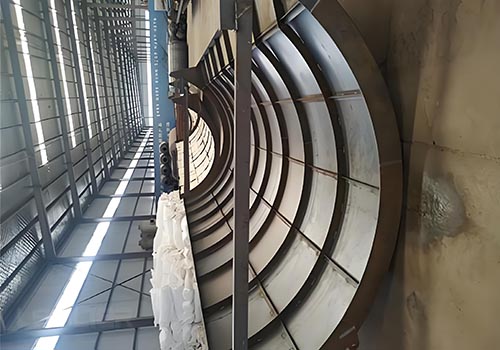
Reactor Chamber | The sealed vessel where thermal decomposition actually occurs. Reactor walls are typically 14–22mm thick boiler steel or stainless steel. |
Condensation System | A multi-stage cooling unit that turns oil vapor into liquid fuel. Higher-quality condensers improve oil yield. |
Gas Purification System | Removes sulfur, nitrogen oxides, particulate matter, and volatile organic compounds from exhaust gases before discharge. |
Residue Discharge System | Removes carbon black, steel wire, or biochar from the reactor at the end of each cycle. |
The reactor is the heart of the system. Reactor material matters — Q345R boiler steel is common and has a lifespan of roughly 2–3 years, while 304 or 310S stainless steel reactors last 5–10 years depending on operating conditions. This distinction has a real impact on your total cost of ownership over time.
What Raw Materials Can a Pyrolysis Machine Recycle?
This is the question most business owners care about most. The short answer is: a wide range of organic-based waste. Here is a breakdown of the most common feedstocks, along with what you can expect to get out of each one.
1. Waste Tires
Old car, truck, motorcycle, and heavy-equipment tires are among the most widely processed materials in pyrolysis. They contain a high percentage of hydrocarbons, which means they produce a strong yield of fuel oil.
Typical outputs from waste tire pyrolysis:
- Pyrolysis oil: 35–52%
- Carbon black: 30–35%
- Steel wire: 8–15%
- Syngas: 8–15%
The oil can be used directly as industrial fuel in boilers or furnaces. The carbon black has real market value in the rubber, paint, and coatings industries. Steel wire is sold to scrap metal processors.
2. Waste Plastics
Plastics are one of the highest-value feedstocks for pyrolysis because many types produce a very high oil yield. The following plastic types are commonly accepted:
- HDPE and LDPE (polyethylene)
- PP (polypropylene)
- PS (polystyrene)
- ABS
- Mixed plastic film and bags
Typical oil yields from plastic pyrolysis:
- PP, PE, PS: 70–95%
- Mixed plastics: 40–70%
- ABS: roughly 40%
One important note: plastics containing chlorine (like PVC) or significant oxygen content are not suitable for standard pyrolysis without additional treatment. Processing PVC without the right equipment generates hydrochloric acid gas, which corrodes the reactor and creates compliance problems.
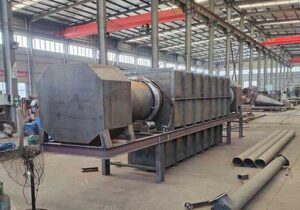
3. Oil Sludge
Oil sludge is a hazardous byproduct from petroleum refining, oil drilling operations, and shipyard maintenance. It contains a mix of water, soil, and recoverable hydrocarbons. Roughly 100 million tons of oil sludge are generated globally each year, according to Beston Group.
Pyrolysis treats oil sludge through a thermal desorption process, separating the oil from water and inert solids. The recovered oil can be used as industrial fuel or further refined. This is especially relevant for companies in the oil and gas sector looking to reduce their hazardous waste disposal costs and recover value from what would otherwise be a liability.
4. Other Rubber Products
Beyond tires, pyrolysis machines can handle rubber conveyor belts, rubber gloves, rubber shoe soles, and similar products. These generate similar outputs to tire pyrolysis, though steel content will vary by material.
5. Biomass and Agricultural Residues
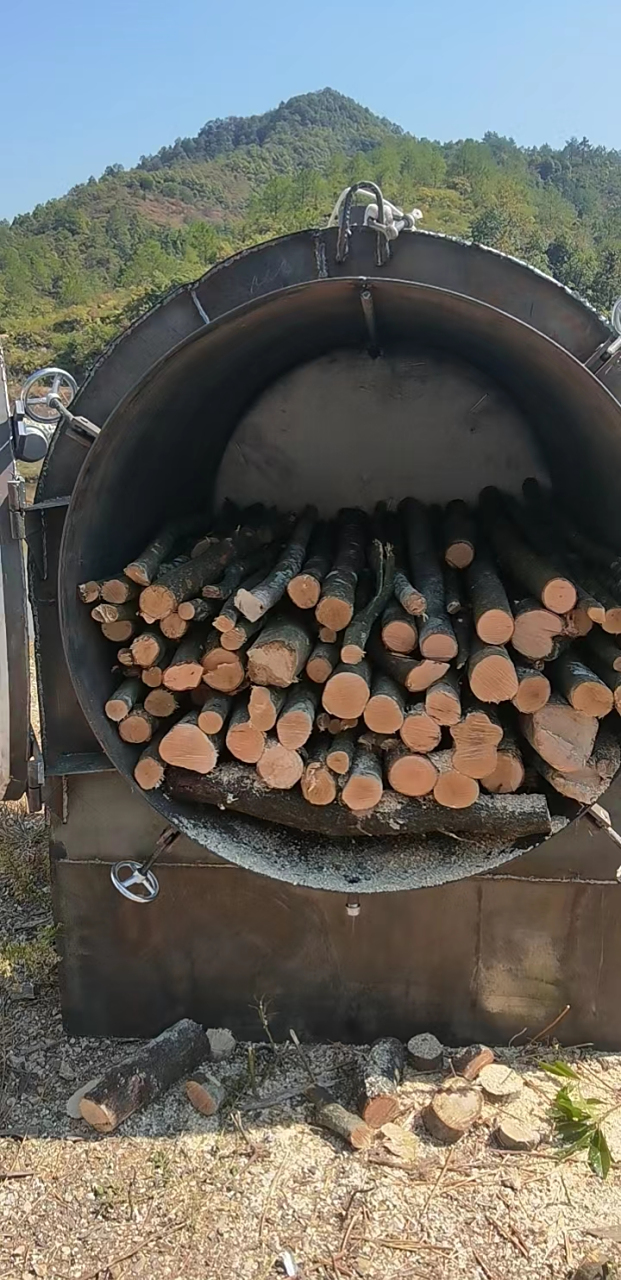
Some pyrolysis machines — particularly continuous rotary kiln systems — are specifically designed for biomass feedstocks such as:
- Wood chips and sawdust
- Rice husks
- Coconut shells
- Straw and crop residues
- Coffee husks
Biomass pyrolysis produces biochar rather than fuel oil as its primary solid output. Biochar is increasingly valued for soil improvement, carbon sequestration, and carbon credit markets. A BST-50S biomass pyrolysis unit, for example, can produce around 6,000 tons of biochar per year and has been certified by international carbon registries including Puro.earth and Isometric.
What Does a Pyrolysis Machine Produce? Output Summary
Raw Material | Primary Output | Secondary Output | Tertiary Output |
Waste Tires | Fuel Oil (35–52%) | Carbon Black (30–35%) | Steel Wire (8–15%) |
Waste Plastics (PE/PP/PS) | Fuel Oil (70–95%) | Solid Residues | — |
Mixed Plastics | Fuel Oil (40–70%) | Solid Residues | — |
Oil Sludge | Recovered Oil (varies) | Sand/Soil | Water |
Biomass | Biochar (30%) | Syngas (56%) | — |
All pyrolysis processes also produce syngas — a combustible gas made up mainly of methane, ethylene, and propylene. In most systems, this gas is recycled back into the reactor as a fuel source, which significantly lowers the cost of external heating. This self-sustaining fuel loop is one of the reasons pyrolysis can be economically attractive compared to other waste treatment options.
Types of Pyrolysis Machines: Which One Is Right for You?
Pyrolysis equipment comes in four main configurations. Your choice depends on your daily processing volume, budget, and the type of waste you handle.
Type | Capacity Range | Best For | Key Trade-off |
Batch | 1–18 tons/day | Small-to-mid operations, mixed waste | Downtime between batches |
Semi-Continuous | 10–20 tons/day | Granular or shredded waste like pellets or rubber crumb | Needs pre-shredded input |
Fully Continuous | 15–50+ tons/day | Large-scale industrial operations | Higher upfront investment |
Mobile/Skid-Mounted | 100 kg–2 tons/batch | Pilot testing, research, remote sites | Limited volume capacity |
For most first-time investors, a batch-type machine in the 10–15 ton/day range offers the most manageable entry point. It gives you operational flexibility, lower initial capital outlay, and room to learn before scaling.
Real-World Application: What Does the Numbers Look Like?
Here is a simplified daily cost-and-income model for a 10-ton-per-day waste tire pyrolysis operation, based on industry reference figures:
Item | Amount |
Daily Costs | |
Raw material (waste tires) | ~$300 |
Electricity | ~$30 |
Heating fuel (recycled tire oil) | ~$200 |
Labor (3 workers) | ~$150 |
Total Daily Cost | ~$680 |
Daily Income | |
Fuel oil (approx. 4 tons) | ~$2,000 |
Carbon black (approx. 3 tons) | ~$150 |
Steel wire (approx. 1.5 tons) | ~$323 |
Total Daily Income | ~$2,473 |
Daily Profit (approx.) | ~$1,793 |
These figures are illustrative, not a guarantee. Actual results depend heavily on local market prices for pyrolysis oil and carbon black, feedstock cost, labor rates, and equipment depreciation.
Real Customer Feedback
From a business owner in South Asia operating a 12-ton/day batch tire pyrolysis plant:
“We started with one batch machine and processed mostly truck tires from local fleet operators. Within eight months, we had enough confidence in the system to add a second reactor. The carbon black market in our region is strong — that product alone offsets about 15% of our daily operating cost.”
From a waste management contractor in Eastern Europe running a plastic pyrolysis line:
“The learning curve with plastic sorting was steeper than I expected. If you don’t pre-screen your plastic well, your oil yield drops significantly. Once we set up a basic pre-sorting step, our oil output increased by almost 20%.”
Common Operational Mistakes to Avoid
Before you invest, I want you to be aware of the mistakes I see most often. These are real risks that can affect your output quality, equipment lifespan, and compliance standing.
- Skipping pre-treatment of feedstockFeeding whole, uncleaned, or moisture-heavy material directly into the reactor reduces oil yield and can cause uneven heating. Always pre-dry and pre-size your material to the specifications your machine is designed for.
- Processing incompatible materialsPVC plastic, chlorinated rubber, and certain e-waste items release harmful gases during pyrolysis. Unless your system is specifically configured to handle these materials with appropriate scrubbing technology, do not process them.
- Setting incorrect pyrolysis temperaturesDifferent feedstocks require different temperature profiles. Running too hot wastes energy and can crack the oil into lower-value light fractions. Running too cool leaves unprocessed residue in the reactor. Always follow the temperature profile recommended for your specific feedstock.
- Neglecting the gas purification systemSome operators reduce maintenance on the desulfurization and dust removal systems to cut costs. This is short-sighted. Emissions violations carry heavy penalties in most jurisdictions, and clogged scrubbers degrade gas quality and can accelerate corrosion in your equipment.
- Ignoring reactor lining wearReactor chamber walls and door seals wear over time, especially with abrasive or high-ash feedstocks. Schedule regular inspections and replace worn components before you have an unplanned shutdown.
Q&A: Your Most Common Questions Answered
Q: Is a pyrolysis machine the same as an incinerator? A: No. An incinerator burns waste in the presence of oxygen, which produces heat and ash. A pyrolysis machine heats waste in an oxygen-free environment, which produces useful products like oil and carbon black. Pyrolysis generally has a lower emissions profile than incineration and produces more recoverable value.
Q: Can one pyrolysis machine handle multiple types of waste? A: Many batch-type machines can process different feedstocks on different days. However, you should not mix different waste types in the same batch unless the machine is specifically designed for it. Cross-contamination can lower output quality and create unexpected chemical reactions.
Q: How long does it take to see a return on investment? A: This varies widely based on machine capacity, feedstock cost, and local output prices. A well-run 10-ton/day tire pyrolysis operation in a market with reasonable oil prices can often recover its initial investment within 12–24 months. I recommend asking suppliers for case studies from operators in your region before committing.
Q: What certifications or permits do I need to operate a pyrolysis machine? A: Requirements differ significantly by country. In the EU, for example, operators typically need waste treatment permits, and emissions must meet EU industrial emission standards. In other regions, local environmental protection bureaus set the rules. Always consult a local regulatory expert before purchasing.
Q: What is the difference between pyrolysis oil and diesel? A: Pyrolysis oil is a raw liquid fuel with a calorific value close to conventional heavy fuel oil — typically 42,000–46,000 kJ/kg. It can be used directly in industrial boilers and generators. With further distillation, it can be upgraded into a non-standard diesel-like fuel. It is not the same as standard diesel without additional refining.
Q: How much space does a pyrolysis plant require? A: A mid-sized batch machine (around 10–16 tons per day) typically needs a land footprint of roughly 33m × 13m × 8m. Larger continuous systems or multi-reactor setups require proportionally more space. Factor in room for feedstock storage, product storage, and vehicle access.
Final Thoughts
A pyrolysis machine is not a plug-and-play solution. It works best for business owners who understand their feedstock supply chain, have realistic expectations about output pricing, and are prepared to invest in proper training and compliance from the start.
That said, when it is set up and operated correctly, it is one of the most versatile tools available for turning low-value or negative-value waste into something the market actually wants to buy. If you are considering this investment, I’d recommend starting with a site visit to an operating plant that handles the same type of waste you plan to process. Seeing the machine in action — and talking directly to the operator — will tell you more than any brochure.
For further reading on pyrolysis technology, the International Biochar Initiative (IBI) at biochar-international.org maintains peer-reviewed resources on biochar production and quality standards. The European Tyre & Rubber Manufacturers’ Association (ETRMA) publishes annual data on end-of-life tire volumes and recycling rates.