
Sewage sludge pyrolysis is a thermal treatment process that converts pretreated wastewater-treatment sludge into a solid residue, condensable vapors, and non-condensable gas under oxygen-limited or oxygen-free conditions. Its suitability depends on more than the reactor itself. Sludge moisture, mineral content, chemical contaminants, feeding behavior, heat demand, and the intended use of the final products all influence the process design.
For oily sludge and oily waste treatment specifically, PyrolysisUnit manufactures a dedicated oil sludge pyrolysis plant designed for high-impurity feedstock.
For wastewater treatment plants and industrial project developers, the first question is not simply whether sludge can be pyrolyzed. It is whether the specific sludge stream can be prepared, treated, and managed in a technically and environmentally acceptable way. This guide explains the stages of sewage sludge pyrolysis, the feedstock data needed before equipment selection, and the checks required before considering any recovered material suitable for reuse.
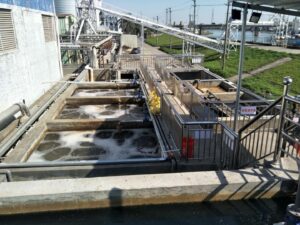
What Makes Sewage Sludge Different from Other Pyrolysis Feedstocks?
Sewage sludge is not a uniform fuel or a conventional carbon-rich waste. Its composition reflects the wastewater sources, treatment processes, chemical additions, and solids-separation methods used at the facility. Two plants can generate sludge streams with substantially different properties, even when their daily tonnages are similar.
Three characteristics are particularly important when evaluating a pyrolysis process.
1. Moisture and Dry-Solids Content
Sludge can contain substantial amounts of water after mechanical dewatering. Water carried into a thermal process must be heated and may need to be evaporated before the required reaction conditions can be maintained. The amount of water removed during pretreatment therefore affects dryer selection, heat integration, operating stability, and the amount of material that can reach the reactor.
A capacity figure expressed in tons of wet sludge per day cannot be compared directly with one expressed in tons of dried sludge per day. Always establish the moisture content and the basis on which the supplier states the processing capacity.
2. Mineral Matter and Ash Content
Sewage sludge can contain mineral particles, metal compounds, phosphorus-bearing substances, and other inorganic constituents. Unlike much of the organic matter, these minerals do not simply disappear during pyrolysis. They can remain in the solid residue and become more concentrated as organic material is converted into vapors and gases.
This changes how sludge-derived char should be interpreted. A high solid-residue yield does not necessarily mean that a process has produced a high proportion of useful carbon. The residue may contain substantial mineral matter, and its potential applications depend on measured composition and product requirements.
3. Variable Chemical Composition
Municipal sludge may receive inputs from households, businesses, and industrial dischargers. As a result, its composition can vary over time. Metals, nutrients, salts, sulfur- and nitrogen-containing compounds, and organic micropollutants may affect the treatment process, the recovered materials, or the downstream gas-treatment requirements.
For this reason, a representative feedstock analysis is more useful than relying on a generic statement that a pyrolysis machine can process sewage sludge. Where material sources vary, evaluate whether several samples or a longer sampling period are needed to describe normal and worst-case conditions.
How Does the Sewage Sludge Pyrolysis Process Work?
A practical sewage sludge pyrolysis project should be assessed as an integrated treatment train. The reactor is only one part of the system; upstream preparation and downstream product handling determine whether the complete process can operate reliably.
- Feedstock sampling and characterization.
Collect representative samples and establish moisture, total solids, ash, organic content, and relevant chemical contaminants. Use the results to set the design basis and identify additional testing requirements. - Mechanical dewatering.
Where necessary, remove free water using an appropriate separation method before thermal drying. The achievable solids content depends on the sludge and the dewatering equipment. - Thermal drying and feed preparation.
Reduce residual moisture to the level required by the selected process. Confirm the dryer outlet condition, conveying properties, and feeding requirements rather than assuming that every sludge stream needs the same moisture target. - Controlled thermal conversion.
Feed the prepared material into a reactor designed for the required throughput, heating profile, residence time, and solids-handling conditions. The operating parameters should be selected for the actual feed and intended product specifications. - Vapor condensation and gas handling.
Separate condensable material from non-condensable gas using suitable equipment. The design should account for potential deposits, condensate characteristics, gas composition, and the treatment required before any reuse or discharge. - Char cooling, storage, and testing.
Cool and collect the solid residue under appropriate process conditions. Characterize it before determining whether it can be used, further processed, recovered for particular constituents, or sent for controlled disposal.
The complete layout may also require dust collection, exhaust treatment, wastewater management, monitoring instruments, and safeguards for hot equipment and combustible gas. These requirements should be defined by the process design and site-specific environmental and safety assessment.
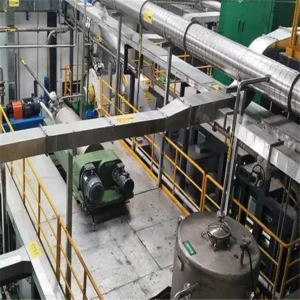
Why Sludge Drying Can Determine Process Feasibility
Drying is often one of the most important design issues in sewage sludge pyrolysis because incoming sludge may carry a large water load. A project can appear technically straightforward when evaluated on a dry-feed basis but require a much more substantial preparation system when the actual incoming material is wet.
The basic relationship is:
Dry-solids throughput = Wet-sludge throughput × Total-solids fraction
For example, the same wet-sludge throughput can represent very different quantities of actual solids when two streams have different moisture contents. The amount of water that must be removed before thermal conversion should therefore be calculated from measured inlet conditions and the required outlet moisture.
Before choosing a dryer or reactor, verify the following:
- Seasonal and day-to-day changes in incoming sludge moisture.
- The achievable solids content after existing mechanical dewatering.
- The target feed condition required by the proposed reactor.
- The heat required for water removal and temperature control.
- Whether recovered process heat can be used effectively for drying.
- How dryer exhaust, odors, dust, and any treatment residues will be managed.
Heat recovery can reduce external energy demand, but it does not automatically make the installation energy self-sufficient. That conclusion requires a complete energy balance covering drying, the reactor, gas treatment, pumps, fans, cooling, and other auxiliary equipment under defined operating conditions.
For a general explanation of thermal conversion principles, see our guide to what pyrolysis is and how it works. This sewage-sludge-specific assessment focuses on the extra preparation and residue-management demands that generic pyrolysis descriptions may not address.
What Happens to Contaminants During Sewage Sludge Pyrolysis?
Contaminant management is a central design requirement, not a secondary benefit that can be assumed after the reactor has been selected. Pyrolysis changes the chemical and physical form of the feedstock, but it does not destroy inorganic elements such as metals. Depending on the contaminant and process conditions, substances may remain in the solid residue, move into condensable material, or enter the gas-treatment system.
| Material or Contaminant Group | What Needs to Be Evaluated |
|---|---|
| Heavy metals and other inorganic elements | Concentration in the char, chemical form, potential leaching, and any transfer to vapors or collected treatment streams. |
| Nitrogen- and sulfur-containing compounds | Potential gas-phase products, odor and corrosion concerns, and any gas-cleaning requirements determined by feed composition. |
| Chlorine-containing salts and compounds | Whether feed constituents could contribute to corrosive or acid-gas species and what material or emission controls are required. |
| Organic micropollutants | Which compounds are present, how they respond to the proposed thermal conditions, and whether residues or transformation products need to be measured. |
| PFAS and other persistent contaminants | Whether targeted testing is required and how the specific compounds and potential treatment by-products will be evaluated. |
The fate of a contaminant depends on its chemistry, the initial sludge composition, temperature, residence time, atmosphere, and the design of the downstream equipment. It is therefore not appropriate to claim that all heavy metals are volatilized, that all contaminants become harmless, or that the resulting char is automatically suitable for beneficial use.
Research has documented the influence of operating conditions on micropollutants in sludge-derived biochar, including unresolved questions about some persistent compounds. For additional background, consult this systematic review of micropollutants in biochar from sewage sludge.
For projects in the United States, sewage sludge and biosolids may require specific consideration of PFAS. Review the applicable federal, state, and local requirements, including the current information published by the U.S. EPA on PFAS in sewage sludge and biosolids. Projects in other countries should identify their own applicable environmental and product requirements.
What Products Can Sewage Sludge Pyrolysis Produce?
The process generally produces a solid residue, condensable material, and non-condensable gas. Their quantities and properties depend on the feedstock, operating conditions, reactor design, and downstream separation system. These streams should be treated as materials requiring characterization, not automatically as saleable products.
1. Solid Residue or Sludge-Derived Char
The solid fraction may contain residual carbon, minerals, phosphorus-bearing compounds, and other inorganic constituents from the original sludge. Its ash content and elemental composition can differ significantly between treatment plants.
Potential development routes may include further material processing, recovery of selected constituents, certain industrial uses, or other applications permitted by the relevant standards. However, the term biochar alone does not establish product quality or regulatory approval.
Before choosing an application, determine which tests are needed for total metals, leaching behavior, relevant organic contaminants, nutrient composition, and other application-specific properties. Agriculture and soil-related uses require particular caution because a thermal process does not automatically remove all chemical risks.
2. Condensable Vapors and Liquid Fractions
Condensed material from sludge pyrolysis can contain a complex mixture of water and organic compounds. Its properties depend on the feedstock and the condensation and separation conditions. It should not automatically be described as a conventional fuel, a finished oil product, or a direct substitute for a petroleum product.
Where liquid recovery is a project objective, establish a testing plan for parameters relevant to the intended use. Depending on the material, this may include water content, acidity, viscosity, calorific value, composition, and contaminants that could affect handling or downstream processing.
3. Non-Condensable Gas
The gas stream may offer an opportunity for internal heat recovery or other energy use if its composition and the process design support it. However, gas quantity and heating value should be measured or established under representative operating conditions rather than inferred from a generic yield table.
Potential uses must account for combustible-gas safety, gas composition, tar or particulate carryover, relevant acid-gas constituents, and the treatment equipment needed for the selected end use. If electricity generation is proposed, additional equipment, efficiency losses, and operating requirements must be evaluated.
A useful assessment should also account for secondary streams such as collected dust, condensate requiring further treatment, spent filters, and other residues generated by pollution-control equipment. Excluding these streams can make an otherwise simple material balance misleading.
How Should Sewage Sludge Pyrolysis Be Evaluated Before Equipment Selection?
A representative test and design basis can help determine whether the proposed treatment route is technically suitable. Rather than beginning with a preferred machine model, define the requirements that the complete process has to satisfy.
- Establish the feedstock envelope.
Record the origin of the sludge, its variability, wet throughput, moisture, ash content, organic fraction, and relevant contaminants. - Define the treatment objective.
Decide whether the main requirement is a particular waste-treatment route, reduced residual volume, material recovery, heat recovery, or a combination of objectives. - Set measurable product requirements.
Define what needs to be known about the char, liquid fractions, and gas. Avoid specifying a product as commercially acceptable before the buyer, downstream user, and applicable standards have been identified. - Develop the mass and energy balance.
Use the measured feedstock properties and proposed operating conditions to estimate the solids, water, gas, liquid, and residue flows. Account for auxiliary power and heat requirements. - Identify emissions and residual-management requirements.
Determine which exhaust, gas, water, dust, and solid streams need treatment, monitoring, sampling, or controlled disposal. - Validate the process using representative material.
Where feasible, conduct suitable laboratory, bench-scale, or pilot testing before committing to a full-scale design. The test should match the intended feedstock and measure the properties that affect the project’s objectives.
The test plan should define the sample source, operating conditions, measurement method, and acceptance criteria. A result obtained using one sludge sample should not automatically be treated as proof that a system will produce identical results when the feedstock changes.
When Is Sewage Sludge Pyrolysis a Suitable Option?
Pyrolysis may warrant further assessment when the project has a reasonably characterized sludge stream, a workable pretreatment route, a defined outlet for the solid residue, and a process design that addresses energy demand and emissions. It can also be considered where the project has a specific resource-recovery objective that justifies additional product testing.
Further investigation is needed when the incoming material is highly variable, the required drying load is unknown, the composition of the char has not been tested, or there is no confirmed destination for the residual material. A project should not be considered ready for deployment solely because the reactor can reach a specified temperature.
Pyrolysis should be compared with other sludge-management routes against the actual treatment objective and local conditions. Options such as anaerobic digestion, composting, incineration, and other thermal or material-recovery processes have different feedstock requirements, residual streams, energy profiles, and regulatory implications. No single option is automatically best for every sludge source.
For a broader discussion of energy recovery from different waste streams, read our guide to pyrolysis for waste-to-energy applications. That general overview complements, but does not replace, a sewage-sludge-specific mass balance and contaminant assessment.
What Information Is Needed for a Sewage Sludge Pyrolysis Project Review?
Before requesting an equipment assessment, prepare the following project information where available:
- Feedstock source: municipal wastewater treatment, industrial wastewater treatment, or a mixed sludge stream.
- Quantity and operating schedule: average and peak wet-sludge throughput, operating days per year, and expected variations.
- Moisture and solids: measured total-solids content after dewatering and any available data from seasonal sampling.
- Feedstock analysis: organic fraction, ash, calorific value, metals, nutrients, and contaminants relevant to the source.
- Site conditions: available space, existing dewatering and drying equipment, utility supply, and opportunities for process-heat integration.
- Environmental requirements: applicable discharge and emissions requirements, sampling obligations, and management routes for secondary residues.
- Product objectives: the intended use of each recovered stream and any specification or acceptance requirements from the downstream user.
These details help determine whether an existing treatment configuration may be adaptable or whether a more specific process design is necessary. They also help identify gaps that should be resolved through testing before making equipment commitments.
For an overview of available equipment categories, visit the PyrolysisUnit product catalog. Equipment listed for other waste streams should not be assumed to be suitable for sewage sludge without an engineering review of feed characteristics, solids handling, emissions control, and the required product quality.
Frequently Asked Questions About Sewage Sludge Pyrolysis
Does sewage sludge need to be dried before pyrolysis?
It depends on the feedstock and the selected process. Many sludge streams need mechanical dewatering and further moisture reduction before entering a conventional pyrolysis system. The required outlet moisture should be established from the reactor design and the project’s mass and energy balance.
Does pyrolysis remove heavy metals from sewage sludge?
No universal removal claim is appropriate. Metals are chemical elements and cannot be destroyed by pyrolysis. Their concentrations and chemical forms can change, and some may remain or become concentrated in the solid residue while others may partition into vapors or downstream treatment streams. Testing is needed to determine the actual distribution.
Can sewage sludge biochar be used as fertilizer?
Not automatically. Nutrient content alone does not establish that the material is safe or legally acceptable for agricultural use. Relevant chemical testing, leaching assessment, product requirements, and local regulations must be evaluated for the intended application.
Can sewage sludge pyrolysis operate using only its own energy?
That depends on sludge moisture, organic content, heating demand, process integration, and auxiliary loads. Recovered heat or combustible gas may help reduce external energy demand, but energy self-sufficiency must be demonstrated through a complete project-specific energy balance.
Can the same equipment process every type of sewage sludge?
No. Sludge characteristics can vary considerably with the wastewater source and treatment process. Before equipment selection, assess the actual material’s moisture, ash, feeding behavior, chemical composition, contaminants, and required product specifications.
What is the most important test before selecting a sludge pyrolysis system?
There is no single test that answers every design question. At minimum, establish representative moisture, total solids, ash, and organic-content data, then add contaminant and product-quality tests based on the intended process and end use. A suitable pilot or bench-scale test can help verify the assumptions behind the proposed design.
Discuss Your Sewage Sludge Pyrolysis Requirements
A sewage sludge pyrolysis system should be designed around the actual material, its preparation requirements, the expected process outputs, and the applicable environmental conditions. A clear feedstock assessment and defined test criteria provide a stronger basis for equipment selection than generic product-yield figures or broad claims about energy recovery.
To discuss a potential project, prepare your sludge source, daily throughput, moisture content, available laboratory results, project location, and intended treatment objectives. The technical review can then focus on the questions that determine process suitability and identify which additional testing is needed.