1. Introduction — what pyrolysis reactors do and why they matter>>>
A pyrolysis reactor is a machine that heats organic material without air so the material breaks down into useful parts. Those parts are usually a liquid (pyrolysis oil), a gas (syngas), and a solid (char). Pyrolysis is a way to turn waste into fuel, chemicals, or soil products.
Knowing the different reactor technologies helps us pick the right machine for each job. Different designs suit different feedstocks and goals. For example, a reactor that treats scrap tires is not the same as one for wood chips. This post explains how reactors work, the common types, what feedstock needs, how to run them, what the outputs are used for, and what to watch for in safety and upkeep.
2. Pyrolysis basics — reactions, products, and key concepts>>>
Pyrolysis is a thermal process. When organic matter is heated in a low-oxygen or oxygen-free environment, its long molecules break into smaller ones. The main outputs are:
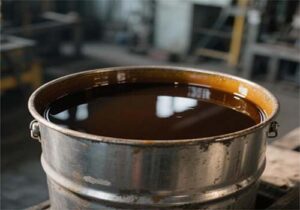
Pyrolysis oil (bio-oil or waste-oil): a dark liquid that can be used as fuel or as a feedstock for further refining. Its properties depend on temperature and feedstock.
Syngas: a mix of hydrogen, carbon monoxide, methane, and light hydrocarbons. It can be burned for heat or used to power engines and generators.
Char (biochar or carbon black): a carbon-rich solid. It can be a soil amendment, a carbon source for activated carbon, or a fuel.
Key concepts to keep in mind:
Temperature range: Low (300–450°C) often favors oil; high (>500°C) favors gas and lighter volatiles.
Heating rate: Fast heating boosts liquids; slow heating tends to make more char.
Residence time: How long vapors stay hot before cooling affects cracking and product yields.
Atmosphere: Pyrolysis must exclude oxygen. Some systems use inert gases like nitrogen; others rely on vacuum or controlled gas flows.
Understanding these basics helps us match reactor design to the desired product mix.
3. Reactor types and design choices>>>
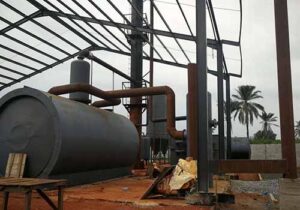
There are many reactor designs. Each has pros and cons. Choosing a design depends on feedstock, product goals, scale, and cost.
Batch reactors
Batch reactors load a charge, heat it, then cool and unload. They are simple and lower cost for small scale. They work well for testing and for high-value products where throughput is low. However, batch systems are labor intensive and not ideal for continuous industrial output.
Continuous reactors
Continuous reactors feed material in and remove products without stopping. They are better for steady production and higher volumes. Continuous designs include auger reactors, rotary kilns, and fluidized beds.
Fixed bed (packed bed)
Feedstock sits on a fixed surface while heat passes through. Fixed beds are simple and handle large particles. They can have uneven heating and are slower to change conditions.
Fluidized bed
Tiny particles are kept suspended by a flow of gas. Fluidized beds give good heat transfer and uniform temperature. They are ideal for uniform feedstocks like finely ground biomass or plastic pellets. They need careful control and particle management.
Rotary kiln
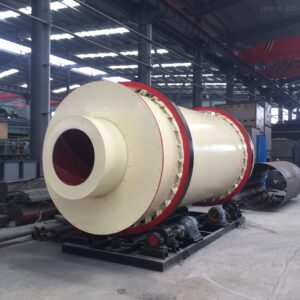
A rotating drum tumbles the feedstock. This gives good mixing and can handle a range of particle sizes and moisture levels. Rotary kilns can be continuous and are robust for mixed wastes, but they can be large and complex.
Auger (screw) reactors
An auger moves feedstock through a heated tube. Augers control residence time well and handle viscous or sticky feedstocks better than fluidized beds. They are compact and easier to seal, which helps prevent air ingress.
Microwave-assisted pyrolysis
Microwave heating warms materials from inside out. It can be fast and energy-efficient for some feedstocks. However, it requires materials that absorb microwaves well, and the equipment is more specialized.
Hybrid and modular systems
Some plants mix technologies or add stages to tune product quality. For example, a fast pyrolysis stage to make oil can be coupled with a secondary cracking stage to upgrade vapors. Modular plants allow easier transport and phased scaling.
Design trade-offs to weigh:
Throughput vs. control
Simplicity vs. efficiency
Feedstock flexibility vs. product specificity
Capital and operating costs
4. Feedstock and preprocessing>>>
Feedstock matters a lot. The same reactor will behave differently when fed plastic, wood, or tire rubber. Good preprocessing makes the reactor work better and reduces downtime.
Common feedstocks
Plastics: PE, PP, PS, PVC (PVC needs special handling), mixed plastic waste
Biomass: wood chips, sawdust, agricultural residues, nutshells
Tires and rubber: shredded tires, rubber crumbs
Mixed municipal waste: requires careful sorting and cleanup
Industrial residues: oil sludges, coated materials, composites
Key feedstock properties
Moisture: High moisture wastes energy to evaporate water and reduce oil yield. Typical targets: <10–15% moisture for many systems. Drying helps.
Particle size: Smaller particles heat faster and more evenly. Grinding or shredding helps for continuous systems.
Contaminants: Metals, stones, and PVC can cause problems. Sorting and magnetic separation can protect equipment.
Consistency: A steady, consistent feed makes control easier. Blending feedstocks can stabilize processing.
Preprocessing steps
Shredding or milling to size material.
Drying to reduce moisture.
Magnetic and manual sorting to remove metals and stones.
Screening to keep a uniform particle distribution.
Washing for some plastic streams to remove dirt and residues.
Investing in preprocessing often pays off through higher uptime and better product consistency.
5. Operating parameters and control>>>
To run a reactor well we must monitor and control key variables. This gives consistent products and safer operation.
Temperature
Temperature is the single most important factor. Typical ranges:
300–450°C for higher oil yields (fast pyrolysis)
450–650°C for more gas and lighter compounds
700°C for thermal cracking and gas production
Temperature must be measured at multiple points: the reactor body, the vapor phase, and product cooling points. Thermocouples and infrared sensors are common.
Heating rate
Fast heating favors liquids. Slow heating favors char. Heating rate is a function of reactor design, surface area of particles, and the heating source.
Residence time
Solid residence time: how long solids stay in the hot zone.
Vapor residence time: how long vapors remain at high temperature before cooling. Longer vapor residence time promotes cracking to lighter gases and reduces condensable liquids.
Design should allow tuning of residence times. For example, increasing throughput reduces solid residence time.
Atmosphere control
An inert atmosphere prevents combustion. Nitrogen or recycled syngas can be used. In some systems, a small controlled oxygen supply supports partial combustion to generate heat in-situ, but this must be designed carefully.
Pressure
Most pyrolysis runs near atmospheric pressure. Some systems operate under vacuum to lower cracking and change product distributions. Vacuum setups are more complex and require sealed systems.
Sensors and controls
Modern plants use PLCs and SCADA systems to log data and control heating, feed rates, and cooling. Key sensors include temperature, pressure, gas composition (GC or gas sensors), flow meters, and alarms for over-temperature or blockage.
Cooling and condensation
Vapors must be cooled and condensed to collect oil. Cooling stages often include condensers, electrostatic precipitators, and scrubbers to remove fine particles and tars. Multi-stage cooling recovers heavier oils first and lighter fractions later.
6. Products and applications>>>
The trio of oil, gas, and char from pyrolysis can be used in many ways. Product quality depends on feedstock and operating choices.
Pyrolysis oil
Uses: burner fuel for heat, feedstock for upgrading to transport fuels, or as a source of chemicals after refining.
Considerations: Oil often contains water, acids, and oxygenates; it is less stable than fossil fuel oil and may need upgrading for some uses.
Syngas
Uses: on-site heat and power via boilers or gas engines; as a feedstock for synthesis after cleaning and conditioning.
Considerations: Composition varies. Cleaning may be needed to remove particulates and tars for engine use.
Char
Uses: soil amendment (biochar), carbon black replacement, activated carbon precursor, or solid fuel.
Considerations: Char properties depend on temperature and feedstock. For soil use, testing for contaminants is important.
Value chains and end markets
Energy generation: using syngas and oil to produce steam or electricity.
Refining and chemicals: upgrading pyrolysis oil to fuels or extracting aromatic compounds from plastic pyrolysis oil.
Soil and agriculture: biochar can improve water retention and lock carbon in soil.
Industrial carbon products: activated carbon, carbon black, or conductive fillers.
Circular economy: turning waste plastics and tyres into feedstocks reduces landfill and recovers value.
Selection of target products affects reactor design. If high-quality oil is the goal, fast pyrolysis with rapid vapor cooling will be prioritized. For char, lower temperatures and longer solid residence times make sense.
7. Safety, environmental, and maintenance considerations>>>
Pyrolysis plants must be safe and meet environmental rules. They also need a clear maintenance plan to run reliably.
Safety risks
Fire and explosion: vapors are flammable. Prevent air ingress, control hot spots, and install flame arrestors and pressure relief devices.
High temperatures and hot surfaces: guarding and lockout procedures reduce injury risk.
Toxic gases: some feedstocks can release harmful compounds. Gas monitoring and proper ventilation are needed.
Emissions control and environment
Particulates and tar: filters, electrostatic precipitators, and scrubbers reduce emissions.
Acid gases and VOCs: scrubbers and catalytic oxidizers can treat acidic or volatile compounds.
Wastewater and residues: some condensates and wash waters need treatment before disposal.
Regulatory compliance: emissions limits, permitting, and reporting vary by region. Plan for local regulations early in design.
Maintenance and uptime
Regular inspection: check seals, bearings, and heat transfer surfaces.
Cleaning: vapors can carry tar that builds up in piping and condensers. Scheduled cleaning prevents blockages.
Wear parts: augers, seals, and refractory linings wear over time. Keep spare parts and replacement plans.
Instrumentation calibration: sensors must be checked and calibrated regularly.
Scaling and commissioning
Pilot testing: run a pilot with representative feedstock to map yields and identify issues.
Gradual ramp-up: start slow during commissioning and tune parameters.
Training: operators need clear procedures and training for normal and emergency situations.
Closing thoughts>>>
Pyrolysis reactors are flexible tools for turning waste into usable products. The right choice depends on feedstock, product targets, scale, and local rules. Core decisions — reactor type, preprocessing steps, and operating targets — shape product quality and plant economics.
For teams at Pyrolysis Unit, the key work is matching customer needs to the right technology and designing control and maintenance plans that keep plants safe and productive. Clear feedstock specs, good preprocessing, careful control of temperature and vapor handling, and robust safety systems make the difference between an unstable trial plant and a steady industrial system.
This post gives a practical map to the main choices and trade-offs. Use it as a working guide when planning projects, writing spec sheets, or training new engineers.