1. Introduction — why price matters for pyrolysis oil>>>
Pyrolysis oil sits between waste and fuel. Its price affects project budgets, customer choice, and whether a pyrolysis plant is profitable. For a manufacturer like Pyrolysis Unit, knowing what changes price helps make better machines and advise buyers. This post walks through the main factors that push the price up or pull it down.
Each section explains a single group of factors and why they matter. The goal is to give a clear, practical map of pricing so engineers, sales staff, and plant operators can make informed choices.
2. What pyrolysis oil is and common uses>>>
Pyrolysis oil is the liquid product from heating organic feedstock without oxygen. It is complex. It contains many kinds of chemicals, water, tars, and solids. Depending on feedstock and process, oil looks different and behaves differently. Common uses include:
Direct fuel for boilers and furnaces (sometimes after blending)
Feedstock for refineries or chemical plants after upgrading
Raw material for producing diesel, gasoline, or syngas in further processing
Price depends heavily on how the oil will be used. Oil sold to a refinery usually needs more quality control and thus costs more. Oil sold for industrial heat can be cheaper if the buyer accepts lower specs.
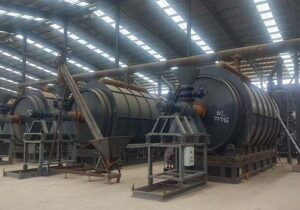
3. Feedstock: the biggest single price driver>>>
Feedstock choice is the primary factor that shapes oil price. Feedstock determines yield, chemistry, and pre-treatment needs.
Types of feedstock and how they affect price:
Plastics (mixed waste, PE, PP, PS): Plastics can give high oil yield and high calorific value. Clean, sorted plastics produce better, more valuable oil. Contaminated plastic needs sorting and cleaning, which adds cost.
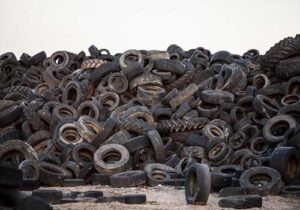
Tyres / rubber: Tyre pyrolysis oil often contains sulphur and heavier fractions. It needs more upgrading for fuel use. Tyre feedstock can be cheap if waste tyres are available, but the oil may sell at a discount unless upgraded.
Biomass (wood, agricultural residues): Biomass-derived oil has more oxygen and water. It often needs more refining. Biomass may be cheap locally but yields different product that commands a different price.
Mixed municipal solid waste (MSW): MSW is variable. Oil from MSW can be low-value because of contaminants and high water/ash. Handling and sorting costs are high.
Feedstock condition also matters:
Moisture: Wet feed lowers oil yield and raises energy costs. Drying adds cost.
Contamination: Metals, stones, and inerts reduce yield and can damage equipment. Removing contaminants costs money.
Pre-processing (shredding, washing, drying): Each step adds operational cost but improves oil quality and yield, which can raise the selling price.
Yield vs. quality trade-off:
High-yield feedstocks with good oil quality (clean plastics) tend to increase product value.
Cheap or abundant feedstocks may reduce raw material cost, but if the oil needs heavy upgrading, the final price may not be high.
4. Process parameters and reactor design effects>>>
How you run the reactor shapes both how much oil you get and how valuable that oil is. Key technical parameters influence cost and price.
Main process parameters:
Temperature: Lower temperatures often favor heavier tar and char. Moderate temperatures may increase liquid yield. Higher temperatures can break molecules into lighter fractions better suited for fuel, but they may lower yield. Operating temperature affects energy use, reactor materials, and downstream processing needs.
Heating rate: Fast heating often favors higher liquid yield and lighter oil. Slow heating favors char and gases. Controlling heating rate can require sophisticated burners or electrical heaters that cost more.
Residence time: Longer vapor residence time can cause secondary cracking. This can lower heavy tars and increase gas or lighter oil fractions. It affects product distribution and subsequent value.
Pressure and atmosphere: Some systems operate at slight pressures or use catalysts. These choices change equipment cost and product chemistry.
Reactor design choices:
Batch vs. continuous: Continuous reactors give stable output and often better economics at scale. Batch systems are cheaper up front but cost more per ton processed. The reactor type affects capital cost and operational efficiency, which in turn affects the per-ton price of oil.
Reactor type (rotary kiln, fluidized bed, screw, vacuum): Each has pros and cons for throughput, energy use, and product quality. For example, vacuum pyrolysis can reduce secondary cracking and improve oil quality but increases equipment complexity and cost.
Heat sourcing and heat recovery: Efficient heat management reduces operating cost. More efficient plants can sell oil at lower price or keep higher margin. Heat recovery systems add capital cost but lower fuel needs, improving long-term price competitiveness.
Operational costs tied to process choices:
Energy consumption for heating and pre-treatment
Maintenance and downtime from abrasive or corrosive feedstocks
Labor and automation level
These costs are part of the production cost base that sets a floor under the sale price.
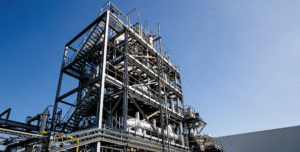
5. Upgrading, refining, and quality control costs>>>
Raw pyrolysis oil is rarely ready for all markets. Upgrading raises quality and price, but it also costs money.
Typical upgrading steps:
Filtration and solids removal: Removes char and ash. It is low-tech but necessary.
Water separation and drying: Many oils contain water. Removing it improves heating value and storage stability.
Distillation: Splits oil into light and heavy fractions. Distillation needs heat and a tower, which is capital and operating cost. Fractions can be sold separately at different prices.
Hydrotreating and catalytic upgrading: These processes remove oxygen and sulphur, and saturate molecules to make stable fuels. They require hydrogen, catalysts, and high-pressure vessels. Hydrotreating greatly increases product value but adds substantial cost.
Blending: Blending pyrolysis oil with diesel, fuel oil, or other streams can create marketable fuels without full upgrading. Blending costs depend on the availability and price of blending partners.
Quality control and testing:
Laboratory analysis (GC, GC-MS, flash point, viscosity, water content, sulfur, ash): Regular testing ensures the product meets buyer specifications. Testing is an ongoing cost.
Certificates and traceability: Some buyers want certificates or batch traceability. Managing quality assurance adds overhead.
How upgrading affects price:
Basic oil for low-grade burners is cheaper and needs less processing.
Oil that meets refinery or transport fuel specs commands a higher price because it can replace conventional fuels or be further refined.
The incremental revenue from upgrading must be weighed against the capital and operating cost of the upgrading steps.
6. Market, standards, and regulatory impacts on price>>>
External market forces and rules strongly influence the final price.
Market demand and competition:
Local demand: If local industry needs low-cost fuel oil, demand pushes price up. If many plants compete in the same market, price can fall.
Alternative fuels and oil prices: When crude oil or diesel prices are high, upgraded pyrolysis oil becomes more competitive and can command higher prices. When fossil fuel prices drop, pyrolysis oil may need discounts.
Buyer type: Industrial heat users accept lower specs and lower prices. Refineries pay more for consistent-quality feedstock.
Standards and regulations:
Environmental limits: Emission rules or restrictions on sulfur and other pollutants can change the marketability of raw pyrolysis oil. Meeting regulations often requires upgrading, which increases cost but may allow entry to higher-value markets.
Waste handling laws and incentives: Some jurisdictions pay for waste disposal or impose landfill costs. If a pyrolysis plant receives tipping fees for accepting waste, that affects net cost and pricing strategy. Conversely, taxes or restrictions on waste-derived fuels raise costs.
Fuel certifications and transport rules: Meeting standards for road transport or for use as heating oil requires testing and paperwork. Compliance adds cost but expands market options.
Price volatility and contracts:
Spot sales vs. contracts: Spot markets can be volatile. Long-term contracts give revenue stability and sometimes lower unit prices but reduce market risk.
Quality premiums and discounts: Buyers often pay a premium for low-sulfur, low-water oil and a discount for high water content or ash. Clear grading systems help set these price bands.
7. Logistics, scale, and economic factors — putting the pieces together>>>
Beyond chemistry and process, practical economics shape price.
Logistics and storage:
Transport costs: Oil is heavy and expensive to move. Distance to buyers affects delivered price. Pipeline and rail access reduce cost compared to road transport.
Storage stability: Some pyrolysis oils are corrosive or unstable. Special tanks, coatings, or heating may be needed. These increase capital and operating expenses.
Shipping volume and packaging: Bulk buyers want tanker loads. Small buyers need drums, which add handling cost per liter.
Scale and capital recovery:
Plant scale: Larger plants typically have lower production cost per ton due to economies of scale. This allows lower sale prices or higher margins.
Capital expenditure (CAPEX) recovery: The need to recover investment affects price. New plants amortize over years; the amortization schedule helps define a minimum viable oil price.
Operating expense (OPEX): Labor, maintenance, utilities, and consumables set ongoing costs that must be covered by price.
Economic and financial factors:
Interest rates and financing: Higher financing costs raise the CAPEX burden and push required prices up.
Taxes, subsidies, and carbon pricing: Taxes on fossil fuels, subsidies for renewables, or carbon credits can tilt the effective price. A carbon credit for avoided landfill methane, for example, could improve the economic picture for pyrolysis oil indirectly.
Supply chain reliability: Consistent feedstock supply reduces risk and can support stable pricing. If feedstock supply is uncertain, buyers demand discounts or short-term contracts.
Putting it all together — practical pricing checklist
To estimate or influence the final price of pyrolysis oil, consider each item below:
What feedstock will be used and what is its cost and variability?
What yield and product quality can the chosen process reliably deliver?
What reactor design and heat management will be used and how do they affect cost?
How much upgrading is required for the intended market? What are the CAPEX and OPEX of upgrading?
Who are the likely buyers and what specs will they demand?
What are transport and storage costs to reach those buyers?
What are local regulations, taxes, or incentives that affect net price?
What scale and financing profile will support the business case?
Conclusion — clear trade-offs and actions>>>
Price for pyrolysis oil is not set by one thing. It is a mix of feedstock, technology, upgrading, market rules, and logistics. Each choice changes both the cost to produce and the value buyers will pay. For operators and engineers, the practical steps are:
Map the feedstock supply and quality first.
Choose a reactor and process settings that balance yield and oil quality for your market.
Evaluate upgrading steps only to the level needed to reach target buyers.
Include transport, storage, and regulatory compliance in cost models.
Consider contracts or partnerships with buyers to stabilize price expectations.
This structured view makes pricing less mysterious. It helps teams make decisions that match technical capability to market opportunity. For Pyrolysis Unit and plant operators, the clearer the inputs and targets, the easier it is to predict a sustainable price that covers costs and delivers value.