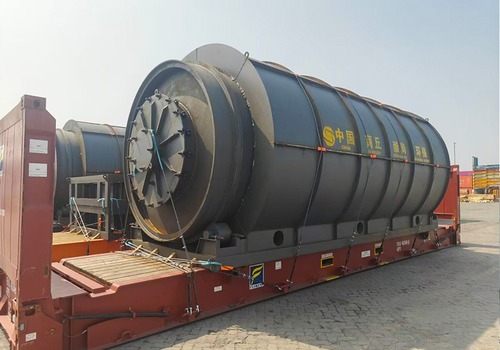


Pyrolysis reactor technology is selected according to the material being processed and the product the project aims to recover. Waste tires, plastics, biomass, and sludge have different physical and chemical properties, so a reactor design suitable for one feedstock may not perform well with another.
The most useful way to compare pyrolysis technologies is to look at feedstock handling, heat transfer, material movement, vapor treatment, and the intended output. These factors determine whether a system is suitable for a specific application.
How Reactor Technology Relates to Pyrolysis Applications
Different reactor designs control how material is heated and moved through the reaction zone. Their suitability depends on the feedstock, operating conditions, and downstream process requirements—not simply on the reactor’s nominal capacity.
| Application | Key Technology Considerations | What Must Be Verified |
|---|---|---|
| Waste tire and rubber processing | Feed preparation, solid movement, vapor collection, and char discharge | Tire size, steel-wire handling, oil properties, and recovered carbon material specifications |
| Waste plastic processing | Consistent feeding, polymer composition, vapor cooling, and contaminant control | Plastic type, chlorine-containing materials, product quality, and downstream acceptance |
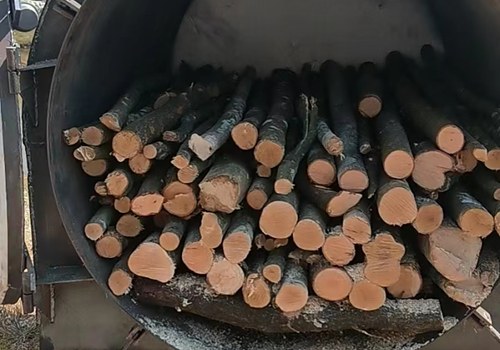
| Biomass carbonization | Moisture management, heating uniformity, solids residence time, and char cooling | Feedstock moisture, ash content, char properties, and intended application |
| Oil sludge or other industrial residues | Feed variability, compatibility of materials, and management of secondary streams | Contaminants, legal waste classification, emissions controls, and residue handling |
Three Technology Decisions That Shape the Process
1. How Heat Reaches the Feedstock
Reactor design affects heat transfer and temperature distribution. Uneven heating can cause inconsistent conversion, while changes in particle size, moisture, or feed rate can alter process behavior.
For a new application, the proposed heating method should be assessed using the actual feedstock and target product. Reactor temperature alone is not enough to predict yield or quality.
2. How Material Moves Through the Reactor
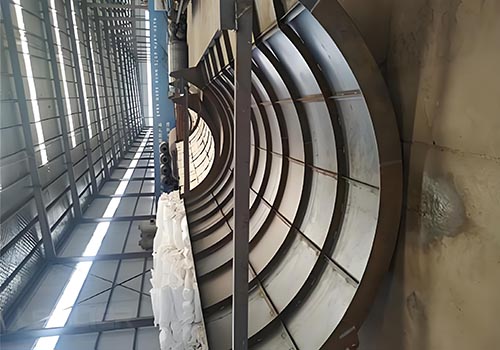
Batch systems process material in discrete cycles, while continuous systems are designed to maintain ongoing feeding and discharge. Other reactor designs use fixed beds, rotating chambers, or screw conveyors to control the movement of solids.
The appropriate arrangement depends on material consistency, throughput requirements, handling characteristics, and the maintenance plan. For a direct comparison of operating modes, see our guide to batch vs. continuous pyrolysis plants.
3. How Vapors and Solid Products Are Handled
Vapor removal and condensation affect the recovery of liquid products. The required system may include condensers, gas handling, and treatment equipment selected for the composition of the process stream.
Solid products also require separate consideration. Tire-derived char, biomass biochar, and other carbon-rich residues have different properties and should not be treated as interchangeable products. The intended end use determines which tests and additional processing may be necessary.
Match Technology to the Intended Product
A process designed to maximize liquid recovery may require different operating conditions and vapor handling from a process designed to produce a carbon-rich solid. The desired product should therefore be specified before the reactor configuration is finalized.
For tire projects, review the waste tire pyrolysis plant. For plastic waste, see the plastic pyrolysis plant. For biomass applications, explore the biomass pyrolysis plant range.
These product pages describe equipment options. The actual suitability of a proposed system should still be confirmed against the feedstock composition, operating conditions, and required output specifications.
What to Check Before Applying a Reactor Technology
Before committing to a process, establish the following information:
- The source, composition, moisture, and consistency of the feedstock.
- The required output and the quality specification expected by the downstream user.
- The proposed heating method, material movement, vapor handling, and solid discharge arrangements.
- The treatment required for gas, condensate, dust, and other residual streams.
- The available test data supporting throughput and product-quality claims for the relevant material.
These checks help distinguish a reactor that can technically heat a material from a complete process that can reliably handle the feedstock and meet the project’s requirements.
For the fundamentals of thermal decomposition, read what pyrolysis is. For reactor configurations, engineering factors, and equipment selection, see our dedicated pyrolysis reactor systems guide.
Conclusion
Pyrolysis reactor technology should be matched to the feedstock, desired product, and practical operating requirements. Heat transfer, solids movement, vapor handling, and downstream treatment all influence whether a process is suitable for its intended application.
To explore available equipment options, visit the PyrolysisUnit equipment catalog, or contact the team to discuss your project requirements.