

Biomass pyrolysis is the thermal decomposition of organic plant materials under conditions with little or no oxygen. Instead of burning the material completely, heat breaks down its chemical structure and converts it into solid char, condensable vapors, and non-condensable gases.
Wood, sawdust, rice husks, straw, and other agricultural residues can all be used as biomass feedstocks, but they do not behave in exactly the same way. Their chemical composition, moisture, and mineral content influence both the reaction and the products obtained.

Why Biomass Has Its Own Pyrolysis Characteristics
Most woody and agricultural biomass is made up primarily of three natural polymers: cellulose, hemicellulose, and lignin. These components form the structure of plant cell walls, but they respond differently to heat.
- Cellulose: This structural carbohydrate breaks down over a relatively concentrated temperature range and contributes significantly to the formation of volatile compounds during thermal decomposition.
- Hemicellulose: It generally begins decomposing at lower temperatures than cellulose and produces a mixture of gases and condensable organic compounds.
- Lignin: This complex aromatic polymer decomposes across a broader temperature range. Its breakdown contributes to solid char and a variety of organic vapor compounds.
These reactions overlap rather than occurring as three completely separate stages. Their relative contributions help explain why hardwood, straw, rice husks, and nutshells can produce different amounts and qualities of char, liquid products, and gas under similar processing conditions.

What Happens to Biomass Inside a Pyrolysis Process?
The material first loses moisture as it is heated. Once the temperature rises sufficiently, the organic structure begins to decompose and release volatile compounds. With oxygen restricted, these compounds do not simply burn away as they would in an open fire.
The resulting vapors and gases leave the heated material. Depending on the system, the vapors are cooled and collected as liquid fractions, while the remaining solid material is recovered separately. Non-condensable gas may also be collected for controlled energy recovery.
For many biomass pyrolysis systems, operating temperatures are broadly around 450–600°C, although this is not a universal setting. The European Commission’s Bioeconomy Knowledge Centre also identifies temperature, heating rate, and residence time as important factors affecting product distribution.
Three Main Product Fractions
Biomass pyrolysis does not produce just one material. The output is normally divided into three broad fractions, and the collection system determines how effectively each fraction can be recovered.

1. Solid Char
The solid residue contains carbon-rich material along with mineral matter originally present in the biomass. When produced and characterized for appropriate applications, this material may be used as biochar or as a carbon-based fuel or industrial material.
Its properties depend on the original feedstock and the severity of thermal treatment. Higher temperatures generally drive off more volatile matter and change the structure of the remaining carbon. Ash and mineral content also need to be considered when evaluating the final material.
2. Condensable Vapors and Liquid Products
Some volatile compounds released during heating can be cooled and recovered as liquid products. Depending on the feedstock and condensation arrangement, these may include organic-rich bio-oil, water-containing fractions, wood tar, or other condensates.
These liquids are not interchangeable products. Their acidity, water content, chemical composition, and stability vary. For a closer look at one important liquid fraction, see our guide to wood pyrolysis oil and its properties.
3. Non-Condensable Gas
The gas fraction can contain carbon monoxide, carbon dioxide, hydrogen, methane, and other light hydrocarbons. Its composition changes with the feedstock and reaction conditions.
After suitable handling and treatment, part of this gas may be used as a process heating source. However, its actual heating value and suitability for reuse must be established through gas analysis and system design.
Biomass Pyrolysis Is Not the Same as Burning or Gasification
These processes all use heat, but the oxygen supply and intended conversion pathway are different. Understanding the distinction helps explain why they produce different outputs.
| Process | Oxygen Conditions | Main Purpose or Output |
|---|---|---|
| Pyrolysis | Little or no intentionally supplied oxygen | Solid char, condensable vapors, and gas |
| Combustion | Oxygen supplied for burning | Heat, combustion gases, and ash |
| Gasification | Controlled supply of oxygen and/or steam | Producer gas or syngas as the main target |
| Carbonization | Restricted oxygen | Carbon-rich solid, usually as the primary product |
Carbonization is closely related to slow pyrolysis and is often used when charcoal or biochar is the main target. Gasification, by contrast, introduces a controlled gasifying agent to promote gas production. For a broader explanation of thermal decomposition, see what pyrolysis means and how the process works.
What Determines the Final Pyrolysis Products?
There is no fixed output ratio that applies to every biomass material. Several variables work together to determine the final product distribution.
- Feedstock composition: The proportions of cellulose, hemicellulose, lignin, and inorganic matter influence decomposition and product characteristics.
- Moisture content: Water must be heated and evaporated before the material can undergo effective thermal decomposition. Wet feedstock therefore increases the heat demand.
- Particle size: Material dimensions affect heat transfer. Large or irregular pieces may heat unevenly, while very fine particles can create feeding and dust-handling challenges.
- Reaction temperature: Temperature changes the extent of decomposition and the balance between solid, condensable, and gaseous products.
- Heating rate and residence time: The speed at which the biomass heats up, along with how long solids and vapors remain in the hot zone, influences secondary reactions and product recovery.
- Mineral and ash content: Naturally occurring minerals can influence reaction behavior and remain in the solid fraction, affecting its final composition.
For this reason, a yield figure from one type of wood or agricultural residue should not be used as a direct prediction for another. Representative feedstock testing provides a more reliable basis for process evaluation.
Which Biomass Materials Can Be Considered?
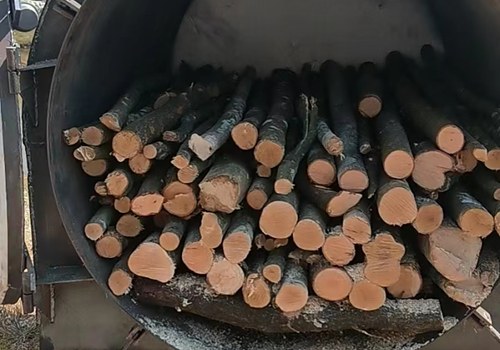
Common lignocellulosic feedstocks include sawdust, wood chips, forestry residues, rice husks, coconut shells, bamboo, corn stalks, and other crop residues. Their suitability depends on consistency, moisture, particle size, ash content, contamination, and the intended product.
For example, rice husks can have a relatively high mineral and silica content, while different wood species vary in density and lignin composition. Materials such as painted wood, treated timber, or mixed waste should not be assumed suitable without checking for coatings, additives, and contaminants.
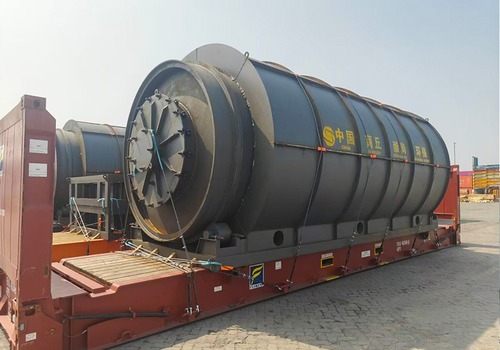
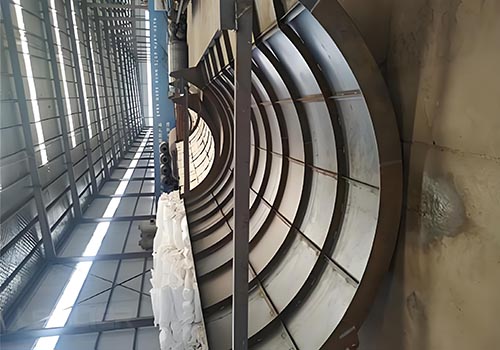
Where a project uses agricultural or forestry residues, the proposed system should be matched to the actual feedstock rather than selected solely by its advertised processing capacity. You can explore the biomass pyrolysis plant range and our wood pyrolysis machine for examples of equipment designed for these materials.
Frequently Asked Questions
Does Biomass Pyrolysis Require Oxygen?
Pyrolysis takes place under oxygen-limited conditions, with little or no intentionally supplied oxygen. This restricts combustion and allows heat-driven decomposition to occur.
Does Biomass Pyrolysis Always Produce Biochar?
It normally produces a solid carbon-containing residue, but its quantity and properties depend on the biomass and operating conditions. Whether the material qualifies for a particular biochar application depends on its quality and relevant testing.
Can Biomass Pyrolysis Oil Be Used Directly as Diesel?
No. Raw biomass-derived bio-oil has a different chemical composition and physical properties from petroleum diesel. It may require specialized handling, direct-combustion equipment, or further upgrading depending on the intended application.
Understanding the Process Before Choosing Equipment
Biomass pyrolysis is a way to transform plant-based materials into a combination of solid, liquid, and gaseous products through controlled heating with restricted oxygen. The most suitable process depends on the feedstock, the desired output, and how each product fraction will be collected and used.
For projects involving wood, crop residues, or other biomass resources, understanding these material differences is the first step toward selecting an appropriate processing system.