
Table of Contents How Much Does It Cost to Start
Article Table of Contents
Is Pyrolysis Biochar Good For Soil
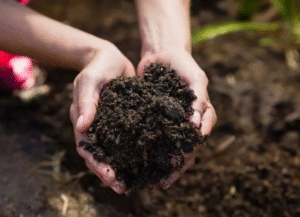
Biochar’s utilization in contemporary farming, however, is not a brand-new invention, but instead a revival of ancient farming strategies that assisted ancient civilizations thrive hundreds of years ago. To understand if biochar could be advantageous for the soil, let’s look at where it originated from, from the Amazon Basin, where the native people developed “Terra Preta” or “Black Earth.” They utilized “Coal from the Cooking Flames.” They incorporated animal bones, food scraps, and broken pottery to create one of the most fertile soils on the planet.
Today, scientists are utilizing the technique of “pyrolysis” to create this very same item again by utilizing manure, wooden scraps, and agricultural waste to create a stable form of carbon that will persist in the dirt for up to 2500 years. This article will look at the part of “pyrolysis equipment” in the creation of “black gold,” how it impacts the chemical and physical structure of the dirt, and how it can help the environment, a world that’s dealing with the danger of climate change.
The Role of the Pyrolysis Machine: Converting Waste to Wealth
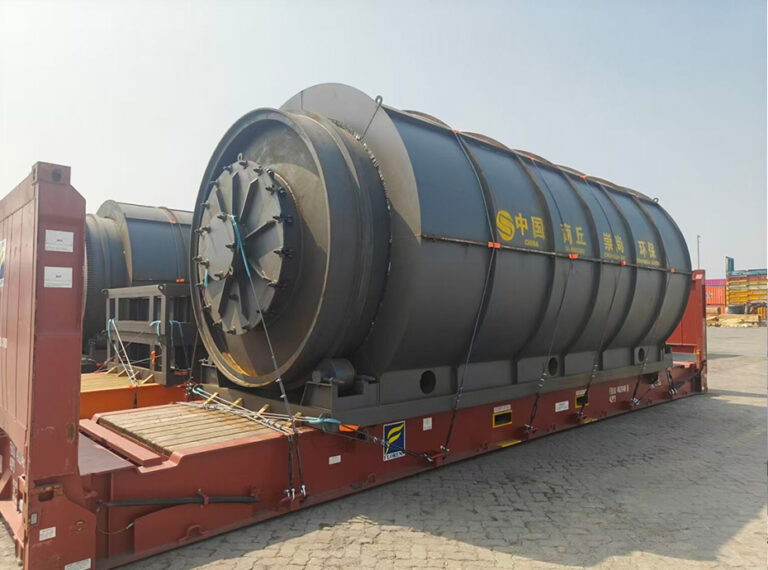
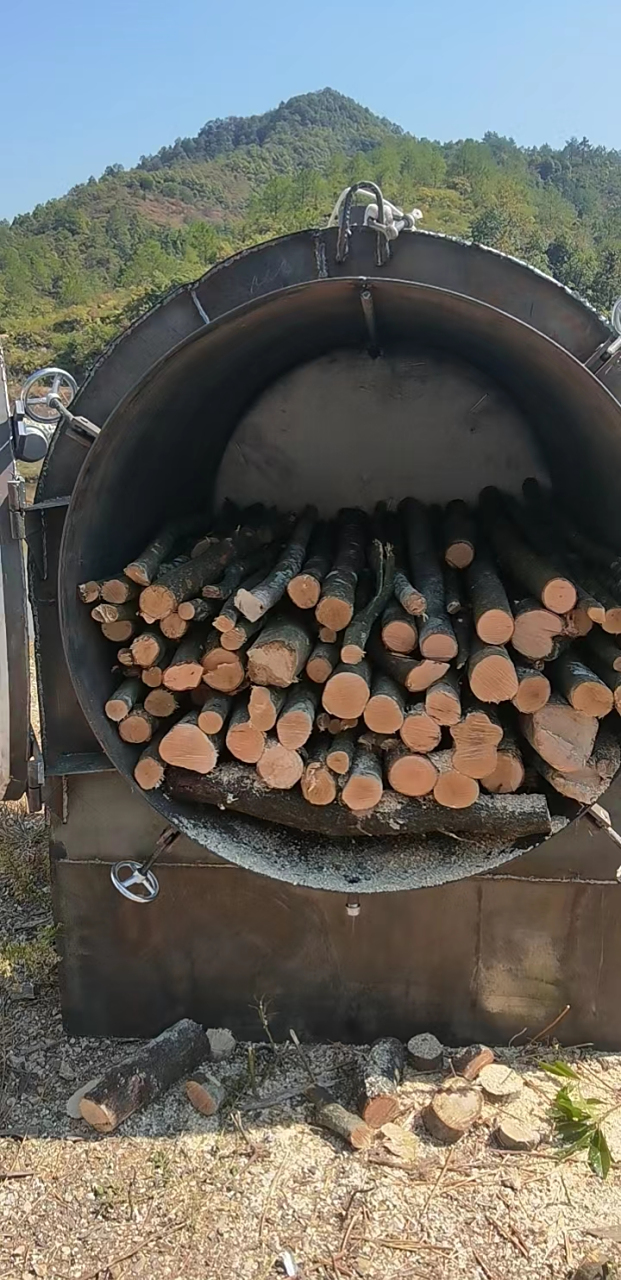
The process of biochar begins in a specialized device called a pyrolysis machine. Pyrolysis is the thermochemical process of decomposing materials using heat in an environment with very little or no oxygen present. If there is oxygen present, the material will simply be burned away into ash and smoke, but because the pyrolysis machine is a closed system, the materials inside are essentially baked, turning them into solid carbon. This is the core of the biochar process and is the determining factor in the quality of the final product that is put into the ground by the farmer or gardener.
The construction of the pyrolysis machine is geared towards the control of three different byproducts of the process: biochar (the solid), bio-oil (the liquid), and syngas (the gas). To produce the highest level of biochar, the machine is set to “slow pyrolysis” mode. This is done by having the machine heat the materials slowly and keeping them in the reactor for an extended period of time—30 minutes or more.
Machine Component | Primary Function in Biochar Production | Engineering Benefit |
Feeding System | Moves raw biomass (wood chips, manure) into the reactor without letting oxygen in. | Prevents combustion and ensures the material bakes rather than burns. |
Pyrolysis Reactor | The sealed “oven” where the chemical breakdown happens at temperatures between 300°C and 800°C. | Determines the surface area and pore structure of the finished biochar. |
Heating System | Provides the energy to reach high temperatures; often uses a combustion chamber under the reactor. | Can be designed to recycle the syngas produced by the machine to save fuel. |
Condensing System | Cools the hot vapors released during baking to turn them into liquid bio-oil. | Captures valuable byproducts that can be used for energy or fuel. |
Discharge System | Safely removes the hot biochar and cools it so it doesn’t catch fire when it hits the air. | Often uses water-cooled screw conveyors to drop the temperature quickly. |
Exhaust Purification | Filters out smoke and dust using water sprays and ceramic rings before letting air out. | Ensures the process meets environmental standards like EU 2019 emission rules. |
The way it deals with heat is of utmost importance. As the temperature increases inside the reactor, the biomass goes through several processes. First, it dries the biomass by evaporating any water left in it.
It then begins to break down the physical composition of the wood or manure, producing gases in the process. This process is called “devolatilization.” It is during this process that millions of small holes or “pores” are produced in the biochar. A good machine is also expected to have a mechanism that precisely measures the temperature, since if it gets too hot, above 800 degrees, these pores may close, rendering it less useful for the soil.
Why Biochar Acts Like a Magic Sponge for Soil
Once the pyrolysis machine has completed its work on the organic materials, what is left is biochar. Biochar, in its physical form, is almost unbelievable. A gram of high-quality biochar contains more surface area than two football fields. Biochar is also like a permanent sponge in the dirt. This is just one of the main reasons that biochar is good for the dirt, especially in regions where there is not much water.
When it rains, normal dirt, especially if it is sandy, drains water quickly. Sandy dirt also drains any nutrients that the plants in that dirt need. When biochar is mixed with dirt, the sponge-like quality of biochar absorbs the water, keeping it close to the roots of the plants. This means that farmers do not have to water their crops often. The plants will also have a much greater chance of survival if there is not much water. Biochar is capable of holding up to six times its own weight in water.
The benefits go beyond just holding water. Biochar also has a “negative charge” on its surface. Many of the nutrients that plants need to grow, like potassium, calcium, and ammonium, have a “positive charge”. Because opposites attract, the biochar acts like a magnet, pulling these nutrients in and holding them so they don’t wash away. This ability is called Cation Exchange Capacity (CEC), and it is a key marker of how fertile a soil is.
Soil Property | How Biochar Changes It | Long-Term Benefit to the Farmer |
Water Retention | Increases the amount of water the soil can hold in its pores. | Reduces the need for irrigation and helps plants survive droughts. |
Nutrient Leaching | Holds onto nitrogen and phosphorus so they don’t wash into groundwater. | Saves money on fertilizer and protects nearby streams from pollution. |
Soil Density | Loosens up hard, compacted soil by adding air space. | Makes it easier for roots to grow deep and for air to reach the soil microbes. |
pH Levels | Neutralizes acidic soils because biochar is naturally alkaline. | Improves the health of plants that don’t like acid and can replace expensive lime treatments. |
In addition to being a sponge and a magnet, biochar serves as a “microbe condominium.” The soil is full of tiny living things like bacteria and fungi that help plants eat. These microorganisms need a place to live where they are safe from being eaten by bigger bugs and where they can find water and air. The tiny holes in the biochar provide the perfect safe house for these beneficial microbes. This leads to a healthier “soil food web,” which naturally protects plants from diseases and pests.
The Science of Feedstocks: Why One Biochar is Not Like Another
It is an error in judgment to assume that all biochar is equal. What is put into the pyrolysis machine, called the feedstock, can greatly vary in its ability to help the soil. For example, biochar from woody waste such as pine chip or maple bark is extremely carbon-rich and has many pores to hold water. However, it does not have many nutrients of its own. On the other hand, biochar from animal waste such as chicken manure or dairy waste is much higher in nutrients such as phosphorus and nitrogen. Unfortunately, it also has fewer pores and may not last as long in the earth.
The temperature of the pyrolysis machine also greatly affects the biochar. If the pyrolysis machine is heated to a lower temperature, such as 300-400 degrees C, then some of the original oils and nutrients of the plant are retained in the biochar. This is better for immediate plant growth. If, however, it is heated to a higher temperature, such as 600 degrees C or higher, then these oils are burned off, leaving behind a highly purified carbon structure, which is excellent for water filtration or lasting in the earth for 1,000 years.
Feedstock Source | Best Use Case in Soil | Key Nutrients Provided |
Softwood/Hardwood | Improving soil structure and water holding in sandy soils. | Very little; mostly just carbon. |
Dairy/Poultry Manure | Acting as a slow-release fertilizer in nutrient-poor fields. | High in Phosphorus (P) and Nitrogen (N). |
Crop Residue (Rice Husks, Straw) | Reducing waste and improving potassium levels. | High in Potassium (K). |
Municipal/Green Waste | General soil improvement and waste reduction in cities. | Varies based on the mix of waste. |
Because the feedstock and temperature change the product so much, it is important for a farmer to know exactly what they are buying. Putting a high-nutrient manure biochar on a field that already has too much phosphorus could actually cause problems. Similarly, putting a very alkaline wood biochar on soil that is already alkaline might make the soil too basic for plants to grow well. The best results come from matching the right biochar to the right soil type.
Fighting Climate Change: How Biochar Saves the Planet
One of the most exciting aspects of biochar is that it has the ability to actually benefit the environment on a global level. You see, when plants grow, they take in carbon dioxide out of the air and convert it into leaves, wood, and roots. The problem is that when the plants die and decay, the carbon that was in the plant simply goes right back into the air in the form of carbon dioxide or methane, which are greenhouse gases that contribute to global warming.
But if we take that plant material and put it in one of these pyrolysis machines, we can actually lock away half of that carbon in a way that it will not decay for thousands of years.
This makes it a “carbon negative” process. For every ton of biochar we put in the ground, it is the equivalent of removing three tons of carbon dioxide out of the air. It is one of the few ways we have to actually remove carbon out of the air and lock it away safely.
Besides storing carbon, biochar soils also assist in reducing other bad gases. One such gas is nitrous oxide (N2O), which is a greenhouse gas 300 times worse for global warming than carbon dioxide. This gas is normally emitted from fields that are over-fertilized. Research has indicated that biochar helps in reducing N2O emissions by up to 80% through altering nitrogen in the soil and making sure that it is not aerated for microbes that produce N2O to thrive.
Environmental Benefit | How Biochar Achieves It | Real-World Impact |
Turns rotting waste into stable carbon that lasts for centuries. | Lowers the total amount of CO2 in our atmosphere. | |
Reduced Fertilizer Runoff | Holds nutrients in the root zone so they don’t wash into rivers. | Prevents “dead zones” in the ocean caused by too much nitrogen and phosphorus. |
Greenhouse Gas Mitigation | Lowers N2O and methane (CH4) emissions from the soil. | Fights global warming more effectively than just planting trees alone. |
The pyrolysis process produces syngas and bio-oil that can replace fossil fuels. | Provides a clean way to generate heat and electricity for farms. |
By using biochar, we can turn a waste problem (like dead trees from forest fires or piles of manure) into a climate solution. In places like Colorado, foresters are even using biochar to help native plants grow back on old oil and gas sites, showing that this “ancient” tool is perfect for solving modern environmental problems.
When Biochar Isn't Perfect: Risks and Things to Watch Out For
Of course, while the name sounds like the stuff of magic and miracles, there are some things to be careful about. First off, it is not a “one-size-fits-all” product. If it is used incorrectly, it can actually hurt your plants in the short term. The most common problem that people run into is called “nutrient immobilization.”
Because of the amazing ability of new biochar to soak up water and nutrients like crazy, if you put it in the ground without first “charging” it with some nutrients and water, it might take those nutrients away from your plants in the first season or two. This can make your plants turn yellow and stunted.
Another thing to be careful about is the pH level in your soil. Most biochar has an alkaline pH level. In other words, it is very high. This is wonderful if your soil is already acidic, like in the tropical jungle or in the forest. However, if your soil is already alkaline or even neutral, like in most of the western United States, it can be bad news. Too much alkaline in the pH level can make it hard for your plants to “eat” important minerals like iron and zinc.
There is also the risk of contamination. If a pyrolysis machine is used to process waste that has heavy metals or toxic chemicals in it, those toxins might stay in the biochar and end up in your food. This is why it is so important to know where your biochar comes from and what it was made of. Finally, very fine biochar can be a health risk if you breathe in the dust, and it can be easily blown away by the wind if it’s not mixed into the soil correctly.
Potential Problem | Who is at Risk? | How to Fix or Avoid It |
Stealing Nutrients | New gardens using “raw” or fresh biochar. | Mix biochar with compost or liquid fertilizer before putting it in the soil. |
pH Spikes | Farmers with already alkaline or neutral soil. | Test your soil pH first and use wood-based biochar, which is less alkaline. |
Dust and Erosion | People applying fine biochar on a windy day. | Moisten the biochar or mix it with wet compost before spreading it. |
Worm Harm | Soils with very high rates of biochar application. | Stick to recommended application rates (usually 5-10% of the soil mix). |
It is also important to remember that biochar can affect how pesticides and herbicides work. Because biochar is so good at absorbing chemicals, it might “soak up” the weed killer you use, making it less effective. This means farmers might actually have to change how they manage their weeds and pests once they start using biochar.
How to Get the Best Results: Charging and Using Biochar
So, if you wish to use biochar in your garden or on your farm, the most important step is to “charge” your biochar. Biochar can be thought of as an empty battery. An empty battery, if you insert it into a machine, will do nothing for you. It needs to be charged with some form of energy. Biochar needs to be charged with nutrients and tiny life forms.
The easiest way to charge your biochar is to mix it 1/1 with some high-quality compost, and let it sit for a week or two. During this period, the biochar absorbs all the nutrients from the compost, which inoculates it with beneficial microbes. When you finally insert it into your soil, it is ready to start working for your plants from day one, instead of stealing from them.
For those of you who wish to get a little fancier, you can steep your biochar in a liquid nutrient solution. This can be made from worm casting tea, compost tea, or even liquid seaweed. Some farmers choose to use urine to charge their biochar, as it is rich in nitrogen, which biochar loves to hold.
Charging Method | Time Required | Benefits |
Compost Mix | 7 to 14 days. | Easiest method; provides both nutrients and microbes. |
Nutrient Steeping | 24 to 48 hours. | Very fast; allows you to use specific fertilizers like fish emulsion or kelp. |
Worm Casting Inoculation | 7 days. | Best for biological health; adds a massive amount of “good bugs” to the soil. |
Field Charging | 1 to 2 years. | The “lazy” method; just apply it to the soil and let nature fill it up over time. |
When it comes time to apply the biochar, you don’t need a lot. Most studies show that adding about 5% to 10% biochar to your soil is the “sweet spot”. You should try to bury it about 6 to 8 inches deep, right where the roots will be. This keeps it safe from the wind and ensures the plants can reach the “sponge” when they need it. Because biochar doesn’t rot, you only need to apply it once in your lifetime—it’s a permanent improvement to your land.
The Future of Biochar: A Tool for Regenerative Farming
When we think of the future, we can see that biochar is becoming an increasingly important part of something called “regenerative agriculture.” This is a way of farming that doesn’t just provide us with food, but actually improves the earth and makes it a healthier place every single year. And biochar is an absolutely perfect fit for this, because it improves the water, improves the soil, and helps solve global warming all at the same time.
The pyrolysis machine is also an increasingly important part of our future, and we are finding ways to make these machines smaller, cheaper, and more efficient. What would it be like if every single farm had its own little pyrolysis machine to burn corn stalks or manure and provide clean energy for the farmhouse and healthy food for everyone through biochar? It’s called a closed-loop system, and it means no waste, no pollution, and healthy food for everyone.
In conclusion, pyrolysis biochar is not only good for the soil but is, in fact, an essential tool in building up the future of our planet. Of course, we have to make sure that we get the right type of biochar for our particular soilt type and that we have the appropriate technology in the future, which will assist in building up a world where the ground we have our feet firmly planted in is not only healthy, living, and permanent but also remember to “charge” it first, but we cannot afford to pass up on something that is simply too good to be true. It is a bridge between the wisdom of the past.
Recent Articles

Related Blog