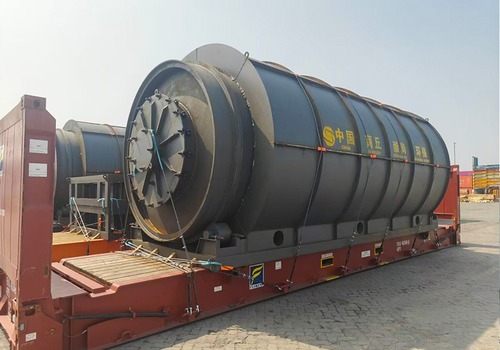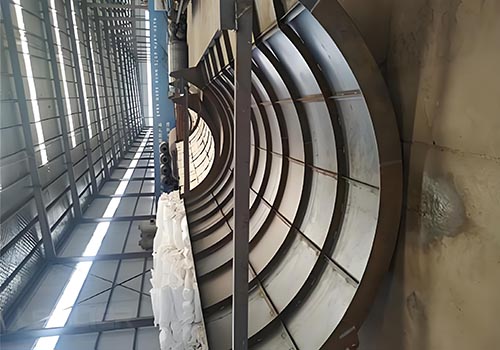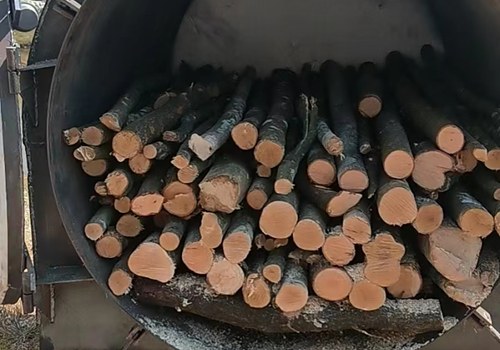


Carbonization and pyrolysis are closely related thermal processes, so the machines used for them are not always separate categories. Carbonization generally refers to heating organic material under oxygen-limited conditions to produce a carbon-rich solid. Pyrolysis is the broader process that can produce solids, condensable vapors, and non-condensable gas.
The practical difference is usually the main product the equipment is designed to recover. A carbonization furnace typically prioritizes charcoal or another solid carbon product, while a waste pyrolysis plant may be configured to recover liquid products from materials such as waste tires or plastics.
Carbonization Machine vs. Pyrolysis Machine: Key Differences
| Comparison | Carbonization-Focused Equipment | Other Pyrolysis Equipment |
|---|---|---|
| Main objective | Prioritize charcoal or another carbon-rich solid | Recover a target mixture of liquid, gas, and solid products according to the process design |
| Typical feedstocks | Wood, bamboo, coconut shells, and suitable agricultural residues | Depending on the design, waste tires, plastics, biomass, or other suitable materials |
| Design priorities | Solid conversion, char cooling, discharge, and product consistency | Feedstock-specific heating, vapor handling, condensation, gas treatment, and residue management |
| Potential outputs | Charcoal or other carbon-rich solids, with gases and condensates depending on the system | Liquid fractions, gases, and solid residues in proportions determined by the feedstock and process |
| Selection basis | Required solid-product characteristics and biomass handling conditions | Feedstock composition, target products, process conditions, and downstream requirements |
This comparison describes common equipment objectives rather than a strict scientific boundary. Carbonization is generally a form of pyrolysis, and pyrolysis equipment can also be designed primarily for solid-char production.
Does Temperature Determine Whether a Machine Is for Carbonization or Pyrolysis?
Not by itself. Temperature affects how material decomposes and influences product distribution, but the result also depends on feedstock composition, heating rate, residence time, reactor design, and vapor handling.
For that reason, there is no universal temperature range or yield percentage that separates all carbonization machines from all pyrolysis machines. A supplier’s stated capacity or product yield should be evaluated against the actual feedstock, operating conditions, and measurement basis.
Which Machine Is Suitable for Your Application?
For Charcoal or Solid Carbon Production
If the main objective is to produce charcoal from wood, bamboo, coconut shells, or suitable agricultural residues, a carbonization furnace may be the appropriate starting point. The important considerations include feedstock moisture, particle size, heating uniformity, char cooling, and the quality required by the intended buyer.
Review the continuous carbonization furnace options and our guide to the charcoal-making process.
For Waste-Tire or Plastic Processing
If the project aims to recover liquid products from waste tires or suitable plastics, evaluate a pyrolysis system designed for that specific feedstock. The feeding system, reactor, condensation arrangement, product storage, and gas treatment must match the material and intended output.
See the continuous pyrolysis plant options or browse the plastic pyrolysis plant range.
For Biomass Pyrolysis Projects
Biomass systems can be configured for different product priorities, including charcoal, biochar, or liquid bio-oil. These objectives can require different heating conditions, feed preparation, vapor recovery, and cooling arrangements.
Before choosing a machine, state whether the main target is a solid carbon product or a liquid product. Then confirm the proposed system’s suitability for the actual feedstock. Our biomass pyrolysis plant page provides an overview of available equipment options.
What to Check Before Requesting a Quotation
To avoid comparing machines that serve different purposes, provide the supplier with the following information:
- Feedstock: Specify the material, moisture content, contamination, and expected variation.
- Target product: State whether the priority is charcoal, biochar, liquid oil, or another defined output.
- Capacity: Clarify whether throughput is measured as wet or dry feedstock and specify the required operating schedule.
- Product requirements: Identify the quality characteristics and acceptance criteria expected by the downstream user.
- Equipment scope: Confirm which feeding, heating, condensation, gas-treatment, cooling, and discharge systems are included.
For the broader principles behind thermal decomposition, see what pyrolysis is. For reactor configurations and design considerations, consult the pyrolysis reactor guide.
Frequently Asked Questions
Is carbonization a type of pyrolysis?
Yes. Carbonization is generally a form of pyrolysis in which the process is directed toward producing a carbon-rich solid from organic material.
Can a carbonization furnace produce gas and liquid by-products?
Yes. Carbonization can generate vapors and gases as well as solid char. Whether these streams are recovered and how they are handled depend on the equipment configuration.
Are batch and continuous machines the same as carbonization and pyrolysis machines?
No. Batch and continuous describe operating modes, while carbonization and pyrolysis describe related thermal-processing concepts. Equipment using either operating mode can serve different product objectives.
Conclusion
The key distinction between carbonization-focused equipment and other pyrolysis machines is the intended product and the system designed to recover it. Choose the equipment according to the feedstock, required output, process conditions, and downstream quality requirements—not the machine name alone.
Browse the PyrolysisUnit equipment catalog or contact the team about your project.