
Top Manufacturer of Pyrolysis Machines/Units

Plastic Into Fuel Machine

Plastic Into Fuel Machine — 40–75% Oil Yield | 4 Models | 3–35 T/Day

A Plastic Into Fuel Machine is an industrial plastic pyrolysis system that converts waste plastics into fuel oil, syngas, and carbon black under oxygen-free conditions. Each 1 kg of plastic contains energy equivalent to about 0.8 kg of gasoline or 0.7 kg of diesel, making plastic pyrolysis a high-efficiency energy recovery solution.

PyrolysisUnit provides commercial plastic into fuel machines from 3 to 35 T/day — with fuel oil yields of 40–75%, syngas self-heating that cuts external fuel costs by 30–40%, and multi-stage emission purification meeting EU and EPA standards. ISO 9001:2015 & CE certified. Free feedstock assessment before purchase.

What Is a Plastic Into Fuel Machine

A Plastic Into Fuel Machine converts non-recyclable plastic waste (PP, PE, PS) into three sellable outputs: fuel oil (40–75% yield, usable in industrial boilers and generators), carbon black (for rubber and construction), and syngas (recycled as process heating fuel). Operating at 450–650℃ in an oxygen-free reactor, the system achieves 80–95% waste volume reduction with closed-loop emission control — turning a disposal cost into a revenue stream.

How Plastic Into Fuel Machine Works

The plastic into fuel machine operates through a systematic, industrial-grade process that ensures efficient conversion of plastic waste into usable energy, with clear steps focused on performance and compliance:
  • Feedstock Preparation

Suitable plastics include PE (polyethylene), PP (polypropylene), PS (polystyrene), and other non-recyclable thermoplastics. Preprocessing involves simple sorting (removing non-plastic impurities like metal), shredding into 5–20mm chips, and low-temperature dehydration (moisture ≤5%) to optimize pyrolysis efficiency.
  • Pyrolysis & Condensation Process

The prepared plastic chips are fed into a sealed reactor, heated to 450–650℃ under oxygen-free/low-oxygen conditions. Thermal decomposition breaks down plastic polymers into oil vapor, which is then sent to a multi-stage condenser (water/air-cooled) to condense into liquid fuel. Non-condensable syngas is collected for recycling as reactor heating fuel.
  • Fuel Oil Collection & Emission Control

Condensed fuel oil is filtered and stored in dedicated tanks for industrial use. Recycled syngas reduces external energy consumption by 30–40%. Flue gas undergoes multi-stage purification (dust removal + activated carbon adsorption) to meet global emission standards, ensuring compliant, low-pollution operation.
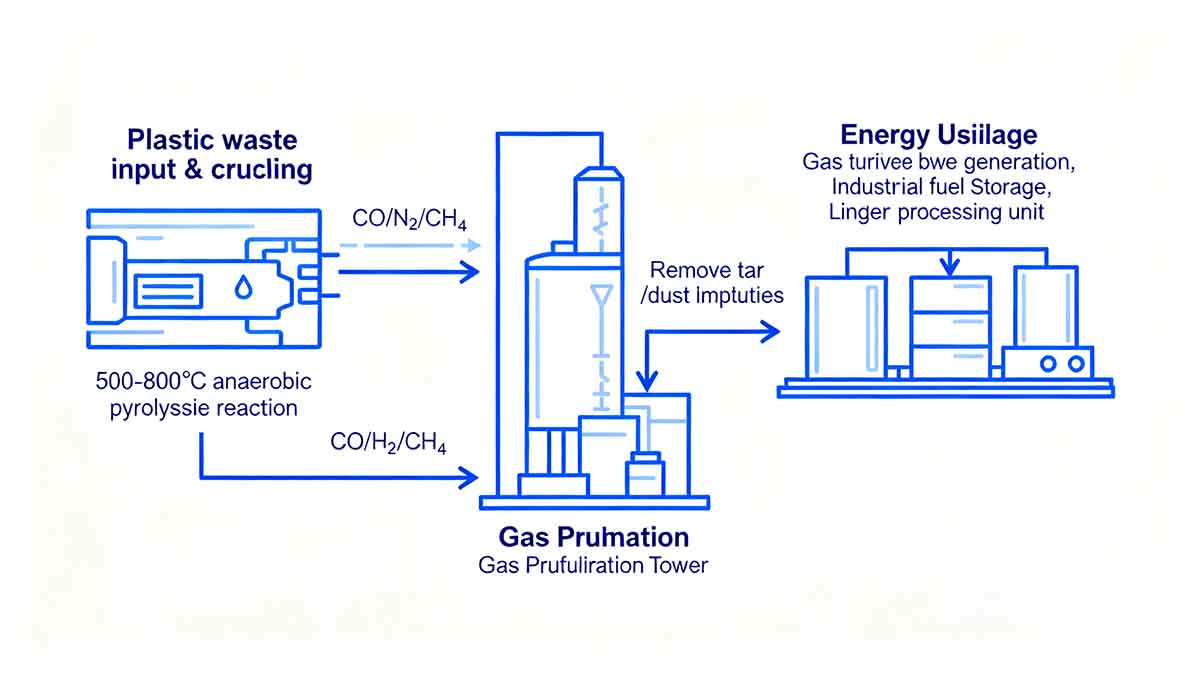
The process of converting plastic into energy

4 Plastic Into Fuel Machine Models: Find the Right Fit for Your Daily Capacity>>

Small pyrolysis machine

Small mobile plastic pyrolysis machine, capable of processing 3–5 tons of waste plastic in 24 hours, with an oil yield of up to 40%–75%.

batch pyrolysis plant-2

Batch plastic-to-energy machine can process 10–15 tons of waste plastic in 24 hours, with an oil yield of 45%–70%.

distillation machine

Semi-continuous plastic pyrolysis machine can process 10–30 tons of waste plastic in 24 hours, with an oil yield of 45%–70%.

Continuous Pyrolysis Plant

Continuous plastic pyrolysis machine can process 35 tons of waste plastic in 24 hours, with an oil yield of 45%–70%.

Equipment Specifications
Name Unit Quantity Specifications
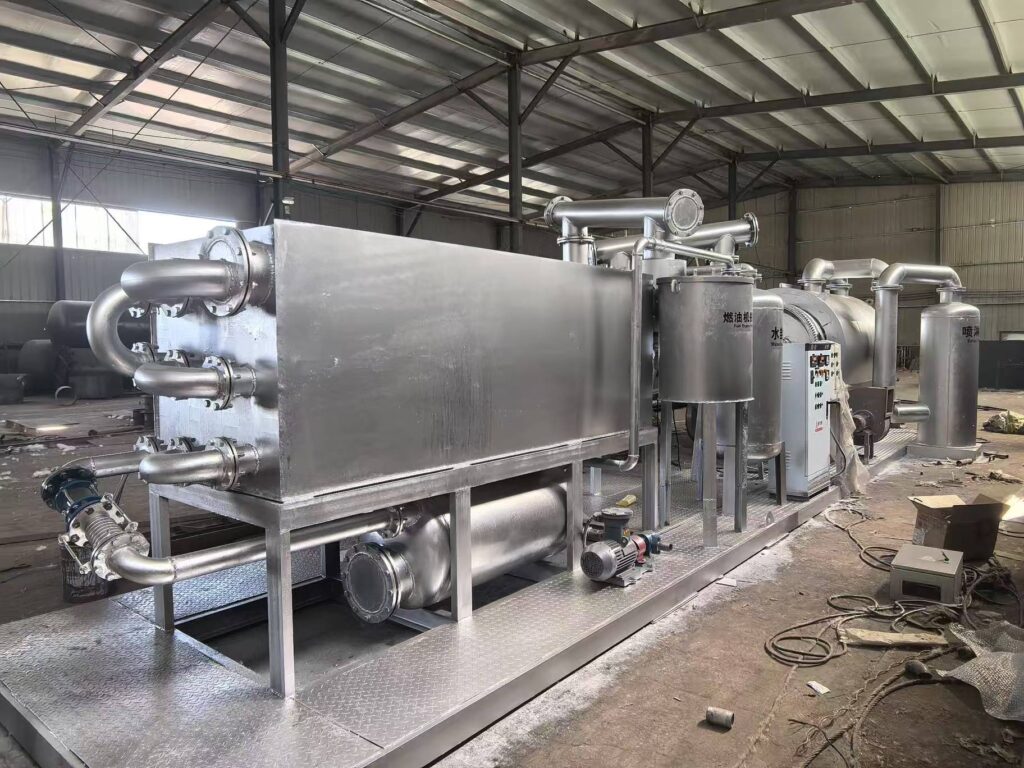
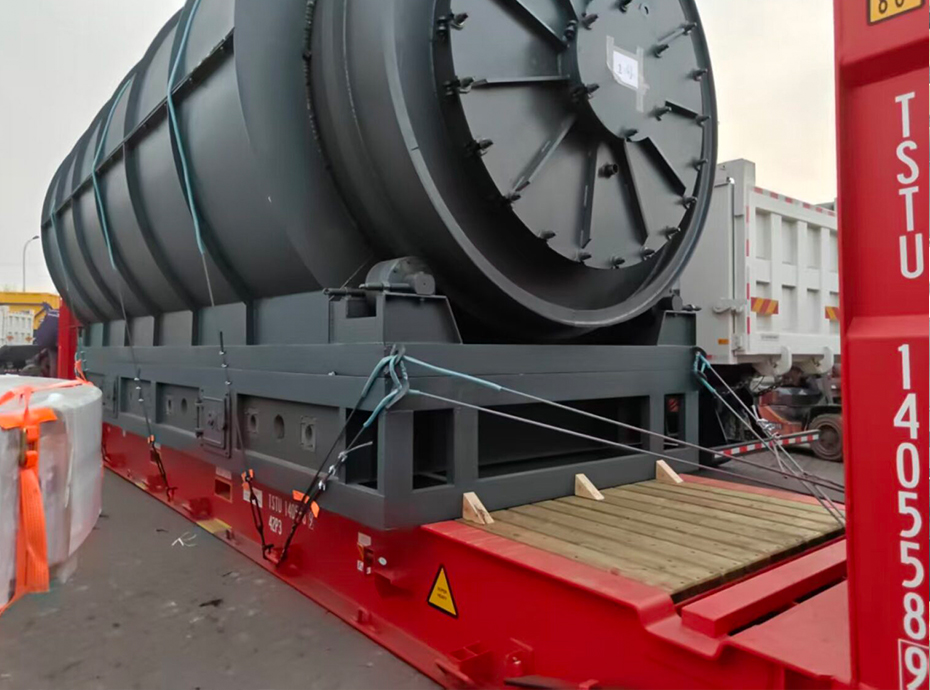
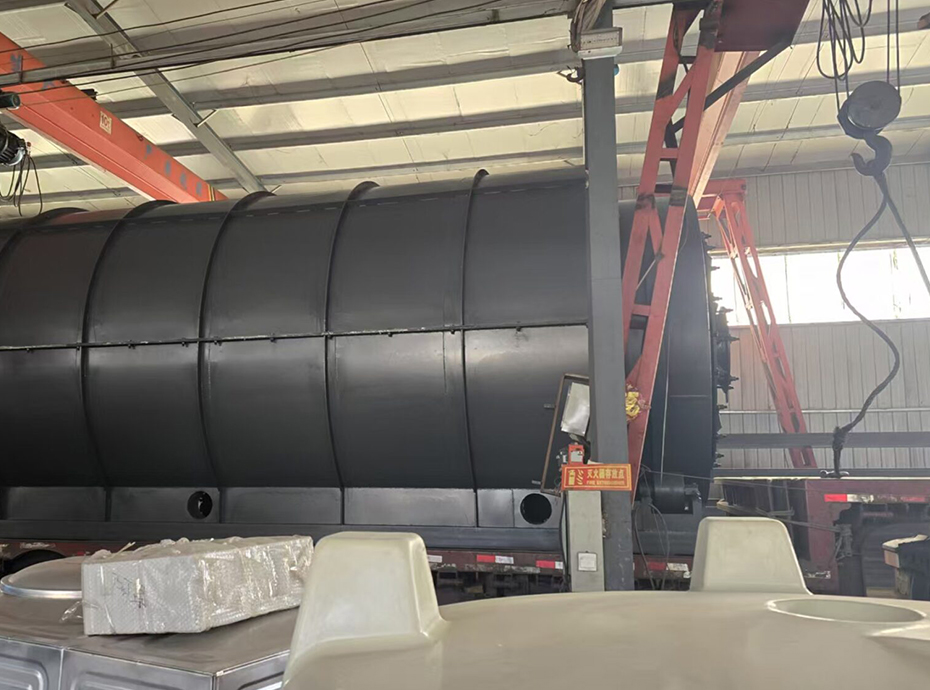
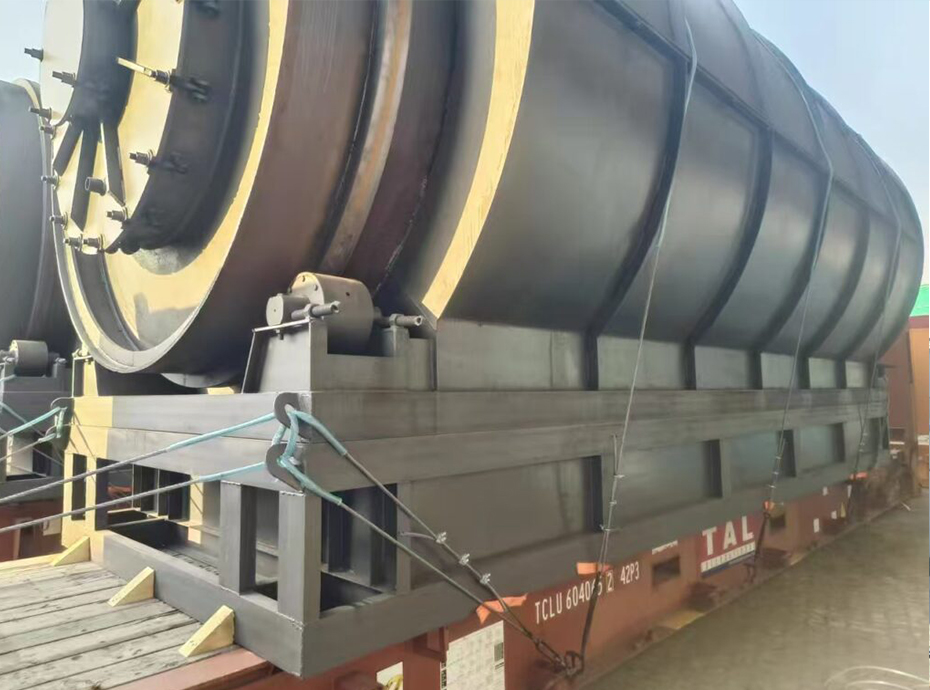
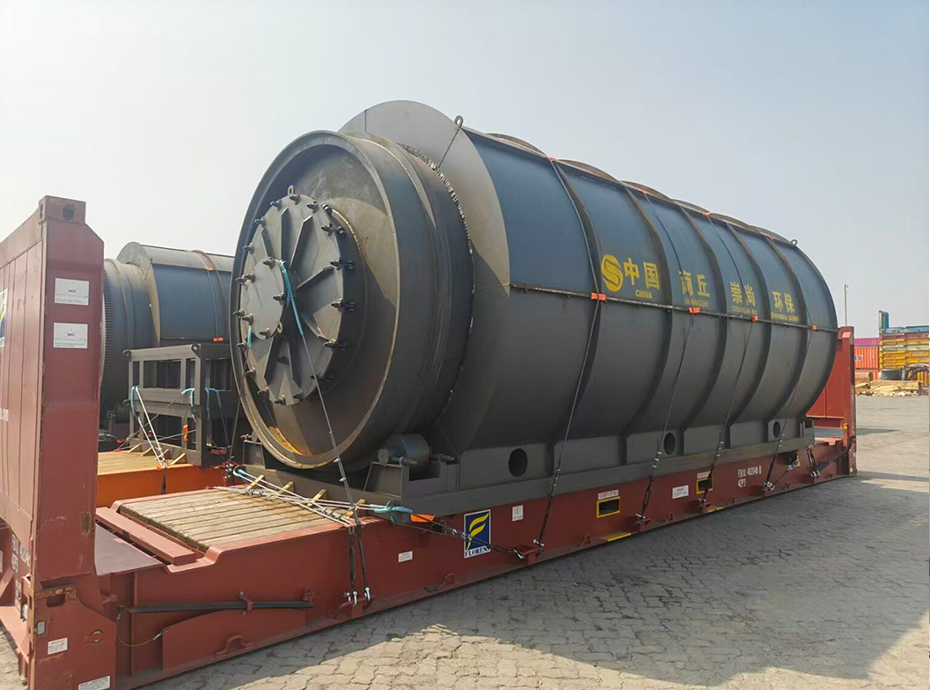
Pyrolysis Kettle Piece 1 Size: Φ2800×8000×δ18, 45.3m³
Material: Q345R
Pressure Reduction Dust Collector Piece 1 Size: Φ900×1500×δ6.0
Shell Material: Q235
Residue Oil Tank Piece 1 Size: Φ600×750×δ5.0
Shell Material: Q235
Damping Sedimentation Tank Piece 1 Shell Size: Φ500×1000×δ5
Shell Material: Q235
Pipe Condenser Set 1 Size: Φ6600*3000*3000*δ5
Shell Material: Q235
Oil Storage Tank Piece 1 Size: Φ1500×4500×δ5
Material: Q235
Water Seal Piece 2 Size: Φ900×1900×δ5
Shell Material: Q235
Raw Material Bin Piece 1 Size: 1500×1500×2000×δ2.5
Shell Material: Q235
Raw Material Conveyor Piece 1 Size: 3200×600×2500
Power: 2.2kw, Capacity 15m³/h
High Temperature Automatic Feeder Piece 1 Size: Φ425×3500
Power: 7.5kw, Feeding Capacity 15m³/h
High Temperature Sealed Slag Discharger Piece 1 Size: Φ425×2900×δ10.0
Power: 7.5kw, Slag Discharge Capacity 3m³/h
High Temperature Carbon Residue Auger Piece 1 Size: Φ325×6000
Power: 15kw, Conveying Capacity 3m³/h
Carbon Residue Storage Tank Piece 1 Size: Φ1500×2500×δ5
Material: Q235
Natural Gas Burner Piece 4 Flow Rate: 30~50m³/h
Desulfurization Dust Removal Tower Piece 2 Size: Φ900×4500×δ5.0
Material: 304 Stainless Steel
Activated Carbon Adsorption Box Piece 1 Size: 4300*1200*1300
Material: Q235B Spray Plastic
Features: 12 Drawers
Flue Gas Cooler Piece 1 Size: 6600*1200*1300*5mm
Material: Q235B
Electrical Control Cabinet Piece 1 Power Parameters: Determined by equipment location
Intelligent Digital Display Alarm, Manual Alarm Reset

Key Technical Features

Our plastic into fuel machine integrates industrial-grade technical designs to ensure efficient, stable, and compliant operation, with core features rooted in engineering practicality and performance optimization:
 
  • Fully automated PLC control: Adopts professional PLC control system to automatically regulate key parameters (temperature, pressure, feeding/discharging speed), realizing precise process control and reducing human error—ensuring consistent product quality and operational safety.
  • Continuous or batch operation options: Supports both continuous (24/7 uninterrupted work for large-scale demand) and batch (flexible processing for small-to-medium volume) modes, adapting to diverse project scales and waste supply characteristics.
  • Heat recycling system: Integrates syngas recovery and flue gas heat utilization, reusing waste heat and non-condensable gas as reactor heating fuel—lowering external energy consumption by 30–40% and improving overall energy efficiency.
  • Stable reactor temperature control: Equipped with dual-temperature sensing and automatic heating adjustment modules, maintaining reactor temperature within 450–650℃ with fluctuation ≤±5℃—guaranteeing complete plastic decomposition and stable output.
  • Long service life reactor material: The reactor is made of Q345R high-strength steel (or 316L stainless steel for corrosive conditions) with optimized thickness design, resisting high temperature, corrosion, and thermal fatigue—extending service life to 8–10 years under standard operation.
  • Low operating manpower: Thanks to full automation and simplified operation logic, only 2–3 operators per shift are needed to complete monitoring and routine maintenance—reducing labor costs and operational complexity.

Applications of Plastic Into Fuel Machine

Each application scenario leverages the machine’s core advantages of plastic-to-energy conversion, environmental compliance, and resource recycling—addressing specific pain points of different users:

  • Plastic recycling plants

Plastic recycling plants often face challenges with non-recyclable plastics (e.g., contaminated PE/PP/PS) that have no viable disposal routes. This machine converts these low-value wastes into high-usability fuel oil, syngas, and carbon black, expanding revenue streams beyond traditional recycling. It requires minimal preprocessing, integrates seamlessly with existing sorting lines, and meets strict emission standards—solving both waste disposal pressure and profit growth needs.
Pyrolyzable plastics
 
  • Industrial waste management companies

Industrial waste management companies handle large volumes of plastic waste from manufacturing (e.g., packaging scraps, defective products). The machine achieves 80–95% waste volume reduction, minimizing landfill reliance and associated costs. Its ability to generate usable energy (fuel oil for industrial boilers, syngas for self-heating) offsets operational expenses, while closed-loop operation ensures compliance with environmental regulations—turning waste liability into a sustainable profit center.
 
  • Municipal solid waste projects

Municipal solid waste projects struggle with the growing volume of non-degradable plastic waste, which poses landfill and pollution risks. This machine processes mixed plastic fractions from MSW (after basic sorting) into clean energy, aligning with municipal circular economy goals. It reduces plastic pollution, eases landfill capacity constraints, and provides supplementary energy for municipal facilities (e.g., generators, heating systems)—a compliant, scalable solution for urban waste management.
 
  • Industrial parks & energy recovery projects

Industrial parks produce concentrated plastic waste from multiple enterprises, while energy recovery projects seek low-cost, renewable energy sources. The machine enables on-site plastic waste treatment, avoiding cross-transportation costs and pollution. The generated fuel oil and syngas can directly supply park enterprises or feed into energy grids, reducing dependence on fossil fuels. Its flexible operation modes (continuous/batch) adapt to park-scale demand, supporting integrated waste-to-energy ecosystems.
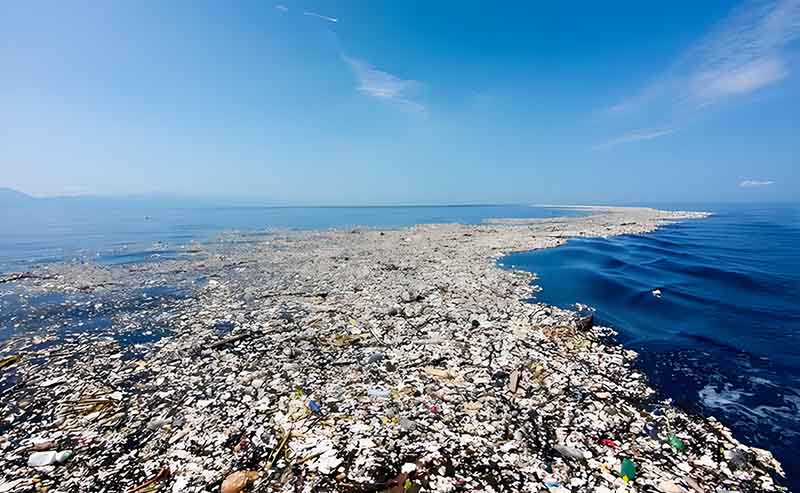
Waste plastics 1
 

Why Choose PyrolysisUnit Plastic Into Fuel Machine

Our plastic into fuel machine stands out for its credibility rooted in experience, global validation, and customer-centric support

  • Years of manufacturing experience: ISO 9001:2015 & CE Certified Manufacturing: Every plastic into fuel machine is produced under ISO 9001:2015 quality management standards and holds CE certification — ensuring international safety, performance, and export compliance from day one.
  • Exported to multiple countries: Our machines are deployed across Asia, Africa, Europe, and the Americas, adapted to local environmental regulations, raw material characteristics, and operational conditions—proven compatibility with global markets.
  • Proven industrial installations:Documented Global Projects: Machines deployed in 10+ countries including Malaysia, Vietnam, Ghana, Congo, and Cambodia — with full project case studies available covering batch, semi-continuous, and continuous configurations across different waste plastic sources.
  • Engineering support & commissioning: As a direct manufacturer, we provide end-to-end engineering services—including customized layout design, on-site commissioning, operator training, and technical guidance. Our global engineering team ensures smooth project launch and operation.
  • Compliance-oriented design: Every machine is engineered to meet international environmental standards (e.g., EU ETS, US EPA, REACH) and local emission regulations. Closed-loop systems, multi-stage purification, and compliant documentation eliminate operational risks related to non-compliance.

PyrolysisUnit Global Case Studies

See How Waste Plastic Is Converted Into Fuel Oil — Factory Demo Video

    FAQ about Plastic Into Fuel Machine

    For daily plastic waste volumes under 5 tons, we recommend the Small Pyrolysis Machine (3–5 T/day, ~20 kW, mobile design). It requires only 50–80 m² of floor space and includes a water-seal gas recycling system — making it suitable for small workshops, community recycling stations, and pilot projects. Oil yield is 40–75% depending on plastic type. If your volume is under 2 tons/day, the 1-ton batch unit is the more cost-effective entry point. Contact us with your daily waste volume and we'll confirm the right fit.

    1. Processing Capacity

    • Small-scale: 100–500 kg/day

    • Medium-scale: 1–10 tons/day

    • Large-scale: 20+ tons/day

    2. Heating Methods

    • Direct heating

    • Indirect heating (thermal oil, gas-fired, or jacket heating)
      Indirect systems offer better stability, higher efficiency, and cleaner oil output.

    3. Feeding Method

    • Manual feeding (for small operations)

    • Automatic feeding (for film, flakes, and continuous plants)

    4. Operating Mode

    • Batch type: low cost, simple

    • Semi-continuous: higher efficiency

    • Fully continuous: stable, low labor, ideal for large factories

    5. Reactor Design

    • Horizontal reactor

    • Vertical reactor

    • Rotary reactor (better heat transfer, higher oil yield)

    6. Emission & Environmental Systems

    • Condenser system (affects oil yield)

    • Flue gas purification system

    • Syngas recycling system (saves fuel)

    7. Applicable Waste Types

    • PP, PE, mixed plastics

    • Whether the machine produces industrial fuel oil or higher-grade oil

    Yes, pyrolysis reactors can convert plastic waste into fuel.

    Through high-temperature, oxygen-free heating, plastics like PP, PE, PS break down into:

    • Pyrolysis oil (used as industrial heating fuel or refined into diesel)

    • Non-condensable gas (can be reused to heat the reactor)

    • Solid carbon/char

    This makes pyrolysis one of the most efficient methods for transforming waste plastic into usable energy.

    1. Plastics Suitable for Pyrolysis

    Plastic TypeFull NamePyrolysis Performance
    PPPolypropyleneHigh oil yield, clean cracking
    HDPE/LDPEPolyethyleneVery high oil yield, stable process
    PSPolystyreneProduces high-quality liquid fuel
    ABSAcrylonitrile Butadiene StyreneGood conversion rate
    Mixed PolyolefinsPP + PE blendsCommon and efficient feedstock

    2. Plastics to Avoid

    Plastic TypeReason
    PVCReleases corrosive HCl gas, damages equipment
    PETLow oil yield, forms sticky residue
    PCMay release toxic compounds
    Halogenated PlasticsProduce harmful gases and corrosion
    Painted/Metal-Coated PlasticsContaminate the oil and reactor

    3. Contaminants to Avoid in Feedstock

    ContaminantWhy It Should Be Removed
    PVC piecesCorrosion, toxic gas
    Metals (wires, nails)Damage feeding & reactor
    Soil, sand, stonesReduce heat efficiency, cause wear
    Water/moistureCreates steam and reduces oil yield
    Food/organic wasteCauses char and sludge build-up
    Paper, wood, textilesReduce fuel quality
    Scroll to Top