

Planning a pyrolysis plant in Pakistan requires more than choosing a reactor with the required daily capacity. Before ordering equipment, project developers need to confirm that suitable feedstock is available, the proposed site can accommodate the complete process, the recovered products have realistic outlets, and the project can satisfy the applicable environmental and operating requirements.
These considerations are particularly important for waste-tire and plastic pyrolysis projects. Feedstock composition, collection logistics, emissions controls, industrial land use, and provincial environmental approval can all influence whether a proposed plant is suitable for its intended location.
This guide focuses on the practical steps for assessing a pyrolysis project in Pakistan, from defining the waste stream to preparing for regulatory review, equipment selection, and commissioning. It is intended to help investors and industrial operators identify the questions that should be answered before committing to a machine or site.
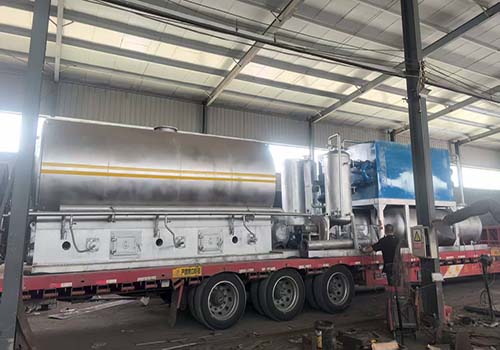
Important Regulatory Considerations for Pyrolysis Plants in Pakistan
Environmental authorization should be part of the initial project assessment, not a task postponed until the equipment has arrived. The applicable requirements depend on the project location, its classification, the feedstock being treated, the proposed process, and the responsibilities of the relevant environmental authority.
Recent development in Sindh: On 14 September 2026, the Sindh Environmental Protection Agency (SEPA) announced that it had shut down 13 tyre pyrolysis units in the Keamari and Malir districts for environmental regulatory violations. The announcement also described plans for wider inspections across the province. This is a specific enforcement action in Sindh, not evidence of a nationwide ban on all pyrolysis plants.
For developers considering a tyre pyrolysis project in Karachi or elsewhere in Sindh, this makes it especially important to establish the applicable approval pathway, permitted site use, emissions-control requirements, and inspection obligations before placing an equipment order. Read the official SEPA announcement on tyre pyrolysis enforcement.
Pakistan’s federal environmental resources also list the IEE/EIA review regulations and National Environmental Quality Standards, along with links to relevant provincial environmental departments and agencies. Start with the official Pakistan Environmental Protection Agency rules and environmental standards, then confirm the requirements with the authority responsible for your actual project location.
Which Feedstock Should a Pakistan Pyrolysis Project Process?
The most appropriate equipment depends on the material to be treated. Waste tires, mixed plastic waste, agricultural residues, and oil sludge do not have interchangeable processing requirements. A machine described as suitable for several waste categories still needs to be checked against the composition and condition of the actual feedstock.
Waste Tires
For end-of-life tire projects, the first task is to establish a dependable supply of tires in the required condition. Collectors, transport companies, tire retailers, fleet operators, and other local sources may contribute to a supply network, but the quantity available to the project must be verified rather than estimated from national waste figures alone.
Record the expected weekly volume, tire types, contamination, delivered condition, transport distance, and seasonal variation. Confirm how the proposed plant will handle tire loading, steel wire recovery, char discharge, dust, and storage. If tires are shredded before processing, account for the required preparation equipment and the handling of the separated materials.
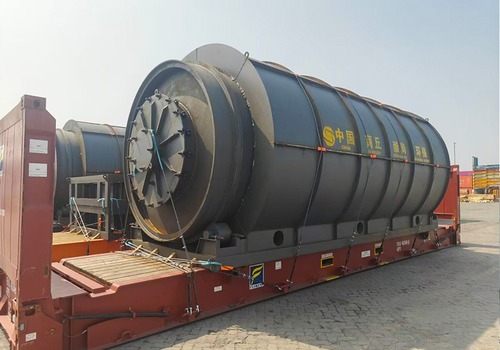
For a project based on end-of-life tires, review the available batch pyrolysis plant configurations and the continuous pyrolysis plant options. Confirm the approved feedstock range and actual supply scope for the selected model.
Waste Plastics
Plastic waste needs to be assessed by polymer type, contamination, moisture, additives, and consistency. A supply described simply as “mixed plastic” may contain very different materials from one delivery to the next, which can affect operating stability, product composition, corrosion risk, and emissions treatment.
Where oil recovery is the objective, identify the proportions of polyethylene (PE), polypropylene (PP), polystyrene (PS), PVC, PET, and other materials where practical. Chlorine-containing feedstocks require particular attention because thermal processing can produce corrosive compounds. PET and highly mixed or contaminated plastics should not automatically be treated as equivalent to a suitable, polyolefin-rich feedstock.
Before selecting a pyrolysis machine, ask the supplier to define the feedstock acceptance criteria and any required sorting, washing, drying, or size-reduction stages. Do not base a purchase decision on an oil-yield percentage without knowing which material was used to establish it.
Agricultural and Biomass Residues
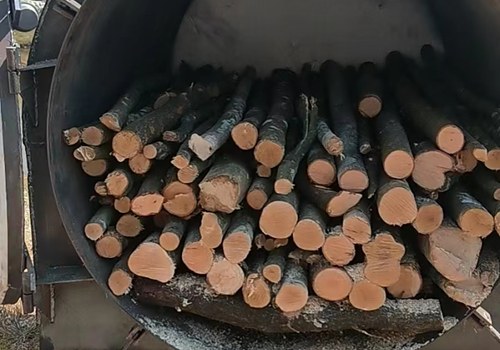
Pakistan’s agricultural sector produces a range of residues, but this does not mean that every residue stream is an appropriate feedstock for a tire- or plastic-focused pyrolysis line. Straw, wood waste, shells, husks, and other biomass materials can differ significantly in moisture, ash, bulk density, and handling behavior.
For biomass projects, establish the quantity that can actually be collected during the operating season, the storage conditions, the target moisture content, and the distance from farms or processing sites. The intended output also matters: a project designed to produce a solid char product may require a different process configuration and quality assessment from an oil-focused waste-plastic system.
See the biomass pyrolysis plant range if the main feedstock is agricultural or forestry residue.
Oil Sludge and Other Industrial Residues
Oil sludge and industrial residues should be evaluated individually because their water content, mineral matter, sulfur, halogens, metals, and other contaminants may influence equipment materials, process design, product handling, and residual-waste management.
Before accepting an industrial residue, obtain available material safety information, laboratory results, and details about its origin. Confirm its legal status and the applicable requirements for storage, transport, treatment, and final disposal. A machine manufacturer’s general statement about feedstock compatibility is not a substitute for a project-specific material assessment.
How Provincial Requirements Affect Project Planning
Pakistan’s environmental approval process should not be treated as a single checklist that automatically applies to every location. Before finalizing a site, identify the authority with jurisdiction over the proposed plant and determine which environmental assessment, approvals, monitoring, and operating conditions apply to the project’s activity and location.
| Proposed Location | Initial Compliance Step | What to Confirm |
|---|---|---|
| Sindh, including Karachi | Contact SEPA and the relevant local land-use or industrial-estate authority. | Environmental approval route, emissions requirements, site suitability, inspection conditions, and required monitoring. |
| Punjab | Contact the applicable provincial Environmental Protection Department and local planning authority. | Project classification, required environmental assessment, applicable emissions and waste conditions, and land-use permission. |
| Islamabad Capital Territory | Confirm the applicable process with Pakistan EPA and the relevant local authority. | Environmental assessment requirements, industrial land-use restrictions, monitoring, and any additional approvals. |
| Khyber Pakhtunkhwa or Balochistan | Contact the relevant provincial environmental agency and site-planning authority. | Applicable assessment procedures, emissions conditions, waste-management requirements, and project-specific approval conditions. |
| Azad Jammu and Kashmir or Gilgit-Baltistan | Identify the competent environmental and land-use authorities for the specific site. | The applicable regional framework, site restrictions, environmental assessment, and operating conditions. |
This table is an initial contact guide, not a substitute for current legal advice or a formal determination by the competent authority. The project team should obtain written confirmation of the applicable approval route before treating the site or process design as final.
Choosing a Suitable Industrial Site in Pakistan
A technically suitable reactor can still be a poor project choice if the site lacks access to feedstock, utilities, product buyers, or suitable transport routes. Site selection should consider the whole operating chain, including incoming waste, the equipment layout, emission-control equipment, product storage, and the management of residual materials.
Industrial Land Use and Surrounding Communities
Confirm that the proposed plot permits the intended industrial activity. Review the distances and transport routes between the facility and nearby homes, schools, commercial areas, sensitive environmental locations, and other activities that could be affected by emissions, noise, traffic, or odor.
Do not rely on distance alone. A site assessment should consider local conditions, prevailing winds where relevant, access for inspection, safe vehicle movements, stormwater drainage, emergency access, and the space needed for the complete pollution-control system.
Feedstock Delivery and Product Transport
Map the principal feedstock sources and establish a realistic delivery schedule. For tire and plastic projects, consider whether waste arrives loose, baled, shredded, or mixed with unwanted materials. Confirm how incoming deliveries will be weighed, inspected, recorded, and rejected if the material fails the agreed acceptance criteria.
Also identify the likely destinations for recovered oil, carbon-rich solids, steel, or other outputs. A site located conveniently for waste collection may still be unsuitable if the product storage, loading, or transportation requirements cannot be accommodated.
Utilities, Fire Safety, and Secondary Waste
Document the available power supply, heating-fuel options, cooling-water arrangements, water supply, drainage, and maintenance facilities. Check the capacity and reliability of utilities under the proposed operating schedule, rather than assuming that nearby infrastructure can support the plant without upgrades.
The layout should also account for safe storage of combustible materials, fire protection, equipment isolation, emergency shutdown access, gas handling, and the safe management of collected dust, wastewater, and other residual streams. These design details should be reviewed with appropriately qualified engineering and safety personnel.
How to Select a Pyrolysis Plant Configuration
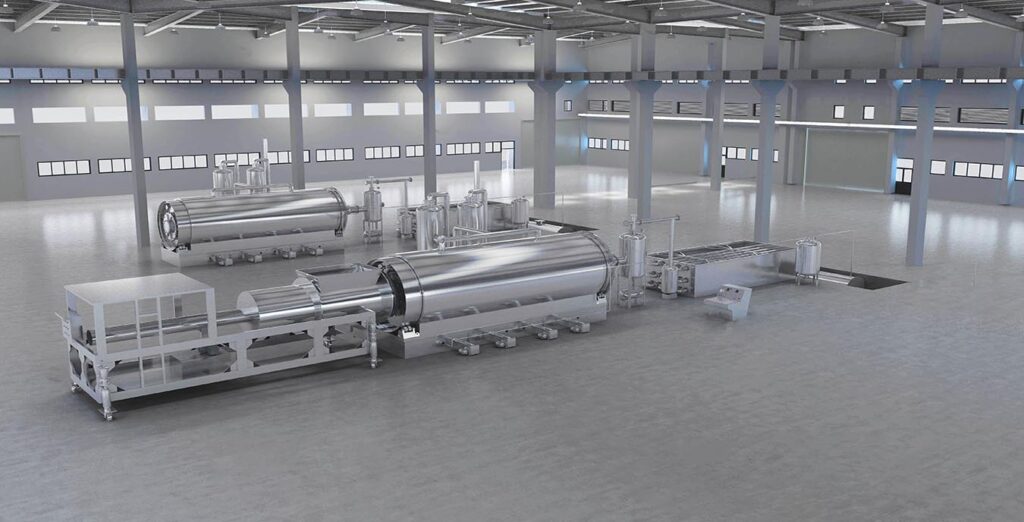
The required processing schedule should determine the equipment configuration. Capacity alone is not sufficient to choose between batch, semi-continuous, and continuous systems. Their feeding, discharging, labor, maintenance, storage, and utility requirements need to be considered together.
| Configuration | Questions for a Pakistan Project |
|---|---|
| Small-scale system | Is the material supply sufficient for regular operation, and can the site accommodate safe loading, cooling, discharge, and product storage? |
| Batch system | Can the site manage loading and unloading cycles, cooling intervals, temporary feedstock storage, and the labor required for each operating cycle? |
| Semi-continuous system | How are feed delivery, process continuity, intermediate storage, maintenance, and discharge coordinated? |
| Continuous system | Can the supply chain maintain consistent feedstock quality and throughput, and can the site support automated material handling, routine maintenance, and downstream product storage? |
Review the small pyrolysis machine, batch pyrolysis plant, semi-continuous pyrolysis system, and continuous pyrolysis plant options.
These pages describe equipment categories, not automatic confirmation of suitability for a specific site in Pakistan. Before ordering, ask the supplier to confirm the precise feedstock limits, rated feed capacity, auxiliary equipment, emissions-control scope, utility demand, and installation responsibilities for the proposed model.
What to Verify Before Requesting a Quotation
A useful technical proposal begins with an accurate project brief. Prepare the following information before sending an inquiry to PyrolysisUnit or another equipment supplier.
- Project location: city, province or territory, proposed industrial plot, and final delivery destination.
- Feedstock source: waste tires, specific plastic types, biomass, oil sludge, or another defined material.
- Supply quantity: average and peak daily tonnage, expected operating days, collection arrangements, and seasonal variability.
- Feedstock condition: moisture, contamination, particle size, composition, and any available laboratory analysis.
- Target outputs: the intended product streams, the downstream user’s acceptance requirements, and any quality tests required.
- Site utilities: power, heating fuel, cooling, water, drainage, workshop access, and storage capacity.
- Environmental requirements: confirmed approval pathway, emission limits applicable to the project, monitoring obligations, and residual-waste management.
- Supply boundary: equipment-only supply or a broader package including pretreatment, pollution control, installation supervision, commissioning, training, and spare parts.
Ask each supplier to identify assumptions and exclusions in writing. Two quotations should not be compared solely by the reactor price if one includes the necessary auxiliary systems and the other leaves them for the buyer to source separately.
For a deeper explanation of manufacturer selection and supplier verification, see our guide to top pyrolysis equipment manufacturers and the article on how to find quality pyrolysis plant manufacturers.
How to Budget for a Pyrolysis Project in Pakistan
The total project budget should cover more than the equipment quotation. The full scope can include site preparation, civil works, utility connections, feedstock preparation, exhaust treatment, product storage, transport, import-related charges where applicable, installation, commissioning, testing, and initial operating requirements.
For an imported machine, confirm the agreed delivery terms and identify who is responsible for export packing, shipping, insurance, port handling, customs clearance, inland transport, and any duties or taxes applicable to the transaction. These items should be checked against current local requirements rather than estimated from a generic percentage.
Environmental controls and monitoring are part of the project scope, not merely optional features. If the required system cannot demonstrate compliance with the applicable conditions, a lower equipment price may not translate into a workable installation.
For a detailed discussion of capital and operating costs, read our separate pyrolysis plant cost guide. This Pakistan-focused article concentrates on preparing the local project and confirming its requirements rather than presenting unsupported price or payback estimates.
Product Quality and Buyer Acceptance in Pakistan
A recovered product should not be considered commercially acceptable simply because the equipment produces it. Before finalizing the process design, identify the intended customer or downstream use and determine which product properties must be tested.
For recovered oil, confirm the buyer’s specifications and whether the material requires additional treatment before the proposed use. Do not assume that pyrolysis oil is automatically equivalent to road diesel or another finished petroleum fuel.
For carbon-rich solids, recovered steel, and other residual materials, establish the quality requirements and the handling or disposal route. A business plan based on selling every output should not be approved until the relevant specifications and buyer acceptance conditions have been checked.
Where the output quality is central to the project’s objectives, request representative trials or agreed performance testing with the intended feedstock. The test should define the sampling method, operating conditions, measurement basis, acceptance limits, and the responsibilities of the equipment supplier and project owner.
Commissioning a Pyrolysis Plant: What Should Be Demonstrated?
Commissioning should verify the actual installation, not simply show that the reactor can be heated. Agree on written acceptance criteria before ordering equipment so that the project team knows which measurements and records will be required.
- Equipment completion: Confirm the supplied components, installation, instrumentation, control functions, and safety devices against the approved scope.
- Feedstock performance: Test with material representative of the agreed feedstock specifications and verify the defined processing conditions.
- Material accounting: Record the input and recovered streams on a clearly stated basis, including relevant residues and losses.
- Environmental checks: Complete the emission or other monitoring tests required by the project approvals using the specified methods and qualified testing personnel.
- Operating handover: Confirm operator training, maintenance instructions, spare parts, documentation, and procedures for faults or emergency shutdowns.
Do not rely on a general claim that the plant meets environmental requirements in every country. The supplier should identify the equipment provided, while the project owner must confirm that the installed facility meets the requirements applicable to the selected Pakistan location.
Frequently Asked Questions About Pyrolysis Plants in Pakistan
Are pyrolysis plants banned in Pakistan?
The September 2026 enforcement action in Sindh concerned 13 tyre pyrolysis units that SEPA said were operating in violation of environmental regulations. It should not be interpreted as a blanket nationwide ban. Project developers must confirm the current requirements for their specific province, site, process, and feedstock.
Which feedstock is best for a pyrolysis plant in Pakistan?
There is no universally best feedstock. The decision depends on the dependable quantity available near the proposed site, material composition, transport cost, preparation requirements, intended recovered products, and applicable environmental conditions. Tires, plastics, biomass, and oil sludge require separate technical assessments.
Do I need environmental approval before installing pyrolysis equipment?
The applicable assessment and approval requirements depend on the project classification, location, and relevant regulations. Contact the competent environmental authority and obtain confirmation of the required pathway before committing to the site or equipment. Do not assume that a supplier’s standard emissions system automatically secures local approval.
Should I choose a batch or continuous pyrolysis plant?
Base the decision on the feedstock supply schedule, material consistency, required throughput, operating staff, process arrangement, maintenance requirements, storage capacity, and site conditions. A continuous system is not necessarily the best choice if the feedstock supply cannot support stable operation.
Does pyrolysis oil automatically meet diesel standards?
No. Product composition varies with feedstock and process conditions. Whether recovered oil is suitable for a particular application depends on testing, any required upgrading, the buyer’s specifications, and applicable regulations.
Discuss Your Pyrolysis Plant Project in Pakistan
A workable pyrolysis project in Pakistan starts with a defined feedstock, a suitable industrial site, a confirmed environmental approval pathway, and clear product acceptance requirements. Equipment selection should follow these project conditions rather than rely on generic yield figures, national waste estimates, or unverified payback claims.
Prepare your project location, feedstock type, expected daily supply, available material analysis, desired outputs, and intended supply scope before requesting a technical proposal. This helps focus the review on the equipment and environmental-control requirements that matter to your site.
Explore the PyrolysisUnit pyrolysis equipment range or contact PyrolysisUnit to discuss your Pakistan project.