

Lube Oil Recycling Plant
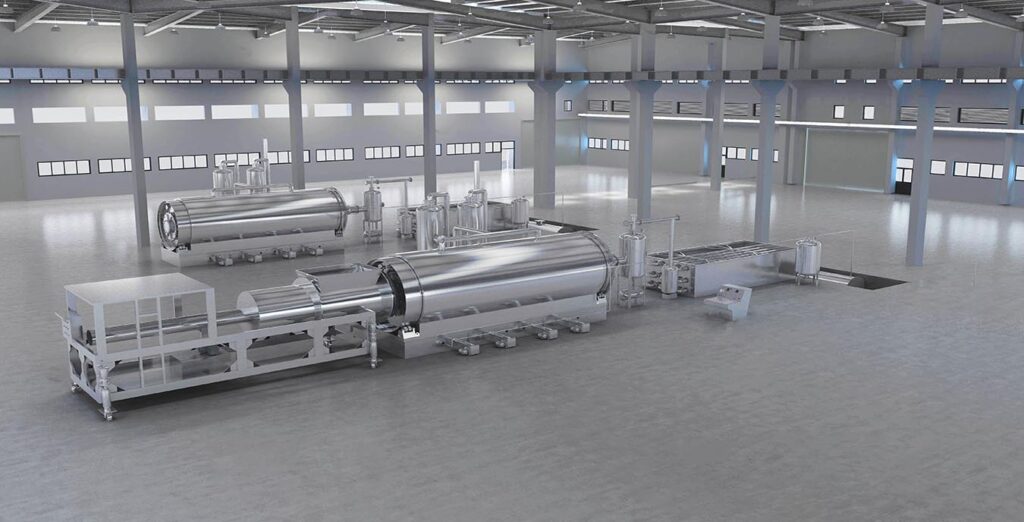
Lube Oil Recycling Plant is an industrial distillation system designed to convert used lubricating oil, engine oil, and industrial waste oil into reusable base oil and diesel fuel.
Using dehydration, vacuum distillation, and impurity removal, it recovers 60–75% base oil and 10–20% diesel from waste oil, allowing factories, oil collectors, and workshops to turn hazardous waste into profitable fuel and lubricant products.
What Is a Lube Oil Recycling Plant?
What Can a Lube Oil Recycling Plant Process?
Feedstock | Output |
|---|---|
Used engine oil (waste motor oil) | Base oil (API Group I/II), diesel (industrial grade) |
Hydraulic oil (waste hydraulic oil) | Base oil (high purity, applicable to re-refined lubricating oil production) |
Gear oil (waste gear oil) | Base oil (with good viscosity index, suitable for gear oil regeneration) |
Industrial lubricants (waste compressor oil, turbine oil, cutting oil) | Fuel oil (for industrial boilers, generators) or low-grade base oil |
Oily sludge (oil-containing sludge from lubricating oil production/use process) | Diesel (recoverable oil), solid residue (detoxified, usable as building material additive) |
How Does a Lube Oil Recycling Plant Work?
Step 1: Waste Oil Feeding
Step 2: Dehydration
Step 3: Vacuum Distillation
Step 4: Condensation
Step 5: Base Oil Separation
Step 6: Residue Discharge
Output & Yield
- Base oil: 60–75%: Taking used engine oil (the most common raw material) as an example, 1 ton of qualified used engine oil can produce 0.6–0.75 tons of refined base oil. The yield varies slightly according to the quality of the raw material (higher yield for waste oil with low impurity content). Our refined base oil has a high market value, and the selling price is 60–80% of that of new base oil—far higher than that of ordinary fuel oil.
- Diesel: 10–20%: During the distillation process, 0.1–0.2 tons of industrial diesel can be produced per ton of used engine oil. The diesel has good combustion stability (cetane number ≥45) and can be directly used in engineering machinery, industrial boilers, and generators, or sold to the industrial fuel market.
- Residue: 10–15%: The residue accounts for only 10–15% of the raw material. It is mainly asphalt and carbon residue, which have stable quality and broad market demand. For example, asphalt can be used in road construction and waterproof materials, and carbon residue can be used as fuel or raw material for Pyrolysis char production—creating additional economic benefits.
Technical Specifications
| System | Main Furnace System | PUHB-7 | Quantity | Specification Model | Characteristics | Remarks |
|---|---|---|---|---|---|---|
| Main Furnace | Pyrolysis Main Furnace | Unit | 1 | 2600*7700 | 16mm | Q345R |
| Circular Door | Set | 1 | 1500 | 16mm | Q345R | |
| Insulation Shell | Set | 2 | Matching main furnace | Assembly | ||
| Main Furnace Base | Set | 1 | Matching main furnace | Assembly | ||
| Furnace Door Bolts | Set | 19 | Matching main furnace | Precision Part | ||
| Furnace Chamber | Set | 1 | Matching main furnace | Assembly | ||
| Support Roller | Piece | 4 | Matching main furnace | Rod Bearing | Standard Part | |
| Transmission | Custom Gear Ring | Piece | 1 | Matching main furnace | Standard Part | |
| Variable Speed Motor | Unit | 1 | Matching system | 7.5kw | Standard Part | |
| Pulleys (Large/Small) | Set | 1 | Matching reducer | Standard Part | ||
| Reducer | Unit | 1 | 500 | 7.5KW | Cast Steel Housing | |
| Sealing System | Gas Outlet | Piece | 1 | 6425 | Standard Part | |
| Graphite Ring | Piece | 10 | φ425 | Standard Part | ||
| Sealing Body | Piece | 1 | φ425 | Assembly | ||
| Bellows Compensator | Piece | 1 | φ425 | 316 Stainless Steel | ||
| Asbestos Packing | Box | 1 | φ425 | Standard Part | ||
| Separation System | Gas Bag | Unit | 1 | φ900x1800 | 6mm | Standard Part |
| Residue Oil Tank | Unit | 1 | Matching gas bag | Assembly | ||
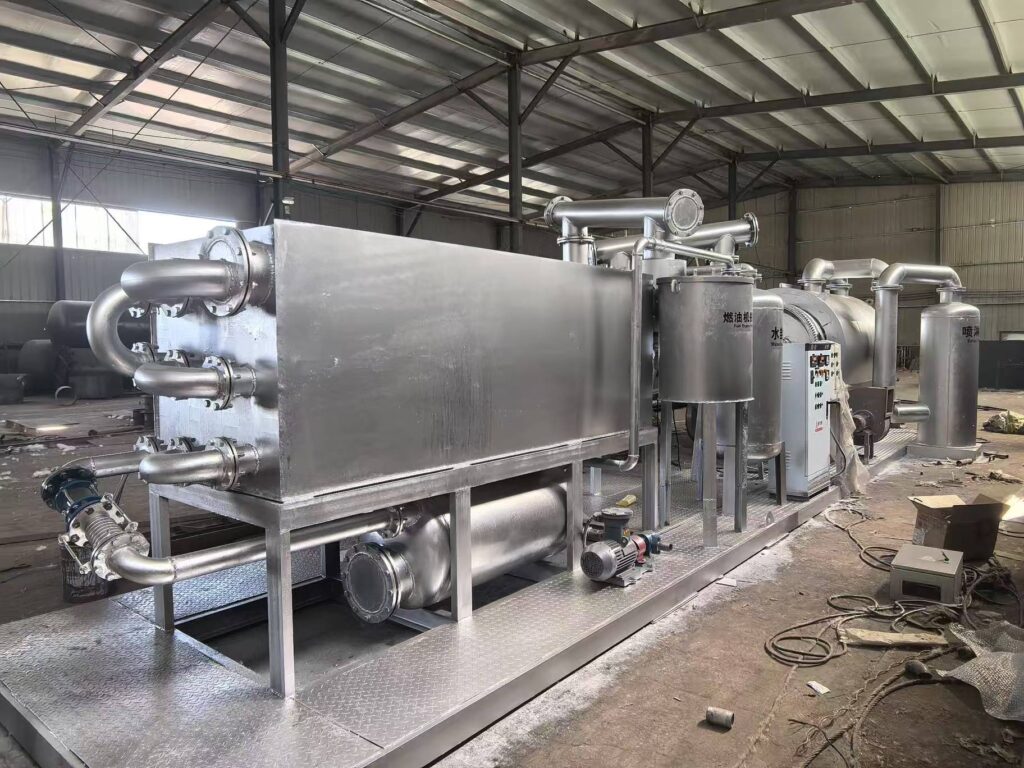
| Condensation System | Tubular Condenser (with Water Tank) | Set | 1 | Matching main furnace | Assembly | |
| Settling Tank | Unit | 1 | φ600x1000 | Standard Part | ||
| Oil Collection Tank | Unit | 1 | 5T | Standard Part | ||
| Oil Pump | Unit | 1 | Matching system | 2.2KW | Explosion-proof | |
| Slag Discharge | Central Slag Discharge Door | Unit | 1 | φ530 | Sealed Discharge | Assembly |
| Slag Discharger | Set | 1 | φ530 | Sealed Discharge | Assembly | |
| Non-Condensable Gas Recycling | Water Seal Tank | Unit | 1 | φ900x1500 | Standard Part | |
| Flame Arrester | Piece | 1 | DN50 | Standard Part | ||
| Waste Gas Burner | Set | 4 | Matching combustion chamber | Standard Part | ||
| Burner Brick | Piece | 8 | Matching burner | Standard Part | ||
| Hose | Set | 4 | Matching burner | Standard Part | ||
| Desulfurization & Dust Removal | Desulfurization Tower | Set | 1 | Matching system | Assembly | |
| Dust Removal Water Pump | Unit | 1 | Matching system | 3.0KW | Stainless Steel Impeller | |
| Induced Draft Fan (with Motor) | Unit | 1 | Y5-47-5C | 5.5KW | Assembly | |
| Fan Damper | Piece | 1 | Matching fan | Standard Part | ||
| Safety System | Explosion-proof System | Set | 1 | Matching system | Standard Part | |
| Instrumentation | System Instruments | Group | 1 | Matching system | Assembly | |
| Control Cabinet | Electrical Control Cabinet | Set | 1 | Matching system | With Speed Controller | Assembly |
| Piping | Pipes & Fittings | Group | 1 | Matching system | Assembly | |
| 3-Stage Heavy Duty Feeder | Pressure Cylinder | Set | 1 | Assembly | ||
| Pusher | Set | 1 | Assembly | |||
| Motor | Piece | 1 | Assembly | |||
| Feeder Frame | Piece | 1 | Assembly | |||
| Feeder Roller | Piece | 1 | Assembly | |||
| Feeder Casters | Piece | 4 | Assembly | |||
| Feeder Adjuster | Piece | 4 | Assembly |
PyrolysisUnit Global Case Studies
15 Ton/Day Waste Tire Pyrolysis Plant Project in Malaysia A Malaysian waste management company specializing
South Korea 3 Ton Solar Panel Pyrolysis Plant Project Project Background South Korea’s booming solar
15 TPD Waste Tire Pyrolysis Plant Project in Ghana, Africa Project Background A Ghanaian recycling
Côte D’ivoire (Ivory Coast) Regarding A 10-Ton-Capacity Distillation Plant Project Background In Côte d’Ivoire, increased
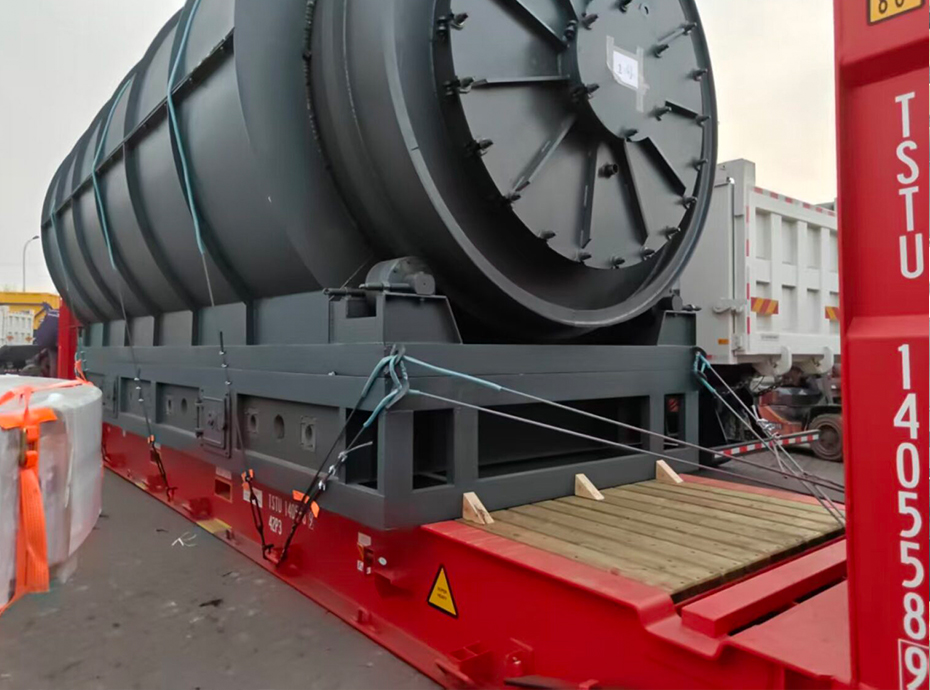
Distillation Equipment Project in Malaysia In February 2026, a waste-tire recycling client based in Johor,
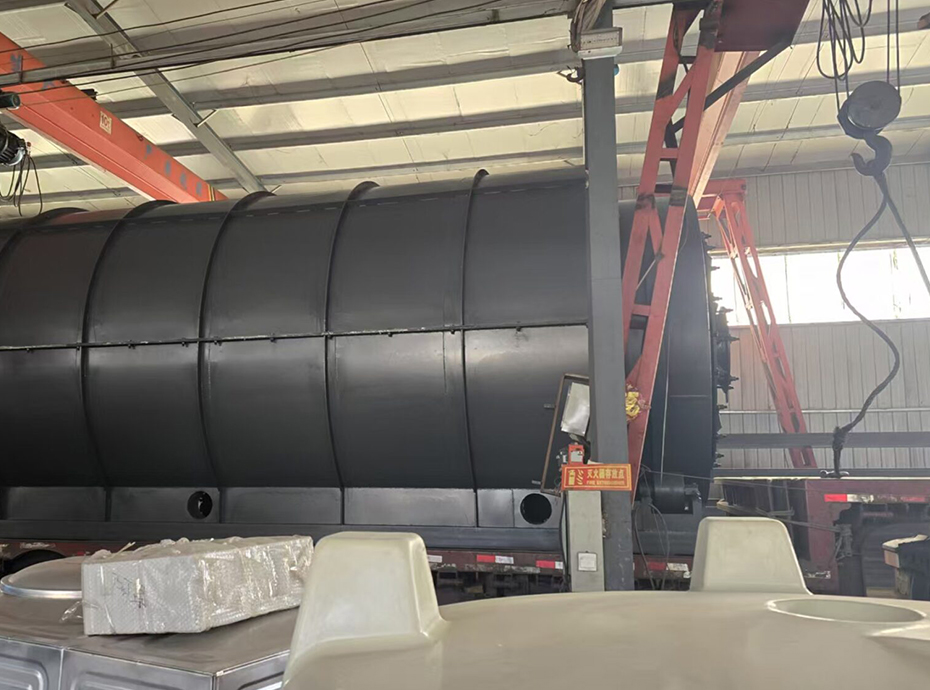
Waste Plastic-to-Fuel Refining Equipment Two Sets of Waste Plastic-to-Fuel Refining Equipment Delivered to Malaysia in
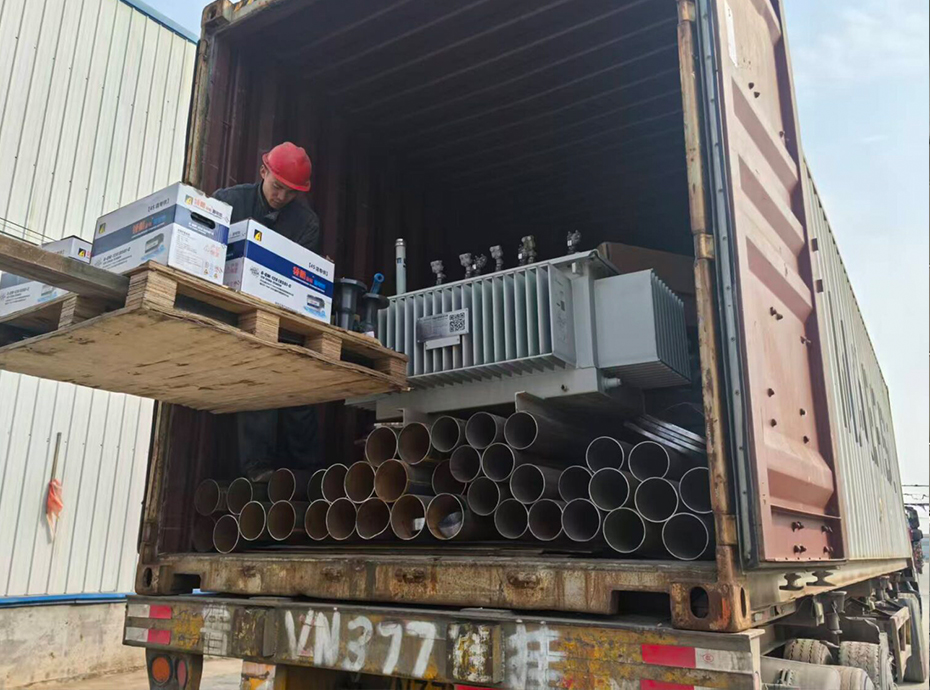
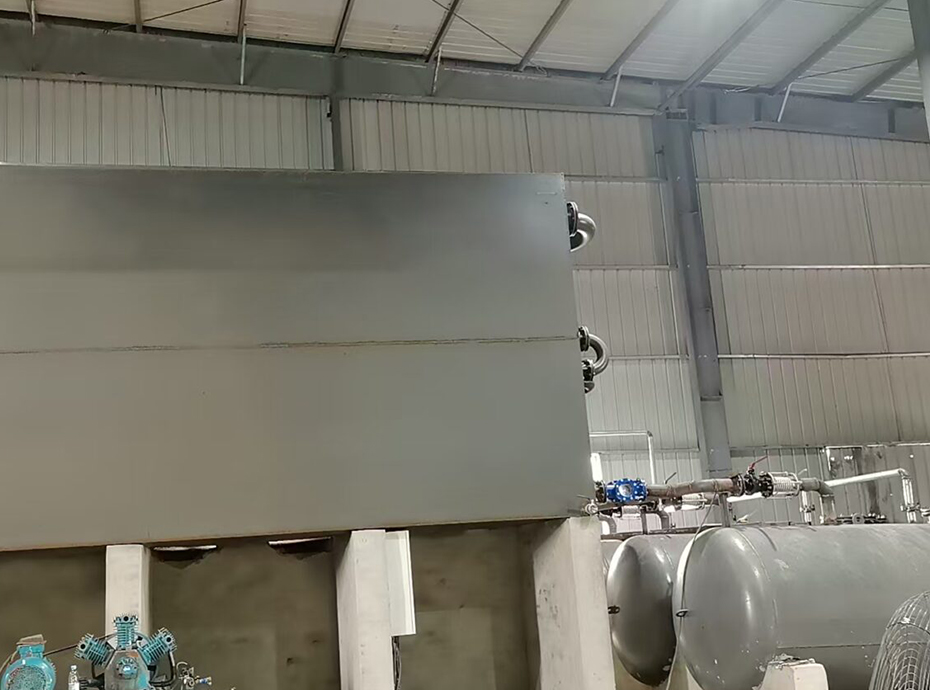
10-Ton-Per-Day Waste Oil Distillation Facility April 2026: 10-Ton-Per-Day Waste Oil Distillation Facility in Phnom Penh,
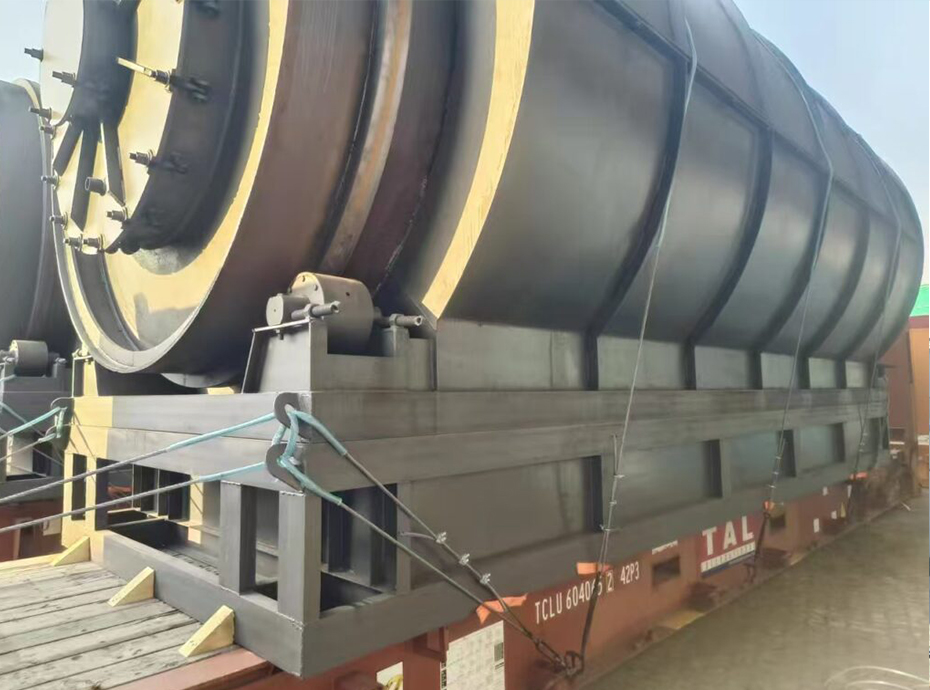
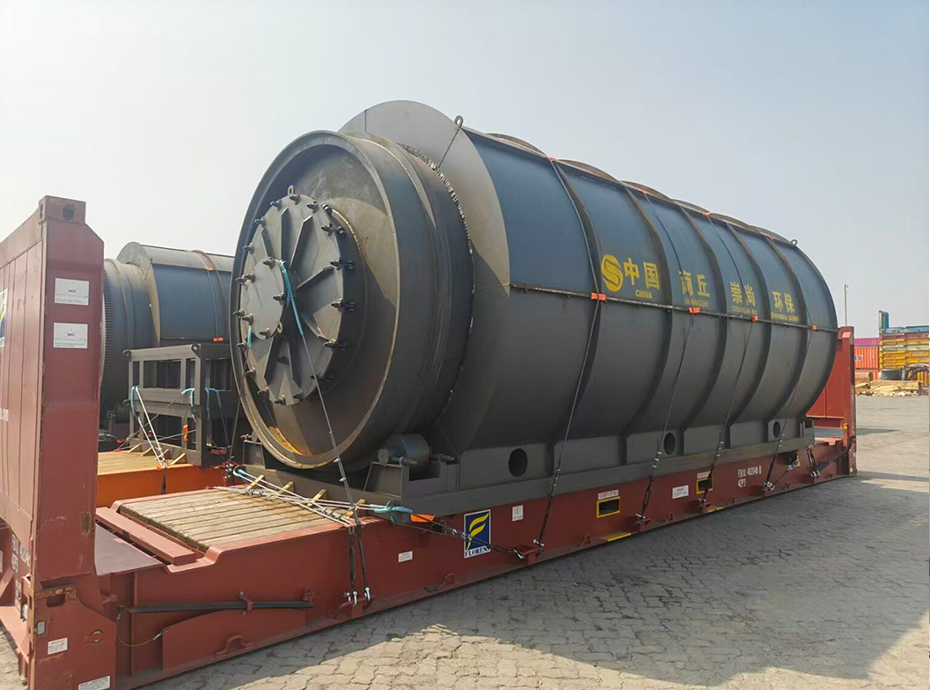
Four Sets Of Waste Tire-To-Oil Pyrolysis Equipment Delivery Of Four Sets Of Waste Tire-To-Oil Pyrolysis
Two Waste Plastic-To-Fuel Pyrolysis Units A Project Involving Two Waste Plastic-To-Fuel Pyrolysis Units Delivered To

Why Choose a Pyrolysis Machine from PyrolysisUnit?
Sales Service
We provide 24/7 online customer support, as well as video-based after-sales technical assistance from our engineers.
1. The steel plate thickness of the main furnace is 18 mm.
2. The interior of the main furnace is fabricated using a spiral double-sided lap-welding process.
3. The external insulation support framework of the main furnace is constructed from 12 mm thick refractory castable and aluminum silicate cotton blocks.
4. All bolts used are Grade 8.8 high-strength bolts.
- 18-Month Warranty
- Pyrolysis Feas. Report
- 24/7 customer service
- ROI Calculation
- EX Certification
- 23Y Equipment R&D
Lube Oil Recycling Plant: Distillation Advantages & Applications
Part 1: Why Vacuum Distillation Is Used
- Better Oil Quality: Vacuum distillation operates under low-pressure conditions (-0.092 to -0.096MPa), which significantly reduces the boiling point of oil fractions. This allows separation of light and heavy fractions at a lower temperature (280–360℃), avoiding thermal cracking of oil molecules that occurs in high-temperature atmospheric distillation. The resulting base oil has a higher purity (≥98%), clearer appearance, and better performance indicators (viscosity index, flash point) that meet API Group I/II standards, making it more competitive in the market.
- No Acid Clay: Traditional lube oil recycling often uses acid clay for decolorization and impurity removal, which not only increases processing costs but also reduces oil yield. Our vacuum distillation technology achieves deep purification through precise temperature and pressure control, eliminating the need for acid clay. This simplifies the process flow, reduces equipment wear, and avoids the side effects of acid clay on oil quality.
- No Hazardous Waste: Acid clay used in traditional processes is a hazardous waste that is difficult to dispose of and may cause secondary environmental pollution. By eliminating acid clay and adopting a closed-loop distillation system, our equipment produces no hazardous waste during the entire recycling process. The only residue (asphalt, carbon residue) is non-toxic and can be fully reused, complying with global hazardous waste management regulations (EU Waste Framework Directive, US RCRA).
- Stable Base Oil: Vacuum distillation ensures uniform separation of oil fractions through advanced PLC automatic control system, avoiding quality fluctuations caused by manual operation. The produced base oil has stable physical and chemical properties, with consistent viscosity, sulfur content, and oxidation stability. This stability allows users to stably supply high-quality base oil to lubricating oil manufacturers or directly sell it, ensuring long-term market cooperation.
Part 2: Environmental & Safety System
- Gas Condensation: Non-condensable gases generated during vacuum distillation are collected and introduced into a dedicated condensation system. Through multi-stage water cooling and air cooling, most of the volatile oil vapor in the gas is condensed and recovered, with a recovery rate of ≥95%. This not only reduces product loss but also avoids air pollution caused by direct gas discharge. The recovered oil can be reused as raw material, improving resource utilization.
- Activated Carbon Purification: The remaining non-condensable gas after condensation enters an activated carbon adsorption tower. The high-specific-surface-area activated carbon effectively filters VOCs, odorous substances, and trace harmful impurities, with a purification rate of ≥99%. The purified gas meets global emission standards (particulate matter ≤10mg/m³, VOCs ≤20mg/m³), ensuring no odor or toxic gas emission.
- Water Seal Safety Protection: The vacuum distillation tower, gas pipelines, and other key components are equipped with a high-performance water seal system. It forms a reliable liquid barrier to prevent backfire and gas leakage—fundamentally avoiding deflagration risks. When the system pressure fluctuates abnormally, the water seal automatically adjusts to maintain pressure balance, cooperating with the emergency vent valve to ensure the safety of equipment and operators.
- No Acid Waste: As the process eliminates acid clay and adopts neutralization treatment for the small amount of wastewater generated, there is no acid waste discharge. The wastewater is collected in a dedicated neutralization tank, where the pH value is adjusted to 6–9 (neutral range) through automatic dosing. The treated water can be fully reused for equipment cooling, realizing zero wastewater discharge and completely avoiding acid pollution to soil and groundwater.
Part 3: Applications
- Lube Oil Recycling Plants: As the core equipment for lube oil recycling plants, it upgrades waste lubricating oil into high-value base oil. This solves the problem of low product value of traditional recycling plants, increasing the profit margin by 40–60%. Our customized process can match the daily processing capacity (10–100t/day) of different scale recycling plants, ensuring efficient production.
- Waste Oil Collectors: For waste oil collectors who collect used engine oil, hydraulic oil, and gear oil, the plant converts scattered, low-value waste oil into standardized base oil or diesel. This reduces transportation costs (concentrating low-value waste oil into high-value products) and expands profit channels. We provide small-to-medium scale equipment (5–30t/day) suitable for waste oil collectors, with simple operation and low investment threshold.
- Industrial Factories: Suitable for large industrial factories (automotive manufacturing, machinery processing, power plants) that generate a large amount of waste lubricating oil. The plant realizes on-site recycling of waste oil, converting it into base oil (for internal lubricating oil regeneration) or diesel (for internal boiler/generator use). This reduces waste disposal costs and fuel procurement costs, achieving circular economy within the factory.
- Marine & Generator Fuel: The diesel produced by the plant has good combustion stability (cetane number ≥45) and low sulfur content (≤0.5%), which can be directly used as fuel for marine engines and generators. It is especially suitable for remote areas, construction sites, and marine operations where formal refined oil supply is insufficient. Our mobile or modular equipment can adapt to the harsh environment of marine and remote areas, ensuring stable fuel supply.
Part 4: FAQ About Lube Oil Recycling Plant
Yes, lubricating oil can be recycled. In fact, recycling used lubricating oil is both environmentally and economically important. The process typically involves collecting waste oil from engines, machinery, or industrial sources, and then refining it to remove contaminants such as dirt, water, and chemical impurities. The recycled oil can be reprocessed into base oil and reused as lubricants, fuel, or other industrial products.
Recycling lubricant oil helps:
- Protect the environment – Prevents soil and water contamination from improper disposal.
- Conserve resources – Reduces the need for new crude oil.
- Save costs – Recycling is more cost-effective than disposing and producing new oil.
- Reduce waste – Minimizes hazardous waste that could harm human health and ecosystems.
Specialized equipment like a lube oil recycling plant or distillation machines is often used to refine the used oil efficiently.
Profit Potential
Per Ton of Waste Oil: Recycling 1 ton of waste oil can yield approximately 0.85 to 0.9 tons of diesel fuel. With diesel priced around $700 per ton, this translates to a revenue of about $595 per ton of waste oil processed. After accounting for operational costs, businesses can achieve a daily profit of approximately $1,168
Gross Profit Margins: Refined oil sales can yield gross profit margins ranging from 30% to 50%, and potentially higher for sales of recycled refinery oil
Return on Investment (ROI): Businesses can see annual returns on investment between 20% and 44% after scaling
Scale and Equipment
Small-Scale Operations: A 5-ton per day (TPD) plant can generate daily profits of approximately $1,168, with annual revenues reaching around $1.4 million
Large-Scale Operations: A 10 TPD plant can produce daily profits of about $2,870, leading to annual revenues of approximately $1.04 million
Key Considerations
Initial Investment: Establishing a waste oil recycling plant involves significant capital expenditure, including costs for equipment, land, and compliance with environmental regulations
Regulatory Compliance: Adhering to local environmental and safety regulations is crucial, and non-compliance can lead to fines or operational shutdowns.
Market Fluctuations: Prices for diesel and other refined products can be volatile, impacting revenue streams.
Industry Example
Safety-Kleen, a subsidiary of Clean Harbors, is a leading North American company specializing in used oil recycling. In 2024, Clean Harbors reported revenues of $5.889 billion, with a net income of $402 million, highlighting the substantial scale and profitability potential in the oil recycling sector
Global Market Overview
Market Size in 2024: The global waste oil recycling market was valued at approximately USD 4.2 billion in 2024.
Projected Growth: The market is expected to reach USD 6.93 billion by 2032, growing at a compound annual growth rate (CAGR) of 7.5% from 2026 to 2032.
Market Dynamics
Reprocessing Trends: Nearly 38% of collected waste oil is reprocessed into fuel products, while 25% is refined into lubricants.
Technological Advancements: The adoption of technologies such as vacuum distillation, distillation hydrogen treatment, and thin-film evaporation is enhancing the efficiency of waste oil recycling processes.
Regional Insights: The Asia-Pacific region has garnered the highest revenue share of over 42% in 2024, driven by industrialization and urbanization.
Key Market Drivers
Environmental Regulations: Increasing environmental awareness and stricter regulations on the handling and disposal of hazardous waste are significantly driving the adoption of waste oil recycling solutions.
Sustainable Energy Demand: Growing demand for sustainable energy solutions is further propelling market expansion through 2033.
Industrial Growth: Rising industrial activities, particularly in the automotive and manufacturing sectors, are contributing to the generation of waste oils, thereby increasing the need for recycling.
Comparison | PyrolysisUnit Lube Oil Plant | Traditional Acid Clay Process |
Base Oil Purity | ≥98% (API Group I/II) | 85–92% (unstable) |
Hazardous Waste | Zero (closed-loop) | Acid clay waste (hazardous) |
Process Control | Full PLC automation | Manual, labor-intensive |
Environmental Compliance | ISO 14001 certified | Often non-compliant |
Operating Cost (per ton) | ~$30–45 | ~$55–80 (inc. clay disposal) |
A Lube Oil Recycling Plant can process various types of waste lubricating oils. Lubricating oil is mainly composed of base oil (approximately 70%) and functional additives (approximately 30%). Through advanced vacuum distillation technology, contaminants, moisture, and degraded additives can be removed from waste oil, allowing it to be regenerated into high-quality API standard base oils (such as SN150, SN300, SN500) or industrial fuel oil.
Below are the common types of recyclable lubricating oils and their application sources:
| Lube Oil Type | Sources & Applications |
|---|---|
| Engine Oil | Waste diesel and gasoline engine oils from cars, trucks, motorcycles, and marine engines |
| Hydraulic Oil | Hydraulic systems used in construction machinery, industrial manufacturing, and transportation equipment |
| Gear Oil | Waste oil generated from industrial gearboxes, automotive transmissions, and differential systems |
| Compressor Oil | Lubricating oil used in industrial air compressors, refrigeration equipment, and vacuum pumps |
| Turbine Oil | Turbine oils used in power plants, steam turbines, and gas turbines |
| Transmission Oil | Lubricating oils used in industrial transmission systems and automatic/manual vehicle gearboxes |
| Transformer Oil | Insulating and cooling oil used in transformers and reactors within power systems |
| Mineral Oil | Industrial mineral-based oils used for lubrication, cooling, and insulation |
| Cleaning Oil | Waste lubricating media generated during industrial parts cleaning and production line circulation |
In addition to the standard lubricating oils listed above, advanced distillation systems can also process:
High-viscosity pyrolysis oil produced from plastic or tire pyrolysis
Crude oil
Oil sludge and refinery residual waste
- Feeding & Pre-treatment
Waste oil (such as engine oil, hydraulic oil, etc.) is pumped into the distillation reactor via an oil pump. At this stage, the system removes large impurities, dust, and metal particles through preliminary filtration or static settling. In order to improve distillation efficiency and prevent thermal cracking, a catalyst may sometimes be added to stabilize the molecular structure of the oil. - Dewatering & Degassing
When the system starts heating and the temperature reaches around 55°C to 100°C, moisture and light volatile gases in the waste oil are first released. This step is crucial because it eliminates foaming under the subsequent high-vacuum environment and prevents pressure fluctuations in the system. - Vacuum Distillation
This is the core of the recovery process. The vacuum pump reduces the internal pressure to a negative pressure state (typically ≤60 Pa), significantly lowering the boiling point of the oil. This allows the base oil fractions to evaporate at 220°C–350°C, effectively avoiding carbonization or cracking caused by high temperatures (>400°C), thereby ensuring the quality of the recovered base oil. - Condensation & Fractionation
The vaporized oil molecules enter an efficient condensation system. According to different boiling points, the condensers sequentially capture and separate different products:
- Light fractions: such as gasoline and diesel components
- Base oil fractions: including light base oil (SN150, etc.) and heavy base oils (SN300, SN500, etc.)
- Refining & Polishing
The initially distilled base oil usually has a dark color and odor. Through further refining processes (such as catalytic decolorization, solvent extraction, or clay treatment), remaining gums, organic acids, and oxides can be removed. This step improves the color index to the range of 1.0–1.5 and ensures excellent oxidative stability, preventing discoloration during long-term storage. - Discharging & Residue Collection
Qualified regenerated base oil is pumped into finished product storage tanks. The residue at the bottom of the distillation reactor (about 7%–10%) contains asphalt and heavy gums, which is typically discharged as asphalt modifier or heavy fuel oil, achieving 100% resource recycling.