
Top Manufacturer of Pyrolysis Machines/Units

Waste Aluminum Plastic Pyrolysis Plant

Specialized in recycling medical blister packaging, aseptic packaging (Tetra Pak), and aluminum composite panels (ACP) through 200–380°C oxygen-free pyrolysis technology.

Aluminum-Plastic Separation Plant Recover 99% pure aluminum and fuel oil from pharmaceutical blisters, composite panels, and food packaging. PyrolysisUnit’s oxygen-free technology solves complex separation challenges with eco-friendly 1–30 TPD systems. Contact us for integrated oil distillation solutions.
Jump To:

ROI

Common types of aluminum-plastic composite>>

Feedstock Type Aluminum Content (Approx.) Plastic/Oil Yield Key Technical Requirements
Medical Blister 20% 60%–70% HCl absorption tower (alkaline scrubbing system)
Aseptic Packaging <10% 30%–45% Precise temperature control for thin aluminum foil separation
Construction ACP 15%–25% 40%–50% High-strength crushing and large aluminum sheet recovery

Technical Breakthroughs

Precision Temperature Control

To prevent aluminum melting into the carbon black (melting point of Al is 660°C), our PLC system maintains the reactor at an optimal 300–350°C, ensuring the plastic vaporizes while aluminum remains in high-purity solid blocks.

Three-Stage HCl Purification System

Equipped with specialized alkali scrubbers to neutralize HCl gas released from PVC-based blister packs, ensuring emission levels meet EU Stage V standards.

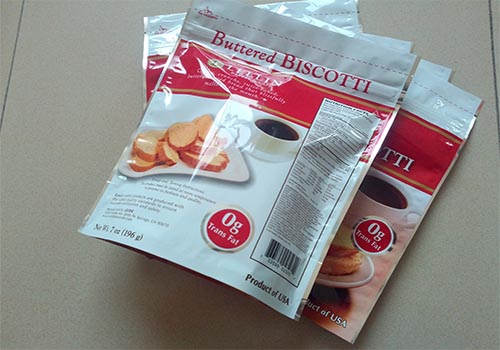
Aseptic Aluminum Plastic Composite Packaging

Aseptic Packaging

Application Scenario: Mainly designed for liquid food packaging waste such as Tetra Pak cartons and milk cartons.

Structural Characteristics: These types of packaging are composed of multiple laminated layers of paper pulp, polyethylene (PE), and aluminum foil. Their key feature is the extremely thin aluminum foil layer, which, despite its relatively low aluminum content, provides crucial oxygen and light barrier protection.

Recycling Value: Although the aluminum layer is very thin, the oxygen-free pyrolysis process can convert the PE plastic into fuel oil while carbonizing the paper fibers, allowing the precise separation and recovery of high-purity aluminum foil residues and achieving full-value resource recycling.

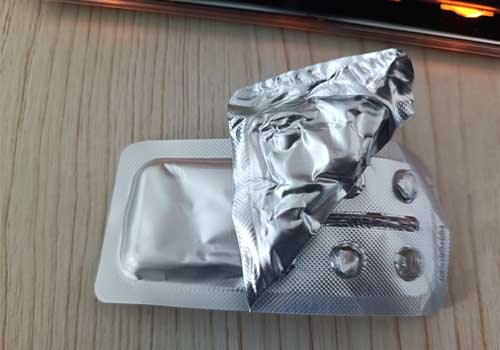
Packaging Waste Pharmaceutical Aluminum Foil Packaging

Medical Blister Packs

Technical Characteristics: Pharmaceutical blister packs (such as tablet blister packaging) are composed of rigid PVC sheets and aluminum foil lids. This type of waste typically contains around 20% aluminum, while the remaining 80% mainly consists of plastic materials.

Environmental Solution: Since PVC releases a large amount of highly corrosive hydrogen chloride (HCl) gas during the pyrolysis process, PyrolysisUnit’s equipment must be specially equipped with an HCl absorption tower (alkaline scrubber system). This system treats the exhaust gas through an acid-base neutralization reaction, ensuring emissions comply with environmental standards while also preventing acidic gases from corroding the reactor and condensation system.

Aluminum Composite Panels

Aluminum Composite Panels

Mainly used in the architectural decoration and signage industries.

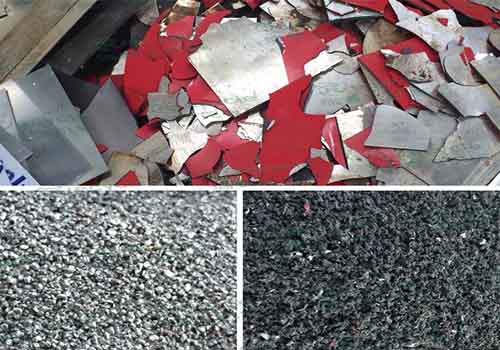
Material Specifications: ACP (Aluminum Composite Panel) is typically composed of a 3–6 mm plastic core material (PE or PP) bonded with two aluminum sheets approximately 0.3–0.8 mm thick.

Process Advantages: Compared with food packaging materials, the aluminum layer (aluminum sheet) in ACP is significantly thicker and has much higher purity. Our pyrolysis solution operates at a controlled temperature of 300–350°C, allowing the plastic core material to be completely vaporized while ensuring that the aluminum layers neither oxidize nor melt. The final output is high-quality large aluminum sheets that can be directly sold or remelted.

Core products and economic value of aluminum-plastic pyrolysis>>

Investment Value & Profit Analysis of Pyrolysis Recovery System

This pyrolysis system generates multiple revenue streams from aluminum composite materials, creating a stable and diversified profit structure for investors.

Recovered Aluminum (Core Solid Product)

The aluminum layer separated from ACP can achieve over 95% purity, making it suitable for direct resale to aluminum smelters for remelting and recycling, or further processing into aluminum ingots or aluminum powder.

Aluminum is the highest-value output of the entire system, with a stable global market price. In many cases, its value contribution is higher than pyrolysis oil, making it the key profit driver of the project. Compared with traditional mechanical separation, pyrolysis avoids oxidation losses and significantly improves material recovery efficiency.

Pyrolysis Oil (Liquid Product)

The oil yield is approximately 30–45%, with a calorific value of 4200–4800 kcal/kg. It can be directly used as industrial boiler fuel to replace heavy oil or diesel, or further refined into biodiesel, solvents, and chemical feedstocks.

Syngas (Gaseous Product)

The non-condensable gas mainly contains hydrogen, carbon monoxide, and methane, with a calorific value of 1200–1600 kcal/Nm³. It is recycled to heat the reactor system, significantly reducing external fuel consumption. Any surplus gas can be used for electricity generation or industrial heating, further improving overall energy efficiency.

Investment Profit Model

The profitability of the system can be simplified as:Total Profit=Total Profit = (Al Yield x Market PriceAl) + (Oil Yield x Priceoil)-OPEX
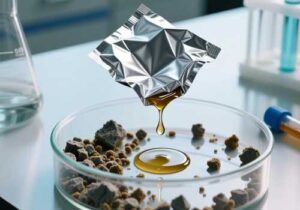
Products after aluminum-plastic pyrolysis

Comparison DimensionWaste Aluminum Plastic Pyrolysis PlantTraditional Methods (Mechanical Crushing / Chemical Dissolution)
Aluminum Recovery RateOver 95%, high purity60–80%, impurities easily mixed in
Environmental PerformanceOxygen-free pyrolysis, no exhaust gas or wastewater pollution, full recovery of all productsMechanical methods generate heavy dust; chemical methods produce toxic wastewater
Resource UtilizationPlastics are converted into oil/gas, zero wastePlastics are often incinerated or landfilled, causing resource loss
Operating CostSyngas reused for heating, low energy consumption, minimal laborChemical methods require large amounts of chemicals; mechanical methods consume high energy

Process Workflow: How the Waste Aluminum Plastic Pyrolysis Plant Works>>

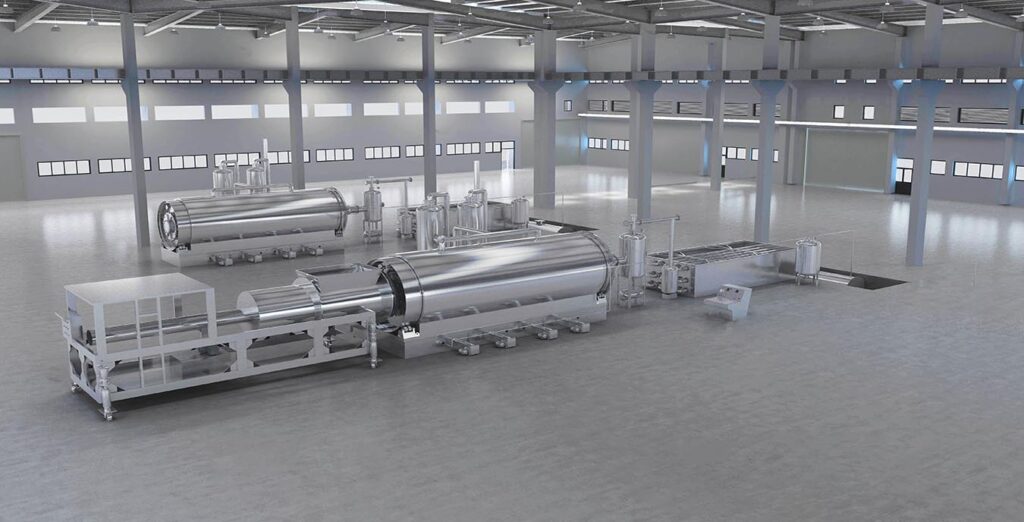
The Waste Aluminum Plastic Pyrolysis Plant realizes the “full resource recovery + environmental protection and harmlessness” of waste aluminum-plastic composites through a standardized 6-step process. It integrates pretreatment, pyrolysis reaction, product separation, energy recycling, residue purification, and environmental protection treatment, which can efficiently separate aluminum and plastic components while converting organic matter into high-value energy products. The whole process is closed and automatic, with no secondary pollution. The detailed workflow is as follows:

Step 1: Raw Material Pretreatment – Lay the Foundation for Efficient Pyrolysis

This stage focuses on removing impurities and homogenizing raw materials to avoid affecting the pyrolysis efficiency and product quality.
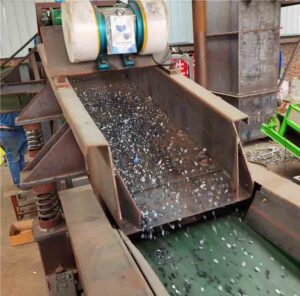
    • Crushing and Sorting: First, the waste aluminum-plastic products (such as aluminum-plastic panels, medical blister packs, food packaging) are sent to a crusher to be crushed into uniform particles with a particle size of 5 – 20mm. This increases the contact area between the raw materials and heat, accelerating the pyrolysis reaction. During the crushing process, manual or mechanical sorting is used to remove obvious impurities such as metal blocks, glass, and stones mixed in the raw materials.
    • Cleaning and Drying: The crushed aluminum-plastic particles are cleaned by a washing machine to remove surface dust, oil stains, and residual adhesives. Then they are sent to a rotary dryer for drying treatment. The moisture content of the materials after drying is controlled below 10%, which avoids energy waste caused by water evaporation during the pyrolysis process and prevents equipment corrosion.
    • Screening and Grading: The dried particles are screened by a vibrating screen to separate unqualified large particles and re-crush them, ensuring that all the raw materials entering the next process meet the uniform particle size standard.

Pyrolysis of crushed aluminum and plastic

Step 2: Pyrolysis Reaction – Core Link of Aluminum-Plastic Separation

This is the core stage of the whole workflow, which realizes the decomposition of plastic components and the retention of aluminum components through anaerobic high-temperature cracking.
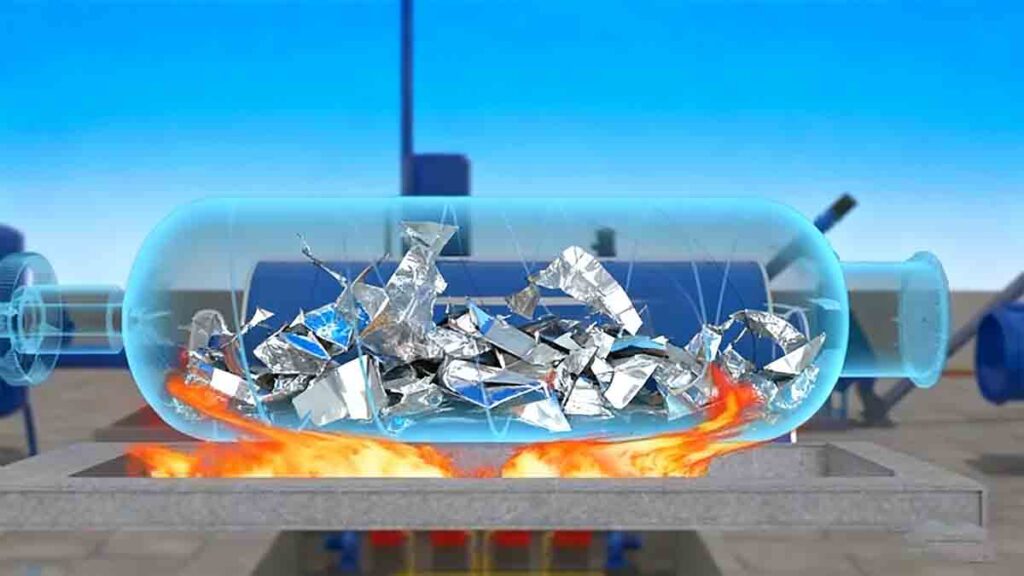
    • Feeding and Sealing: The qualified aluminum-plastic particles are sent to the sealed pyrolysis reactor through an automatic feeder. The reactor is strictly sealed to ensure an oxygen-free or low-oxygen environment inside, which fundamentally avoids the generation of dioxins and prevents the oxidation of metal aluminum.
    • High-Temperature Cracking: The reactor is heated by an external heating system (the heat source is usually the synthetic gas recovered in the later stage). The temperature inside the furnace is gradually raised to 400 – 700℃. Under this temperature and anaerobic condition, the plastic components (such as PE, PP, PS) in the aluminum-plastic materials undergo thermal decomposition. Their macromolecular chains are broken into small-molecule gaseous products (such as hydrocarbons), while the metal aluminum has high thermal stability and remains in a solid state without any chemical change.
    • Temperature Control: The whole pyrolysis process is equipped with an intelligent temperature control system. The temperature in the reactor is monitored in real-time and adjusted dynamically. Different temperature stages correspond to different pyrolysis stages, ensuring the full decomposition of plastic and avoiding incomplete pyrolysis or over-pyrolysis.

Aluminum-plastic pyrolysis

Step 3: Product Separation – Collect Gas and Liquid Products

The gaseous products generated by pyrolysis are cooled and separated to obtain liquid pyrolysis oil and gaseous synthetic gas.

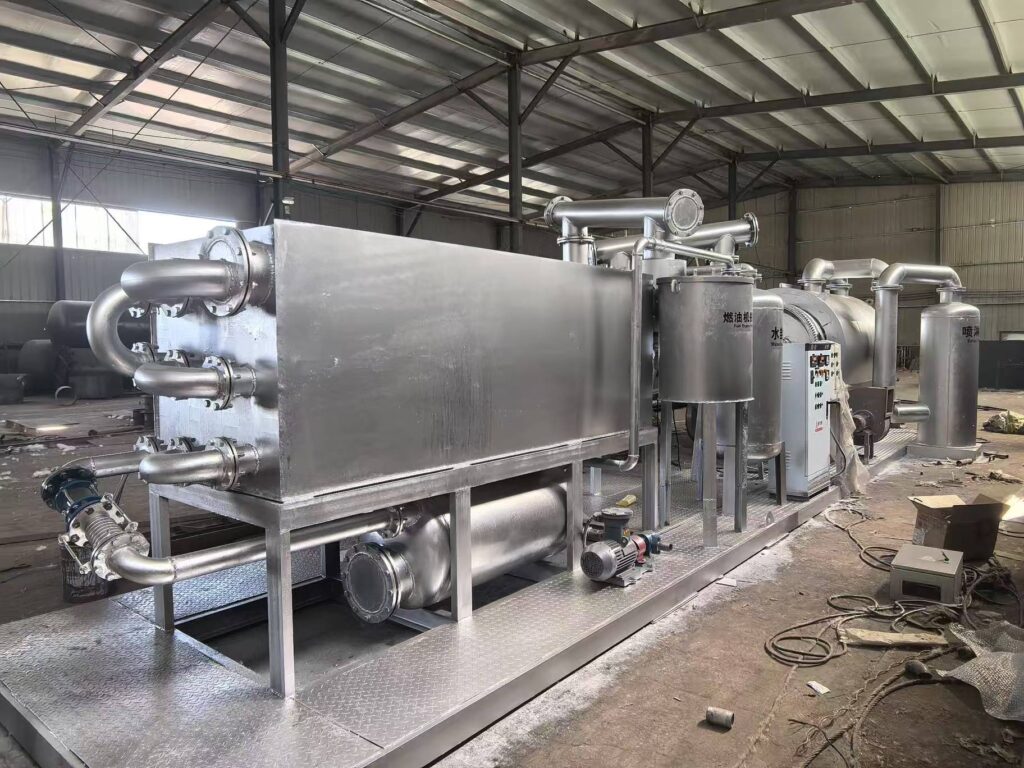
    • Flue Gas Conduction: The gaseous products (mainly small-molecule hydrocarbons) generated in the reactor are introduced into the condensation system through a sealed pipeline. The condensation system is composed of a primary condenser and a secondary condenser, adopting a multi-stage cooling design to improve the condensation efficiency.
    • Pyrolysis Oil Collection: When the gaseous products pass through the condenser, they are cooled and liquefied into liquid pyrolysis oil. The pyrolysis oil flows into the oil storage tank through a pipeline after being filtered by an oil filter to remove impurities. The collected pyrolysis oil has a calorific value of 4200 – 4800 kcal/kg and can be directly used as industrial fuel or further refined into bio-diesel.
    • Synthetic Gas Recovery: The non-condensable gas that cannot be liquefied after multi-stage condensation is synthetic gas, whose main components are hydrogen, carbon monoxide, and methane, with a calorific value of 1200 – 1600 kcal/Nm³. The synthetic gas is purified by a desulfurization and deodorization device and then sent to the heating system of the reactor as a fuel, realizing energy self-sufficiency and reducing operating costs. Excess synthetic gas can also be stored in a gas storage tank for power generation or heating.

Step 4: Solid Residue Treatment – Extract High-Purity Recycled Aluminum

After the pyrolysis reaction, the solid residue in the reactor is mainly high-purity aluminum particles and a small amount of carbon black. This stage focuses on separating and purifying the aluminum.
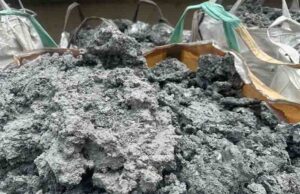
    • Cooling and Discharging: After the pyrolysis reaction is completed, the reactor is cooled to a safe temperature through a water cooling system. Then the solid residue is discharged into the cooling bin through an automatic discharge device to avoid oxidation of aluminum due to high-temperature contact with air.
    • Aluminum-Carbon Separation: The cooled solid residue is sent to a vibrating separator or electrostatic separator. Due to the different physical properties of aluminum and carbon black, aluminum particles and carbon black are efficiently separated. The separated carbon black can be sold as a raw material for rubber fillers or activated carbon.
    • Aluminum Purification: The separated aluminum particles are further purified by a magnetic separator to remove a small amount of iron impurities mixed in them. Finally, high-purity recycled aluminum with a purity of more than 95% is obtained, which can be directly sold to aluminum processing plants for remelting and reuse or processed into aluminum ingots and aluminum powder.

Treatment of aluminum-plastic residue after pyrolysis

Step 5: Energy Recycling – Achieve Low-Carbon Operation

The plant integrates an energy recycling system to maximize the utilization of waste heat and by-product gas, reducing external energy input.

    • Waste Heat Utilization: The waste heat generated during the operation of the reactor and condenser is collected by a waste heat recovery device and used to preheat the dried raw materials, improving the thermal efficiency of the whole system.
    • Synthetic Gas Circulation: As mentioned earlier, the synthetic gas generated in the pyrolysis process is the main fuel for the reactor, which can meet more than 80% of the heating demand of the plant. This not only saves the cost of purchasing external fuels but also reduces the emission of greenhouse gases.

Step 6: Environmental Protection Treatment – Ensure Compliance with Emissions

The whole process is equipped with a complete environmental protection system to ensure that all emissions meet the national and industrial environmental protection standards.

    • Tail Gas Treatment: A small amount of residual tail gas after synthetic gas recovery is treated by a desulfurization, denitration, and dust removal integrated device to remove sulfur dioxide, nitrogen oxides, and particulate matter in the tail gas. After treatment, the tail gas can be directly discharged into the atmosphere, and the emission indicators are far lower than the national standard.
    • Wastewater Treatment: The plant basically has no wastewater discharge during the operation process. The cooling water and cleaning water can be recycled after sedimentation and filtration, realizing zero wastewater discharge.
    • Solid Waste Disposal: The small amount of waste residue generated in the separation process is non-toxic and harmless, and can be used as a raw material for building materials or sent to a landfill for harmless disposal.
Scope of Services
Africa Projects 87%
Southeast Asia Projects 76%
Asian Projects 60%
PyrolysisUnit — Certification

Why Choose a Pyrolysis Machine from PyrolysisUnit?

After
Sales Service

We provide 24/7 online customer support, as well as video-based after-sales technical assistance from our engineers.

quality

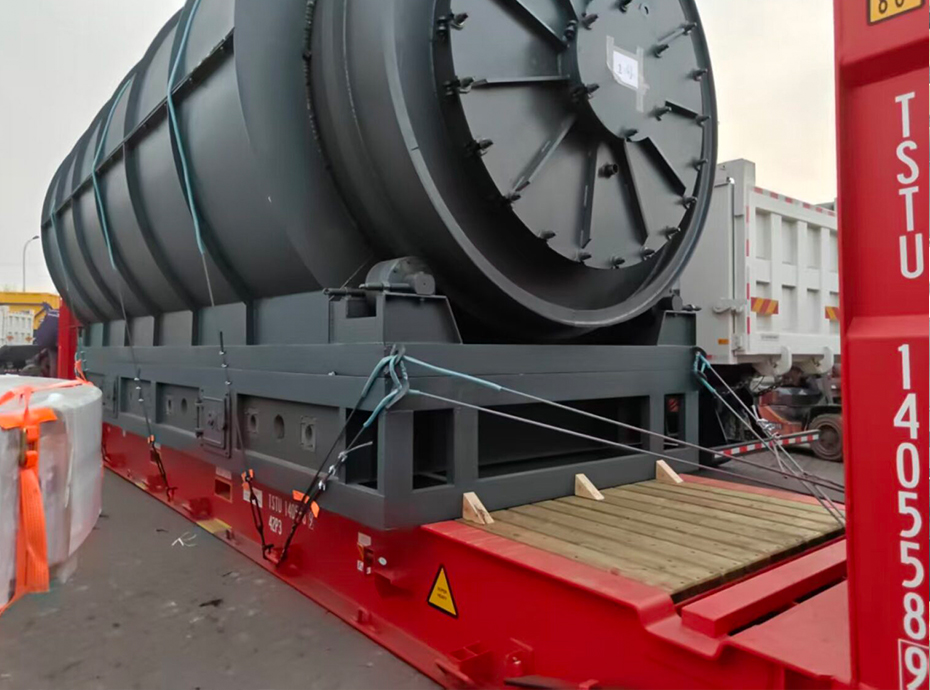
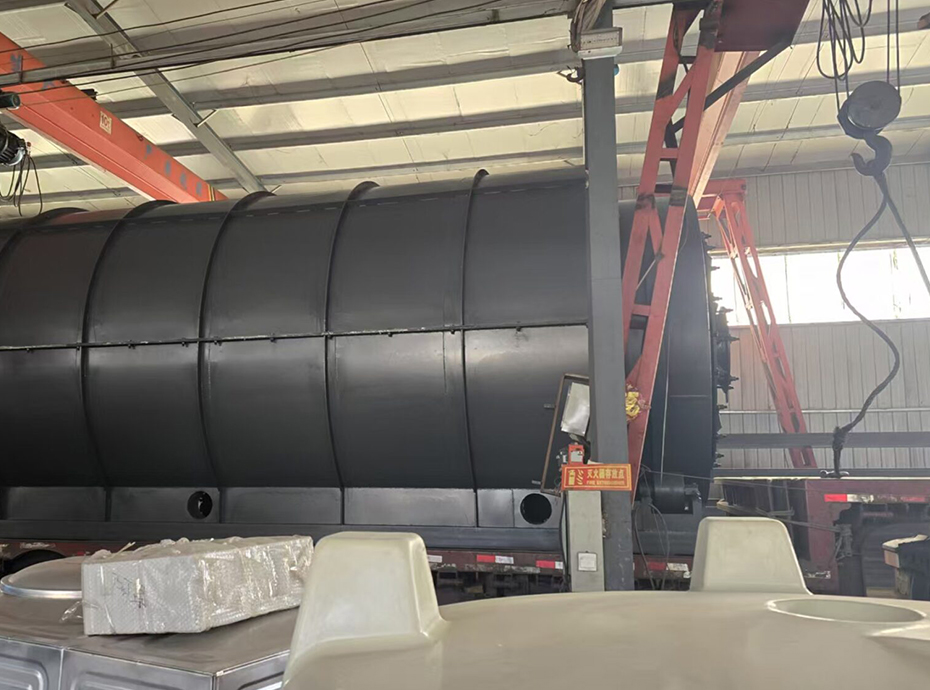
1. The steel plate thickness of the main furnace is 18 mm.
2. The interior of the main furnace is fabricated using a spiral double-sided lap-welding process.
3. The external insulation support framework of the main furnace is constructed from 12 mm thick refractory castable and aluminum silicate cotton blocks.
4. All bolts used are Grade 8.8 high-strength bolts.

Waste Aluminum Plastic Pyrolysis Plant Parameters>>

Name Specification/Model Unit Quantity Material
Main Furnace Liner Φ1400*5500*14mm Set 1 Q345R
Gear Ring Customized Gear Type Set 1 Cast Steel
Slag Remover Furnace Door Center Seal Φ325 Set 1 Q235B
Main Furnace Frame 12# Channel Steel Piece 4 Q235B
Insulation Layer Matched with Main Furnace Set 2 Q235B + Insulation Material
Support Roller - Piece 4 Cast Steel
Reducer ZQ-300 Set 1 Standard
Motor 3kw Set 1 Standard
Seal Body Φ219 Piece 1 Lathed Cast Steel
Compensator Φ219 Piece 1 Stainless Steel
Gas Outlet Φ219 Set 1 Lathed
Gas Tank Φ700*1500 Set 1 Q235B with End Caps
Vertical Pipe Φ219 Piece 1 Q235B
Dewaxing Tank 1000*2500*6mm Piece 1 Q235B
Water Seal Φ800*1500 Set 1 Q235B with End Caps
Exhaust Burner System Matched Set 3
Blower Integrated 2.2kw Unit 1
Combustion Chamber 1600*5000*500 Set 1 Integrated with Main Furnace
Flame Arrester DN50 Piece 1 Anti-flameback
Safety Valve System Matched Set 1 Stainless Steel
Exhaust Valve DN25 Piece 1 Stainless Steel
Valves Stainless Steel Set Several 25-50
Distribution Box Box Type Set 1 Q235B
Oil Pump 2.2kw Set 1 Explosion-proof
Channel Steel 12# Channel Piece 4 Base Support
Instrument - Set 1 -
Condenser 1500*2500*3600 Set 1 19 Tubes
Compensator Φ89 Piece 1 Stainless Steel
Lens Φ89 Piece 1 Glass Lens
Other Accessories Frame & Base Set 1 Skid-mounted Type
Fuel Burner 200,000 Kcal Unit 3 Siphon Air Atomizing

Environmental Compliance & Emission Control>>

Waste aluminum-plastic materials are classified as environmentally sensitive waste streams.
To ensure safe, clean, and regulation-compliant processing, our Waste Aluminum Plastic Pyrolysis Plant is engineered with a full closed-loop emission control system and meets major environmental standards worldwide.

0 Oxygen, 0 Burning, 0 Dioxin Risk

The thermal decomposition process operates in a completely oxygen-free environment.
Since no direct combustion occurs, dioxins, furans, and nitrogen oxides (NOx) cannot be generated, eliminating the key risks found in incineration-based recycling methods.

Full Syngas Recovery — No VOC Leakage

The non-condensable gas (syngas) generated during pyrolysis is fully collected, filtered, and used as a self-fueling energy source for the reactor.
This prevents hydrocarbon gas emissions and ensures clean, energy-efficient operation.

Multi-Stage Exhaust Gas Purification System

To meet global environmental regulations, the plant includes:

  • Cyclone dust removal

  • Ceramic or activated carbon adsorption

  • Acid gas neutralization tower

  • Condensation & cooling section

  • Final odor removal polishing

This multi-stage system ensures zero odor, zero untreated fumes, and zero visible emissions.

No Wastewater Discharge

The plant does not generate wastewater during operation.
All condensates and collected liquids return to the system as fuel or product oil.

Safe Handling of Solid Residues

Recovered aluminum is clean and ready for reuse.
Small amounts of inorganic residues can be safely disposed of or reused in construction materials.

Compliance With International Standards

The system can be configured to comply with:

  • EU Industrial Emissions Directive (IED)

  • US EPA air emission standards

  • China GB National Environmental Standards

  • Local EIA requirements for recycling plants and industrial parks

Helps Customers Pass Environmental Audits

With its clean pyrolysis design and closed-loop emission control, the plant makes it easier for customers to:

  • Obtain project approval

  • Pass environmental reviews

  • Qualify for circular-economy subsidies

  • Meet corporate ESG / carbon reduction goals

Return on Investment (ROI) + Cost-Benefit Calculation>>

CategoryContent
Revenue Streams– Recovered Aluminum: ≥95% purity, stable market demand- Pyrolysis Oil: 30–45% yield, usable as industrial fuel or refined into biodiesel/chemical raw materials- Syngas: self-used to reduce energy cost, surplus can be used for power generation or heating
Cost & Savings (Operating Advantages)– Self-use of syngas saves fuel- Automated operation reduces labor costs- No chemical solvents needed, reducing consumables- Low maintenance and low downtime
Estimated Returns (Industry-Based)– Daily processing: 10 tons- Aluminum output: 1–1.5 tons/day- Pyrolysis oil output: 3–4.5 tons/day- Aluminum price: $1,200–$1,900/ton- Pyrolysis oil price: $350–$520/ton- Estimated daily revenue: $2,500–$4,500- Operating cost: $500–$900- Net profit: $2,000–$3,600/day
Investment Flexibility– 1–3 tons/day: small recycling businesses- 5–15 tons/day: local waste treatment or industrial parks- 20–30 tons/day: commercial-scale enterprises
Payback Period– Typical: 6–18 months- Depends on raw material availability, product prices, and plant scale

PyrolysisUnit Global Case Studies

Scroll to Top