
Turn industrial rubber waste — conveyor belts, rubber sheets, hoses, and factory scraps — into fuel oil (40–50% yield) and recovered carbon black (30–35%) with PyrolysisUnit’s dedicated rubber pyrolysis plant. Available in batch (1–20 T/day) and continuous (20–50 T/day) configurations, with reactors built from 16mm Q345R pressure-vessel steel for long-term industrial operation. ISO & CE certified. Free pre-processing assessment available before purchase.
Working Principle of a Rubber Pyrolysis Plant
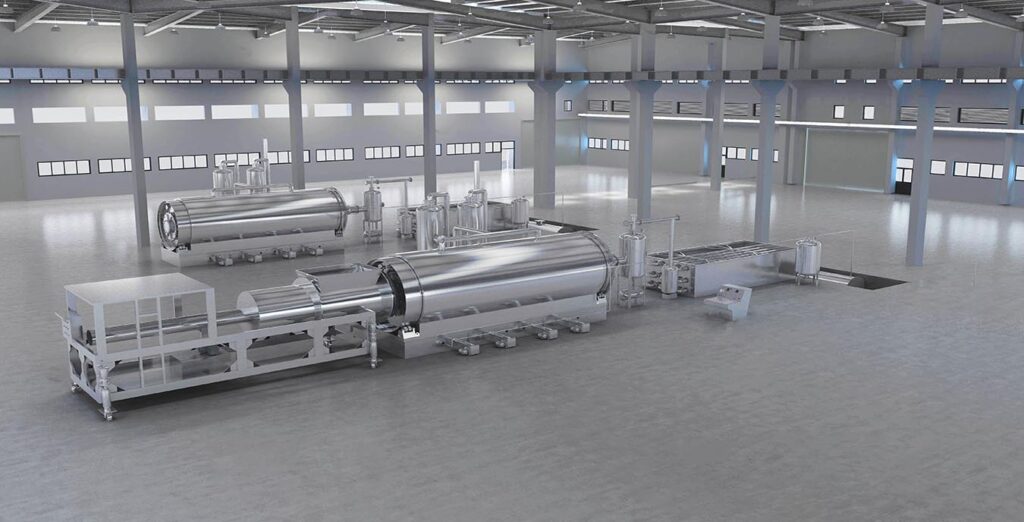
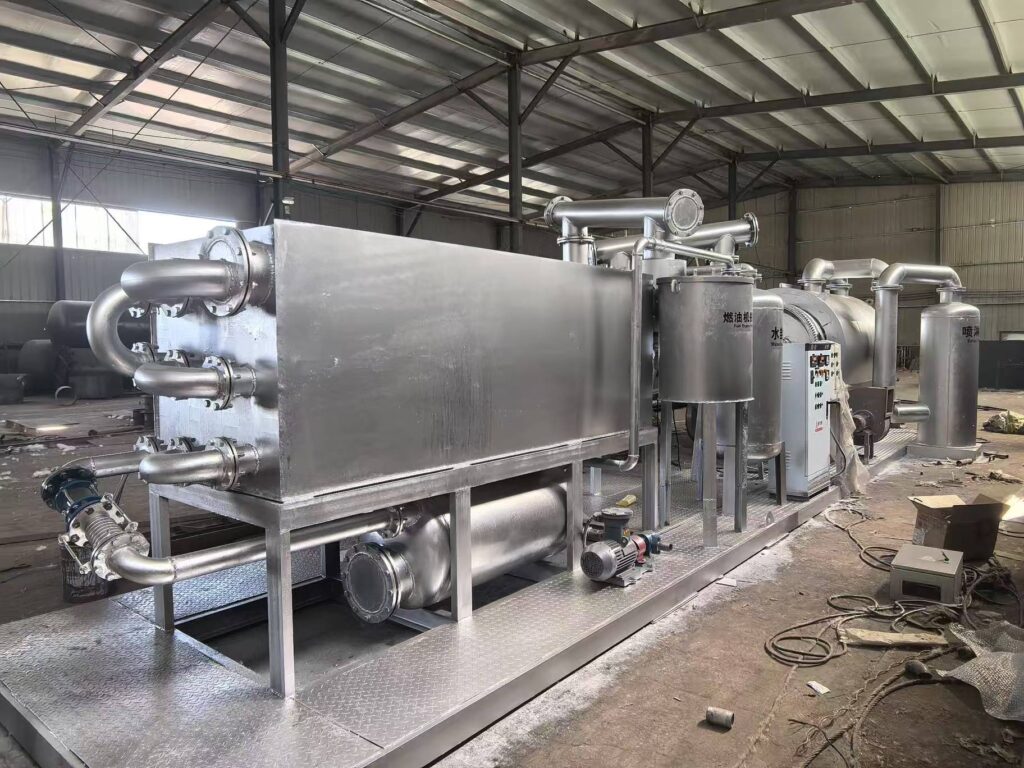
The PyrolysisUnit rubber pyrolysis plant processes industrial rubber waste in a sealed, oxygen-free reactor at 400–650℃, thermally decomposing the material into three recoverable outputs: fuel oil (40–50% yield), recovered carbon black (30–35%), and combustible syngas (15–20%).Due to the relatively uniform composition and low steel content of industrial rubber waste, the process is more stable compared to tyre pyrolysis.
Before entering the reactor, rubber waste such as industrial scraps, conveyor belts, or rubber sheets is typically pre-treated through shredding or size reduction to ensure efficient heat transfer. The processed material is then fed into the reactor, where it undergoes continuous or batch pyrolysis. The generated oil gas is condensed into high-calorific fuel oil, while non-condensable syngas is recycled back to heat the reactor — covering up to 80% of heating energy after startup, significantly reducing external fuel costs.
Applicable Materials for Rubber Pyrolysis Plant
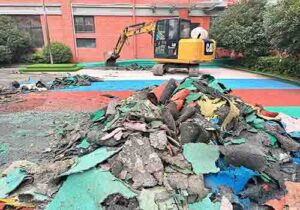
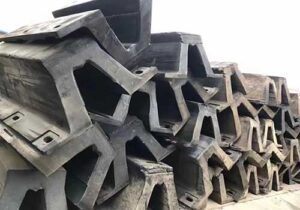
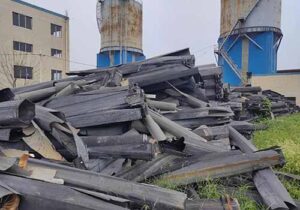
Unlike tyre pyrolysis, industrial rubber waste contains minimal steel content and more uniform polymer composition — resulting in a higher oil yield (40–50%) and more stable process. The following non-tire rubber materials are fully compatible with our plant:
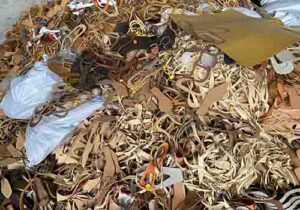
- Industrial rubber sheets and cutting scraps (from rubber product factories)
- Conveyor belts and rubber mats (from mining, logistics, and manufacturing)
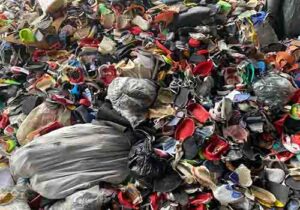
- Rubber shoe soles and footwear production waste (from footwear manufacturers)
- Rubber hoses and sealing strips (from automotive and industrial equipment plants)
- EPDM and silicone rubber factory rejects (from construction and electronics industries)
- Mixed industrial rubber waste (sorted and shredded to ≤20mm)
Please note: This system is optimized for non-tire rubber materials. For waste tyres, please check our dedicated Tyre Pyrolysis Plant page.
Technical Specifications
| System | Main Furnace System | PUHB-7 | Quantity | Specification Model | Characteristics | Remarks |
|---|---|---|---|---|---|---|
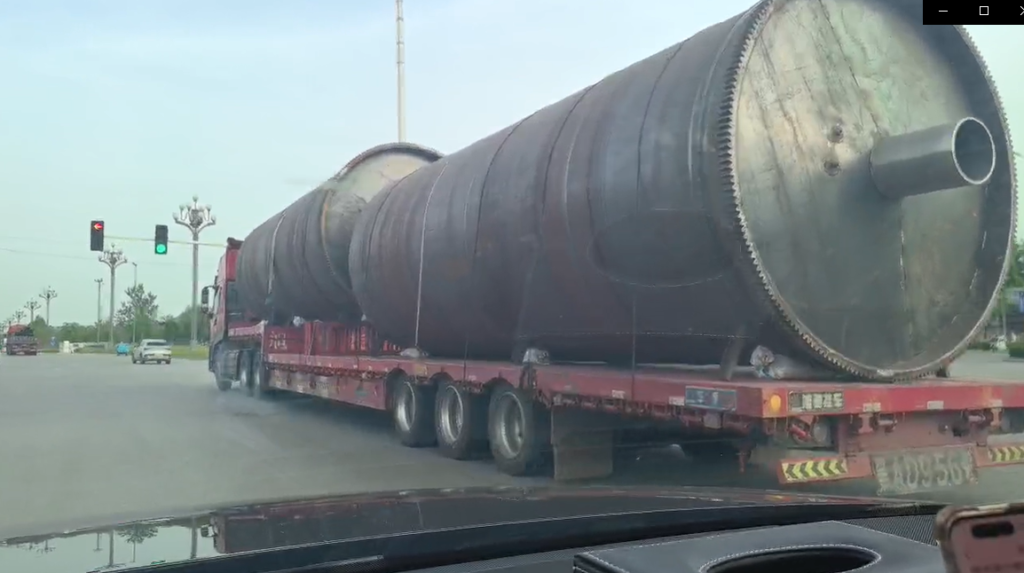
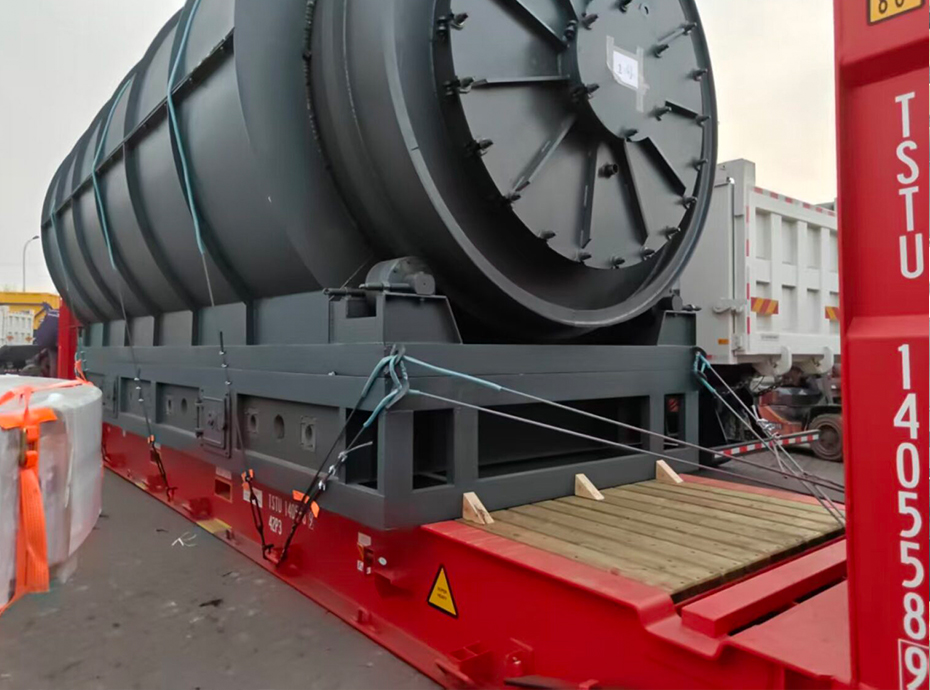
| Main Furnace | Pyrolysis Main Furnace | Unit | 1 | 2600*7700 | 16mm | Q345R |
| Circular Door | Set | 1 | 1500 | 16mm | Q345R | |
| Insulation Shell | Set | 2 | Matching main furnace | Assembly | ||
| Main Furnace Base | Set | 1 | Matching main furnace | Assembly | ||
| Furnace Door Bolts | Set | 19 | Matching main furnace | Precision Part | ||
| Furnace Chamber | Set | 1 | Matching main furnace | Assembly | ||
| Support Roller | Piece | 4 | Matching main furnace | Rod Bearing | Standard Part | |
| Transmission | Custom Gear Ring | Piece | 1 | Matching main furnace | Standard Part | |
| Variable Speed Motor | Unit | 1 | Matching system | 7.5kw | Standard Part | |
| Pulleys (Large/Small) | Set | 1 | Matching reducer | Standard Part | ||
| Reducer | Unit | 1 | 500 | 7.5KW | Cast Steel Housing | |
| Sealing System | Gas Outlet | Piece | 1 | 6425 | Standard Part | |
| Graphite Ring | Piece | 10 | φ425 | Standard Part | ||
| Sealing Body | Piece | 1 | φ425 | Assembly | ||
| Bellows Compensator | Piece | 1 | φ425 | 316 Stainless Steel | ||
| Asbestos Packing | Box | 1 | φ425 | Standard Part | ||
| Separation System | Gas Bag | Unit | 1 | φ900x1800 | 6mm | Standard Part |
| Residue Oil Tank | Unit | 1 | Matching gas bag | Assembly | ||
| Condensation System | Tubular Condenser (with Water Tank) | Set | 1 | Matching main furnace | Assembly | |
| Settling Tank | Unit | 1 | φ600x1000 | Standard Part | ||
| Oil Collection Tank | Unit | 1 | 5T | Standard Part | ||
| Oil Pump | Unit | 1 | Matching system | 2.2KW | Explosion-proof | |
| Slag Discharge | Central Slag Discharge Door | Unit | 1 | φ530 | Sealed Discharge | Assembly |
| Slag Discharger | Set | 1 | φ530 | Sealed Discharge | Assembly | |
| Non-Condensable Gas Recycling | Water Seal Tank | Unit | 1 | φ900x1500 | Standard Part | |
| Flame Arrester | Piece | 1 | DN50 | Standard Part | ||
| Waste Gas Burner | Set | 4 | Matching combustion chamber | Standard Part | ||
| Burner Brick | Piece | 8 | Matching burner | Standard Part | ||
| Hose | Set | 4 | Matching burner | Standard Part | ||
| Desulfurization & Dust Removal | Desulfurization Tower | Set | 1 | Matching system | Assembly | |
| Dust Removal Water Pump | Unit | 1 | Matching system | 3.0KW | Stainless Steel Impeller | |
| Induced Draft Fan (with Motor) | Unit | 1 | Y5-47-5C | 5.5KW | Assembly | |
| Fan Damper | Piece | 1 | Matching fan | Standard Part | ||
| Safety System | Explosion-proof System | Set | 1 | Matching system | Standard Part | |
| Instrumentation | System Instruments | Group | 1 | Matching system | Assembly | |
| Control Cabinet | Electrical Control Cabinet | Set | 1 | Matching system | With Speed Controller | Assembly |
| Piping | Pipes & Fittings | Group | 1 | Matching system | Assembly | |
| 3-Stage Heavy Duty Feeder | Pressure Cylinder | Set | 1 | Assembly | ||
| Pusher | Set | 1 | Assembly | |||
| Motor | Piece | 1 | Assembly | |||
| Feeder Frame | Piece | 1 | Assembly | |||
| Feeder Roller | Piece | 1 | Assembly | |||
| Feeder Casters | Piece | 4 | Assembly | |||
| Feeder Adjuster | Piece | 4 | Assembly |
Advantages of PyrolysisUnit Rubber Pyrolysis Plant
Why choose PyrolysisUnit rubber pyrolysis plant? Our advanced design ensures superior performance, high safety, and excellent return on investment. Key advantages include:
Heavy-Duty Reactor Construction
Built with high-quality Q235B and Q345R steel and a reactor thickness of up to 16mm, our plant can withstand high temperatures and pressure during the pyrolysis process. This robust construction ensures long-term durability and minimal maintenance.8–10 Year Design Life with Minimal Downtime
The reactor shell is fabricated from 16mm Q345R pressure-vessel steel with full-penetration precision welds, rated for 8–10 years of continuous industrial operation. Wear components — including graphite ring seals, condenser tubes, and burner bricks — are standardized and stocked for fast on-site replacement, keeping unplanned downtime to under 2% annually.Flexible Operation: Batch & Continuous Options
PyrolysisUnit offers both batch and fully continuous systems to meet different production needs. Small-scale plants can run batch operations efficiently, while large-scale industrial plants can operate continuously for maximum output.High Oil Yield & Energy Efficiency
Our advanced pyrolysis technology maintains reactor temperature at 400–650℃ with PLC precision control, achieving fuel oil yields of 40–50% and recovered carbon black yields of 30–35% from non-tire rubber feedstock. Syngas reuse covers up to 80% of heating energy after startup. The residual gas can be reused to heat the reactor, improving overall energy efficiency.
Safety-First Design
Equipped with a complete safety system, including pressure relief valves, airtight sealing, and temperature monitoring, the plant ensures safe operation under all conditions. Overheating or abnormal pressure triggers automatic protection.Wide Material Compatibility
Specifically designed for non-tire rubber waste, the system can handle industrial rubber sheets, mats, hoses, and production leftovers with consistent results. Pre-treatment requirements are minimal, reducing labor and processing costs.
Non-Tire vs Tire Rubber: Why Process Them Separately?
Comparison Dimensions | Non-Tire Industrial Rubber | |
Steel Content | Very low (≤2%) | High (15–20% steel belt) |
Pre-treatment | Shredding only | Shredding + de-wiring required |
Process Stability | More stable, fewer fluctuations | Variable due to steel content |
Oil Yield | 40–50% (higher) | 35–45% (lower) |
Carbon Black Quality | Cleaner, fewer metal impurities | May contain metal residues |
Recommended Equipment | Rubber Pyrolysis Plant (this page) | Tyre Pyrolysis Plant → |

Why Choose a Pyrolysis Machine from PyrolysisUnit?
After
Sales Service
Sales Service
We provide 24/7 online customer support, as well as video-based after-sales technical assistance from our engineers.
quality
1. The steel plate thickness of the main furnace is 18 mm.
2. The interior of the main furnace is fabricated using a spiral double-sided lap-welding process.
3. The external insulation support framework of the main furnace is constructed from 12 mm thick refractory castable and aluminum silicate cotton blocks.
4. All bolts used are Grade 8.8 high-strength bolts.
- 18-Month Warranty
- Pyrolysis Feas. Report
- 24/7 customer service
- ROI Calculation
- EX Certification
- 23Y Equipment R&D
Project Cases / Applications
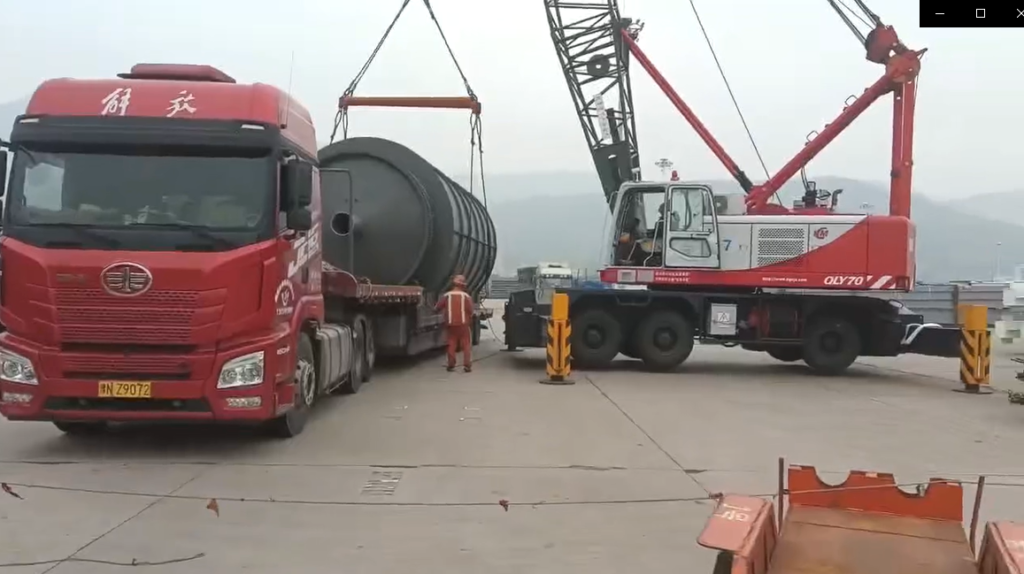
15 Ton/Day Waste Tire Pyrolysis Plant Project in Malaysia A Malaysian waste management company specializing
South Korea 3 Ton Solar Panel Pyrolysis Plant Project Project Background South Korea’s booming solar
15 TPD Waste Tire Pyrolysis Plant Project in Ghana, Africa Project Background A Ghanaian recycling
Côte D’ivoire (Ivory Coast) Regarding A 10-Ton-Capacity Distillation Plant Project Background In Côte d’Ivoire, increased
Distillation Equipment Project in Malaysia In February 2026, a waste-tire recycling client based in Johor,
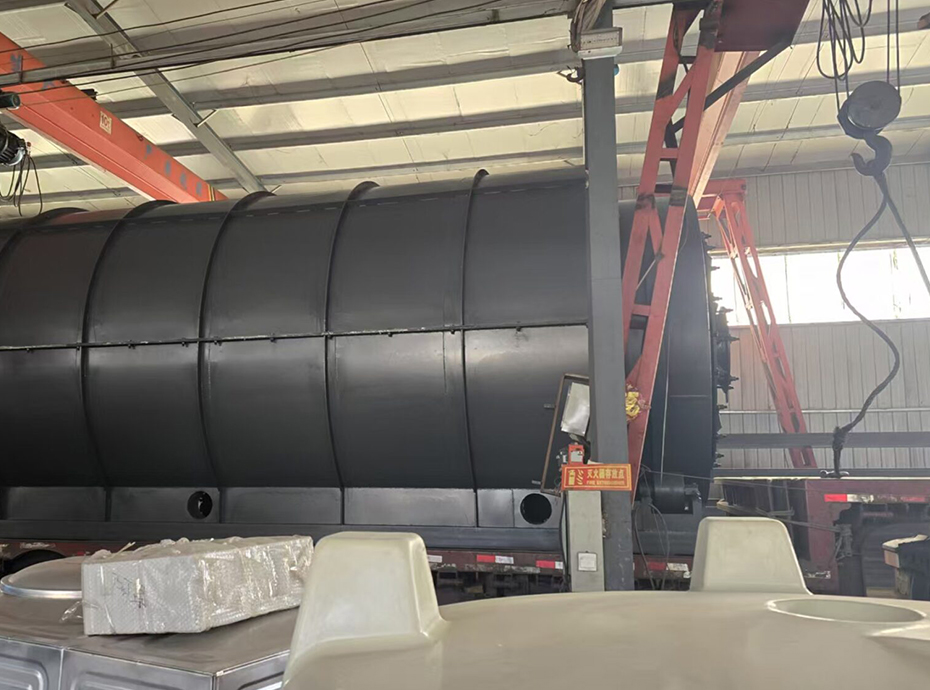
Waste Plastic-to-Fuel Refining Equipment Two Sets of Waste Plastic-to-Fuel Refining Equipment Delivered to Malaysia in
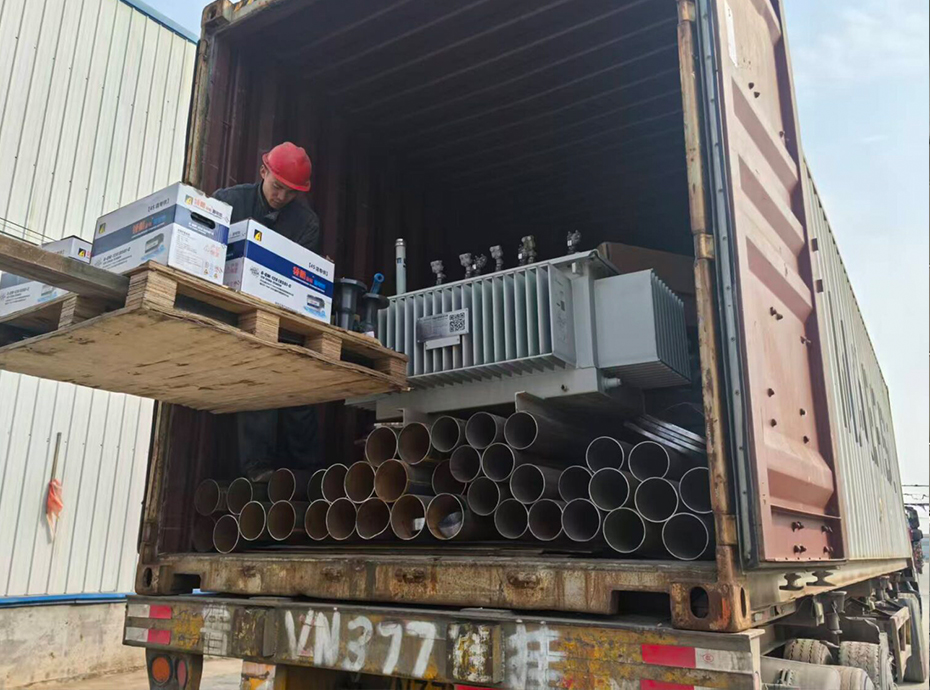
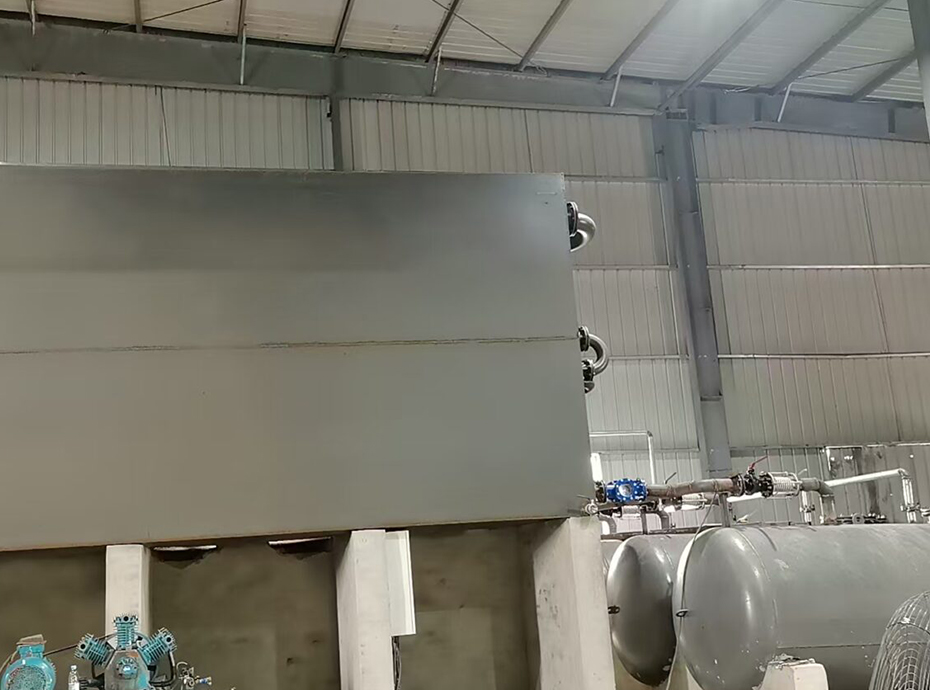
10-Ton-Per-Day Waste Oil Distillation Facility April 2026: 10-Ton-Per-Day Waste Oil Distillation Facility in Phnom Penh,
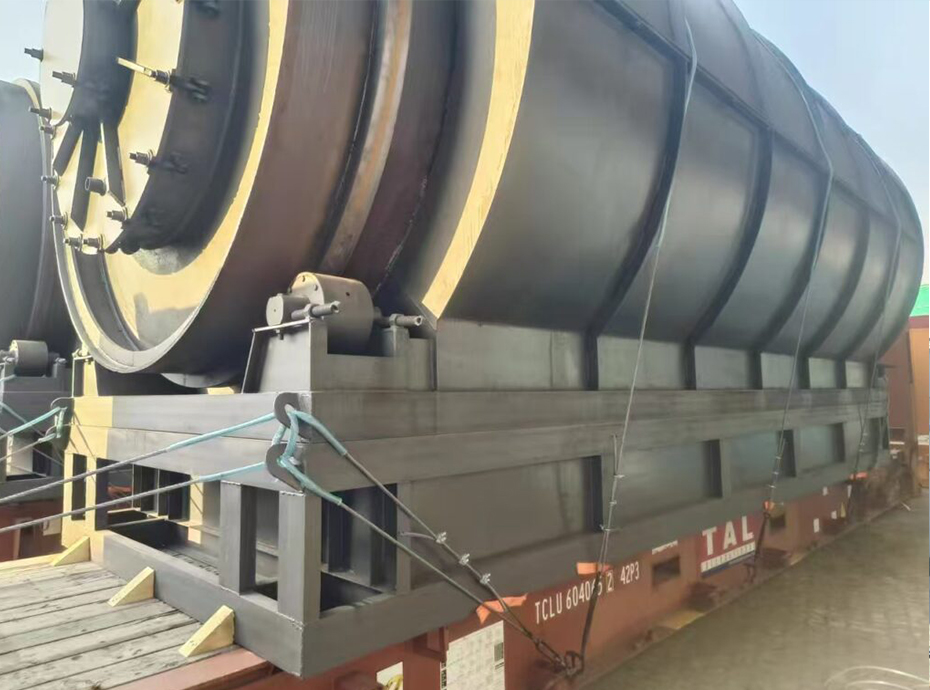
Four Sets Of Waste Tire-To-Oil Pyrolysis Equipment Delivery Of Four Sets Of Waste Tire-To-Oil Pyrolysis
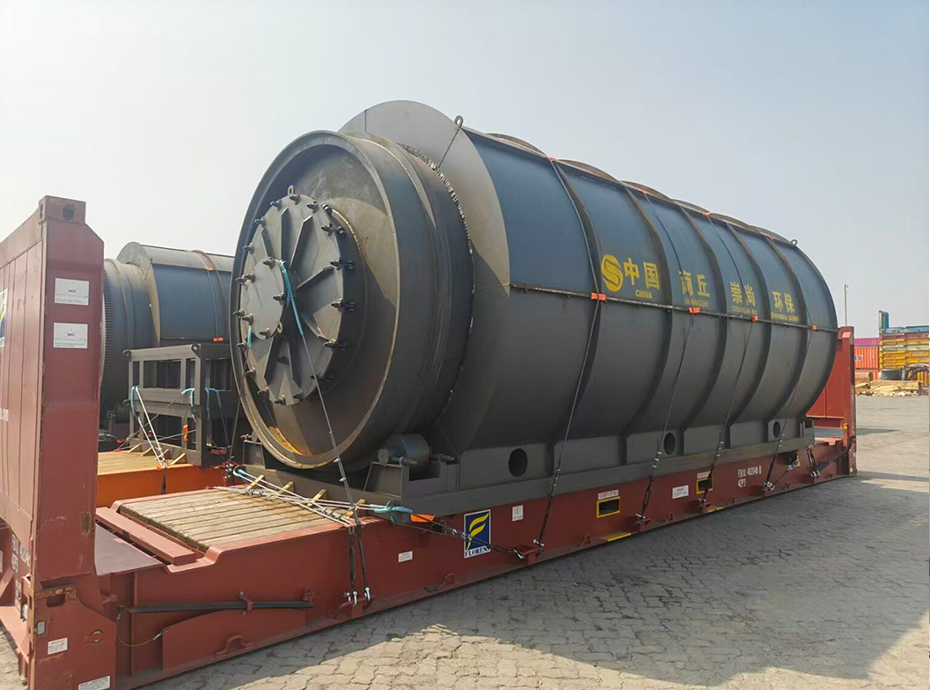
Two Waste Plastic-To-Fuel Pyrolysis Units A Project Involving Two Waste Plastic-To-Fuel Pyrolysis Units Delivered To
Complete Guide to Industrial Rubber Waste Pyrolysis: Processes, Tips & Troubleshooting
Table of Contents
The following guide covers everything you need to know about operating a rubber pyrolysis plant at industrial scale — from pre-processing and system selection to maximizing oil yield and troubleshooting. Jump to the section most relevant to your needs using the table of contents above.
Part 1: How to Recycle Industrial Rubber Waste Efficiently Using a Pyrolysis Plant
Recycling industrial rubber waste with a pyrolysis plant requires a systematic approach to ensure efficiency, safety, and maximum resource recovery. Our batch and continuous pyrolysis plants (1-50 tons/day) are engineered to simplify the process, with robust Q235B/Q345R steel reactors (16mm thickness) that withstand high temperatures and pressure. Follow these detailed steps for efficient recycling:
Step 1: Pre-Processing Industrial Rubber Waste
Pre-processing is critical to ensure uniform heat transfer and avoid equipment damage. Start by sorting the rubber waste to remove non-rubber impurities (e.g., metal clips, fabric, plastic attachments). Next, use a shredder to reduce the waste into small particles (5-20mm in size)—this increases the contact area between the material and heat, accelerating the pyrolysis reaction. Finally, dry the shredded rubber to reduce moisture content to below 10% (moisture excess will waste energy and lower oil yield). Our plants can be equipped with a matching pre-processing system to streamline this step.
Step 2: Feed Material into the Pyrolysis Reactor
For batch systems (ideal for small to medium-scale operations: 1-20 tons/day), load the pre-processed rubber particles into the sealed reactor manually or via an automatic feeder. For continuous systems (suitable for large-scale industrial use: 20-50 tons/day), the material is fed continuously through a conveyor belt, ensuring non-stop operation. The reactor—made of 16mm thick Q235B/Q345R steel—maintains an airtight seal to create an oxygen-free environment, which is essential for preventing combustion and dioxin formation.
Step 3: Thermal Pyrolysis Reaction
Heat the reactor to 400-650℃ using an external heating system. Our plants optimize heat transfer with precision temperature control, ensuring the rubber waste undergoes complete thermal decomposition. In the oxygen-free environment, rubber polymers break down into three main products: oil gas, recovered carbon black, and combustible syngas. The 16mm thick reactor walls prevent heat loss and ensure safe operation even at maximum temperature.
Step 4: Product Separation & Collection
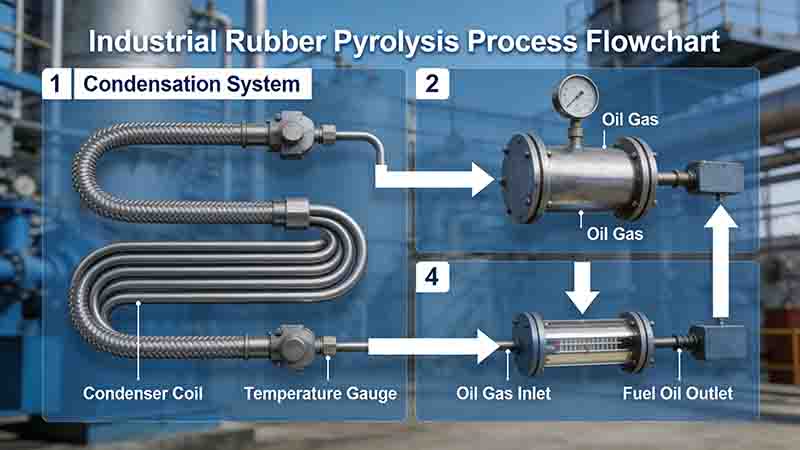
The oil gas generated during pyrolysis is transported to a multi-stage condensation system, where it cools and liquefies into fuel oil (usable for industrial boilers or further refining). Non-condensable syngas (composed of hydrogen, carbon monoxide, and methane) is purified and reused as fuel for the reactor, creating an energy-efficient loop that reduces external energy costs. Solid recovered carbon black is discharged from the reactor after cooling, while any remaining metal impurities are separated via magnetic sorting.
Step 5: Post-Processing & Utilization
Filter the collected fuel oil to remove impurities, making it suitable for immediate use or refining. recovered Carbon black can be processed into rubber fillers, soil amendments, or ink raw materials, while the reused syngas reduces energy consumption by up to 70%. Our plants are designed to maximize product recovery, ensuring you get the most value from your industrial rubber waste.
Part 2: Non-Tire Rubber Pyrolysis Process Explained: From Waste to Fuel
Non-tire industrial rubber waste—such as conveyor belts, rubber sheets, hoses, and factory scraps—differs from tire rubber in its uniform composition, lower steel content, and fewer impurities, making it ideal for pyrolysis. Unlike tire pyrolysis, which requires additional steps to separate steel belts, non-tire rubber pyrolysis is more stable, efficient, and cost-effective. Our pyrolysis plants (batch and continuous, 1-50 tons/day) are specifically optimized for non-tire rubber, leveraging Q235B/Q345R steel reactors (16mm thickness) to ensure consistent performance. Here’s a detailed breakdown of the process from waste to fuel:
1. Feedstock Characteristics of Non-Tire Rubber
Non-tire industrial rubber typically has a higher rubber content (70-85%) and lower ash content compared to tires, which means higher oil yield and better product quality. Common types include EPDM rubber (conveyor belts), natural rubber (hoses), and synthetic rubber (production leftovers). Our plants are compatible with all these types, requiring minimal pre-processing compared to tire pyrolysis.
2. Key Pyrolysis Stages for Non-Tire Rubber
The process follows four core stages, optimized for non-tire rubber’s unique properties:
- Evaporation Stage (200-300℃): Moisture and light volatile compounds in the rubber are released, preparing the material for thermal decomposition. Our reactor’s 16mm thickness ensures uniform heating, preventing local overheating.
- Initial Pyrolysis Stage (300-400℃): Rubber polymers begin to break down into small-molecule hydrocarbons, forming oil gas. The oxygen-free environment (maintained by the reactor’s airtight seal) prevents oxidation and toxic gas formation.
- Main Pyrolysis Stage (400-650℃): Most rubber polymers decompose into oil gas, which is then transported to the condensation system. This stage is critical for maximizing oil yield, and our precision temperature control ensures complete decomposition.
- Carbonization Stage (650-700℃, Optional): For higher-quality recovered carbon black, the residual solid can be further carbonized. This step is optional and can be adjusted based on your product needs.
3. From Waste to Usable Fuel: Product Details
The non-tire rubber pyrolysis process converts waste into three high-value products, creating a sustainable recycling loop:
- Fuel Oil: Yield ranges from 40-50% (higher than tire rubber), with a calorific value of 4500-5000 kcal/kg. It can be directly used as industrial boiler fuel, or refined into bio-diesel for vehicles, providing a cost-effective alternative to fossil fuels.
- Recovered Carbon Black: Yield of 30-35%, with a fixed carbon content of ≥80%. It can be used as a rubber filler (reducing raw material costs for rubber manufacturers) or as a soil amendment to improve soil fertility.
- Syngas: Yield of 15-20%, composed of hydrogen, carbon monoxide, and methane. It is reused as fuel for the reactor, reducing external energy input and lowering operational costs.
Our plants are designed to maximize the conversion of non-tire rubber waste into fuel, with advanced technology that ensures high product quality and energy efficiency.
Part 3: Top Tips for Maximizing Oil Yield from Rubber Pyrolysis Plants
Maximizing oil yield from industrial rubber pyrolysis is key to improving profitability and return on investment. Whether you’re using a batch or continuous system, these expert tips—paired with our high-performance pyrolysis plants (1-50 tons/day, 16mm thick Q235B/Q345R steel reactors)—will help you optimize oil production:
1. Optimize Pre-Processing for Uniform Material
Uniform particle size (5-20mm) ensures consistent heat transfer, which is critical for complete rubber decomposition. Avoid large chunks or uneven particles, as they will lead to incomplete pyrolysis and lower oil yield. Additionally, remove all non-rubber impurities (metal, fabric, plastic) and dry the material to moisture content <10%—moisture will absorb heat and reduce oil production. Our matching pre-processing equipment can help you achieve this efficiently.
2. Control Reactor Temperature Precisely
The ideal temperature for rubber pyrolysis is 400-650℃. Temperatures below 400℃ will result in incomplete decomposition, while temperatures above 700℃ will cause the oil gas to crack into non-condensable gas, reducing oil yield. Our plants feature PLC touchscreen control with real-time temperature monitoring, ensuring the reactor stays within the optimal range. The 16mm thick steel reactor maintains stable temperature distribution, preventing local overheating or cooling.
3. Ensure an Oxygen-Free Environment
Oxygen in the reactor will cause combustion, which not only reduces oil yield but also generates toxic gases (e.g., dioxins). Our plants use a double-seal system (PTFE gaskets + metal winding gaskets) to ensure the reactor is completely airtight, with oxygen content <1%. Regularly check the seals and bolts to prevent leaks—this is a simple but critical step to maximize oil yield.
4. Optimize Condensation System Efficiency
The condensation system is responsible for converting oil gas into liquid fuel oil. Ensure the system is properly maintained: clean the condenser pipes regularly to avoid blockages, and keep the cooling water temperature between 30-50℃ (lower temperatures improve condensation efficiency). Our plants are equipped with multi-stage condensation systems (water-cooled + air-cooled) to maximize oil recovery.
5. Reuse Syngas to Reduce Energy Costs
The non-condensable syngas generated during pyrolysis is a valuable energy source. Reusing it to heat the reactor not only reduces external energy costs but also maintains stable reactor temperature, which helps improve oil yield. Our plants are designed with a syngas recycling system that reuses up to 80% of the generated gas, creating a self-sustaining energy loop.
6. Regularly Maintain the Reactor and Equipment
A well-maintained plant operates more efficiently and produces higher oil yields. Clean the reactor after each batch (for batch systems) or regularly (for continuous systems) to remove residual recovered carbon black, which can block heat transfer. Check the heating element, pressure relief valve, and sensors regularly to ensure they are working properly. Our 16mm thick Q235B/Q345R steel reactor is corrosion-resistant and durable, but regular maintenance will extend its service life and ensure consistent performance.
Part 4: Industrial Rubber Waste: Pre-Processing Methods Before Pyrolysis
Pre-processing is the foundation of efficient industrial rubber waste pyrolysis—it ensures the material is suitable for thermal decomposition, prevents equipment damage, and maximizes product yield. For factories and recycling facilities using our pyrolysis plants (1-50 tons/day, batch or continuous), proper pre-processing can reduce operational costs and improve process stability. Below are the key pre-processing methods for industrial rubber waste, tailored to the needs of industrial operations:
1. Sorting: Remove Impurities and Classify Rubber Waste
The first step in pre-processing is sorting the industrial rubber waste to remove non-rubber impurities and classify different types of rubber. This step is critical for avoiding equipment damage and ensuring consistent pyrolysis results:
- Impurity Removal: Manually or mechanically separate metal (e.g., clips, wires), fabric (e.g., conveyor belt linings), plastic, and other non-rubber materials. Metal can damage the shredder and reactor, while fabric and plastic can reduce oil yield and contaminate products.
- Rubber Classification: Separate non-tire rubber into different types (e.g., EPDM, natural rubber, synthetic rubber) if possible. While our plants can handle mixed rubber waste, classifying the material ensures more consistent oil yield and product quality.
2. Shredding: Reduce Material Size for Efficient Heat Transfer
Industrial rubber waste (e.g., large conveyor belts, thick rubber sheets) is too large to be fed directly into the reactor—shredding reduces it to small, uniform particles (5-20mm) that maximize heat contact. For industrial operations, we recommend using a heavy-duty shredder (matching our pyrolysis plants) with the following features:
- High-torque motor to handle thick, tough rubber waste.
- Replaceable blades for long-term use.
- Safety guards to prevent accidents (compliant with industrial safety standards).
Shredding not only improves heat transfer but also reduces the time required for pyrolysis, increasing overall efficiency.
3. Drying: Reduce Moisture Content to <10%
Moisture in rubber waste is a major energy waster—it absorbs heat during pyrolysis, reduces oil yield, and can cause corrosion in the reactor. For industrial operations, we offer two drying options:
- Natural Air-Drying: Suitable for small-scale operations (1-10 tons/day). Spread the shredded rubber particles in a well-ventilated area for 24-48 hours, until moisture content is <10%.
- Mechanical Drying: Ideal for large-scale operations (10-50 tons/day). Our matching rotary dryer uses waste heat from the pyrolysis process to dry the material, reducing energy costs. The dryer can handle large volumes of shredded rubber and ensures consistent moisture levels.
4. Crushing (Optional): Further Refine Particle Size
For rubber waste with high hardness (e.g., thick rubber hoses, industrial gaskets), an additional crushing step may be needed to reduce particle size to 5-10mm. This step is optional but recommended for maximum heat transfer and complete pyrolysis. Our crushing equipment is designed to work seamlessly with our shredders and pyrolysis plants, creating a fully integrated pre-processing line.
5. Pre-Processing Best Practices for Industrial Operations
- Implement a dedicated pre-processing area to keep the workflow organized and reduce contamination.
- Train operators to identify and remove harmful impurities (e.g., PVC, which can generate toxic gas during pyrolysis).
- Regularly maintain pre-processing equipment (shredders, dryers) to ensure consistent performance and avoid downtime.
Proper pre-processing ensures that your pyrolysis plant operates efficiently, produces high yields, and has a long service life—our team can provide customized pre-processing solutions to match your plant’s capacity and rubber waste type.
Part 5: Continuous vs Batch Rubber Pyrolysis Systems: Which One Fits Your Needs?
When choosing a rubber pyrolysis plant for industrial rubber waste recycling, the decision between batch and continuous systems depends on your production scale, operational needs, and budget. Our company offers both options—with processing capacities ranging from 1 to 50 tons/day—all built with Q235B/Q345R steel reactors (16mm thickness) for durability and safety. Below is a detailed comparison to help you choose the right system for your needs:
Comparison Factor | Batch Rubber Pyrolysis System | Continuous Rubber Pyrolysis System |
|---|---|---|
Processing Capacity | Ideal for small to medium-scale operations: 1-20 tons/day. Suitable for factories with variable waste volumes. | Ideal for large-scale industrial operations: 20-50 tons/day. Suitable for factories with consistent, high-volume waste generation. |
Operation Mode | Intermittent: Load material → Heat → Process → Unload. Each batch takes 6-8 hours (depending on capacity). | Continuous: Material is fed, processed, and discharged non-stop. 24/7 operation with minimal downtime. |
Initial Investment | Lower upfront cost. Perfect for startups, small recycling facilities, or factories with limited budget. | Higher upfront cost. Suitable for large enterprises or facilities with high production demands and long-term plans. |
Operational Complexity | Simple to operate and maintain. Requires 1-2 operators per shift. Easy to adjust for different rubber waste types. | More complex operation. Requires trained operators to monitor the continuous feed, temperature, and product separation. Automated control systems reduce manual labor but require regular maintenance. |
Oil Yield | Consistent yield (40-50% for non-tire rubber). Batch processing allows for precise temperature control, ensuring complete decomposition. | Slightly higher yield (45-55% for non-tire rubber) due to continuous heat transfer and optimized process flow. Better for large-scale production efficiency. |
Energy Efficiency | Energy-efficient for small volumes. Syngas reuse reduces external energy costs, but heat loss occurs between batches. | Highly energy-efficient. Continuous operation minimizes heat loss, and syngas reuse covers up to 80% of heating needs. Lower per-unit energy cost. |
Space Requirement | Compact design. Requires less floor space, making it suitable for small workshops or facilities with limited space. | Larger footprint. Requires dedicated space for the continuous feed system, reactor, condensation system, and product storage. |
Maintenance Needs | Low maintenance. Easy to clean and inspect between batches. Replacement parts are affordable and readily available. | Higher maintenance. Continuous operation puts more stress on equipment, requiring regular checks of feeders, conveyors, and seals. Our 16mm thick reactor reduces maintenance frequency. |
Suitable User | Small recycling facilities, startups, factories with variable waste volumes, research institutions. | Large industrial factories, high-volume recycling centers, enterprises with long-term recycling plans. |
Key Recommendation
Not sure which system fits your operation? Tell us your daily rubber waste volume and we’ll recommend the right configuration — including pre-processing equipment, capacity, and estimated ROI. [Contact us for a free system recommendation →]
Part 6: Common Problems and Troubleshooting in Rubber Pyrolysis Plants
Even with advanced equipment like our rubber pyrolysis plants (1-50 tons/day, Q235B/Q345R steel reactors, 16mm thickness), operational issues can occur. Below are the most common problems encountered during rubber pyrolysis, along with step-by-step troubleshooting solutions to minimize downtime and maintain productivity:
Problem 1: Low Oil Yield
Common Causes: Incomplete pre-processing (moisture >10%, uneven particle size, impurities), insufficient reactor temperature, oxygen leakage in the reactor, or condensation system inefficiency.
Troubleshooting:
- Check pre-processing: Ensure material is dried to <10% moisture, shredded to 5-20mm, and free of impurities.
- Verify reactor temperature: Adjust to 400-650℃ using the PLC control system. Check the heating element for damage.
- Inspect reactor seals: Tighten bolts and replace worn gaskets to prevent oxygen leakage (oxygen content should be <1%).
- Clean the condensation system: Remove blockages in condenser pipes and ensure cooling water temperature is 30-50℃.
Problem 2: Reactor Pressure Too High
Common Causes: Blocked pressure relief valve, excessive material feeding, or incomplete gas discharge.
Troubleshooting:
- Emergency action: Press the emergency shutdown button and activate the pressure relief valve to release excess pressure.
- Check the pressure relief valve: Clean or replace it if it’s blocked or malfunctioning. Our plants are equipped with high-quality valves that require annual calibration.
- Reduce feeding volume: Ensure you’re not exceeding the plant’s rated capacity (1-50 tons/day, depending on your system).
- Inspect gas discharge pipes: Remove any blockages to ensure smooth gas flow to the condensation system.
Problem 3: Oil Contamination (Impurities in Fuel Oil)
Common Causes: Incomplete pre-processing (impurities not removed), recovered carbon black leakage into the condensation system, or dirty oil filters.
Troubleshooting:
- Improve pre-processing: Re-sort and re-shred the material to remove impurities.
- Check the reactor discharge: Ensure recovered carbon black is properly separated before opening the reactor to avoid leakage.
- Replace the oil filter: Regularly replace the filter (every 1-2 weeks for continuous systems, every batch for batch systems) to remove impurities.
- Filter the contaminated oil: Use a high-precision filter to remove impurities from the collected oil, making it usable.
Problem 4: Equipment Overheating
Common Causes: Excessive heating, poor ventilation, or cooling system failure.
Troubleshooting:
- Reduce heating temperature: Adjust the reactor temperature to 400-650℃ and check the temperature sensor for accuracy.
- Improve ventilation: Ensure the plant is installed in a well-ventilated area to dissipate heat.
- Check the cooling system: Verify that the cooling water is circulating properly and the cooling fan is working. Clean the cooling pipes if blocked.
- Shut down temporarily: If overheating persists, shut down the plant and allow it to cool before inspecting for further issues.
Problem 5: Syngas Reuse System Malfunction
Common Causes: Syngas purification system blockage, gas leakage, or improper combustion.
Troubleshooting:
- Clean the purification system: Remove recovered carbon black or other impurities from the syngas filter.
- Inspect gas pipes: Check for leaks and repair or replace damaged pipes.
- Adjust combustion settings: Ensure the syngas is properly mixed with air for efficient combustion, which provides heat to the reactor.
Preventive Measures to Avoid Common Problems
- Follow the pre-processing guidelines strictly to ensure high-quality feed material.
- Conduct daily inspections of the reactor, pressure relief valve, temperature sensor, and condensation system.
- Maintain a regular maintenance schedule (weekly, monthly, annually) as recommended by our team.
- Train operators to recognize warning signs (e.g., abnormal pressure, temperature fluctuations) and take immediate action.
Our rubber pyrolysis plants are designed with robust safety and monitoring systems to minimize operational issues, and our technical support team is available 24/7 to assist with troubleshooting. With proper operation and maintenance, your plant will operate stably and efficiently for years.