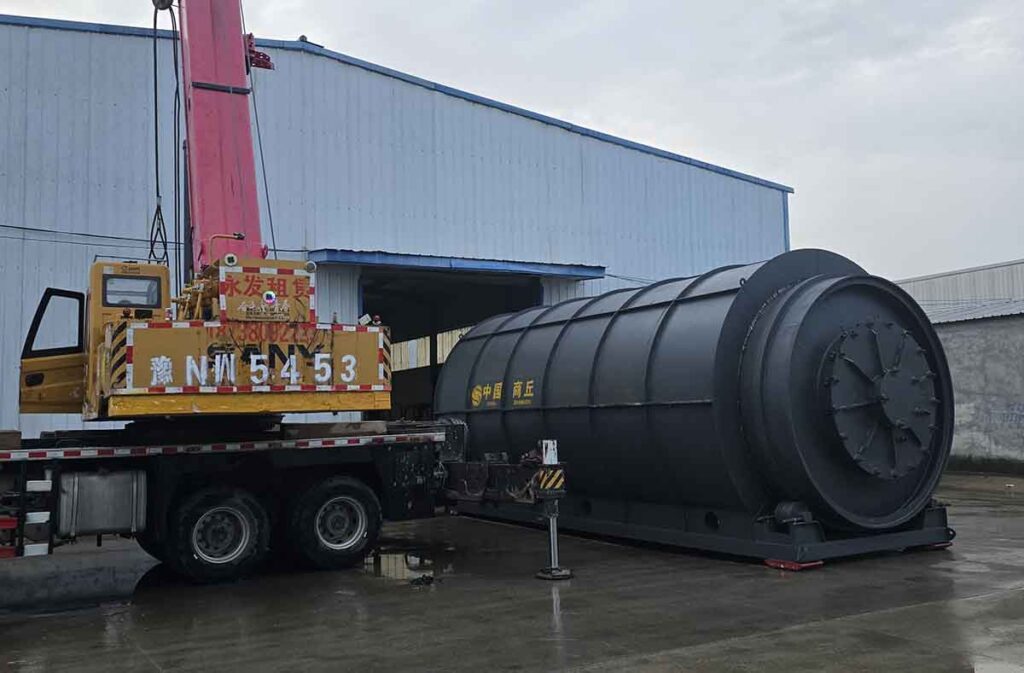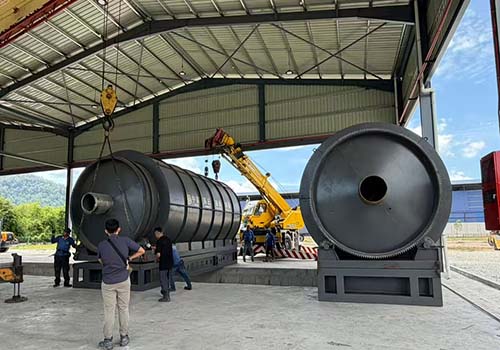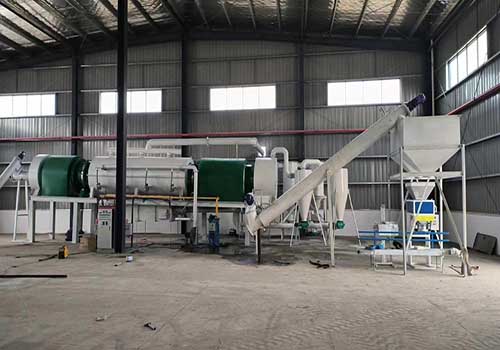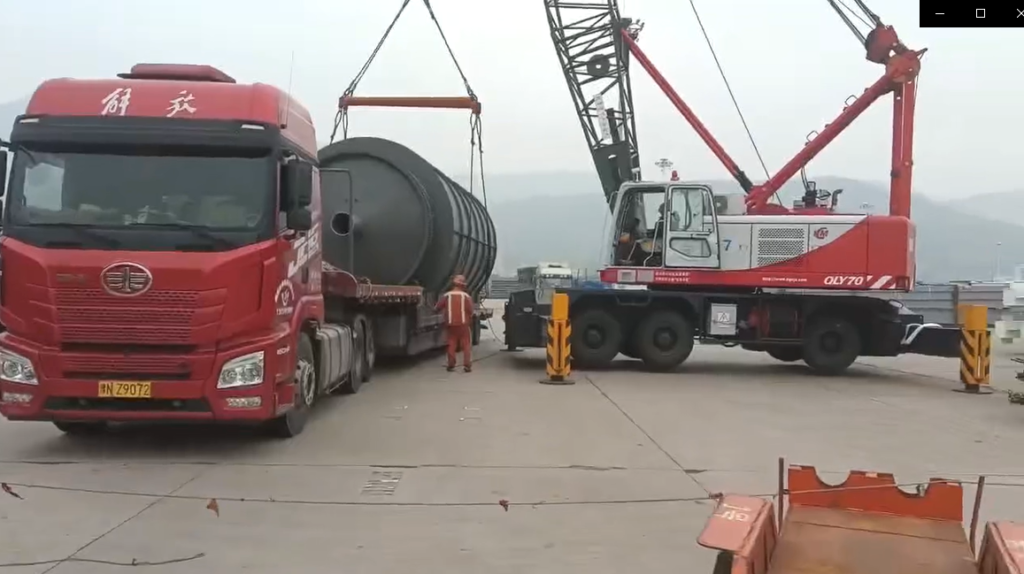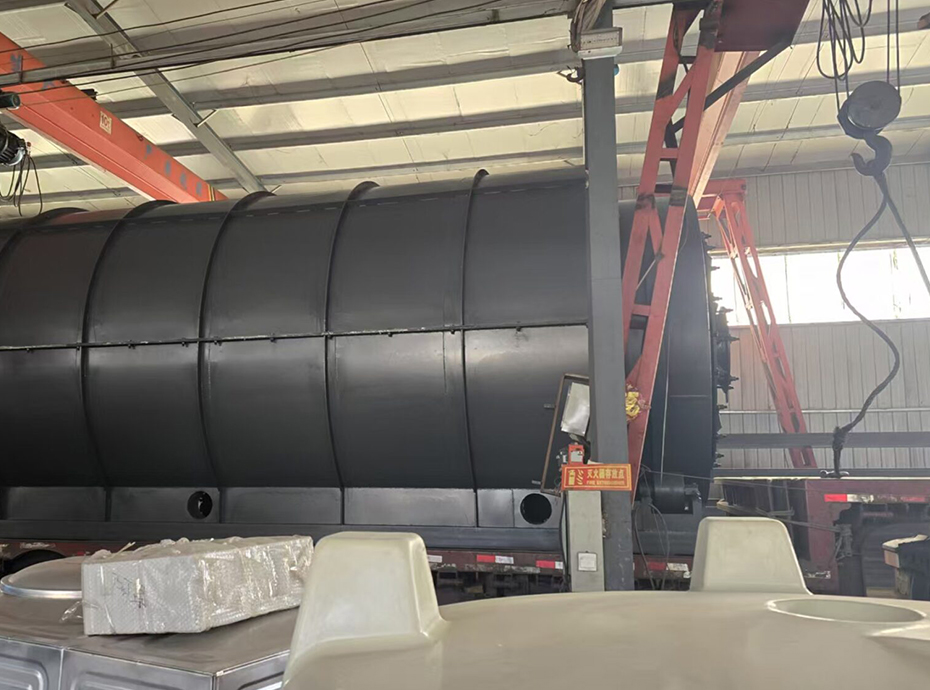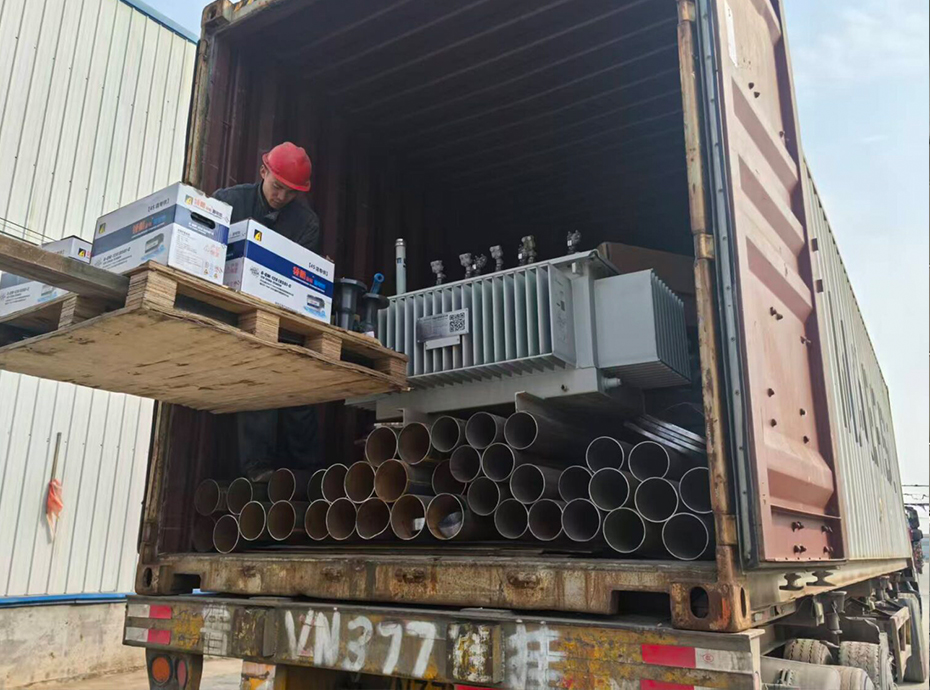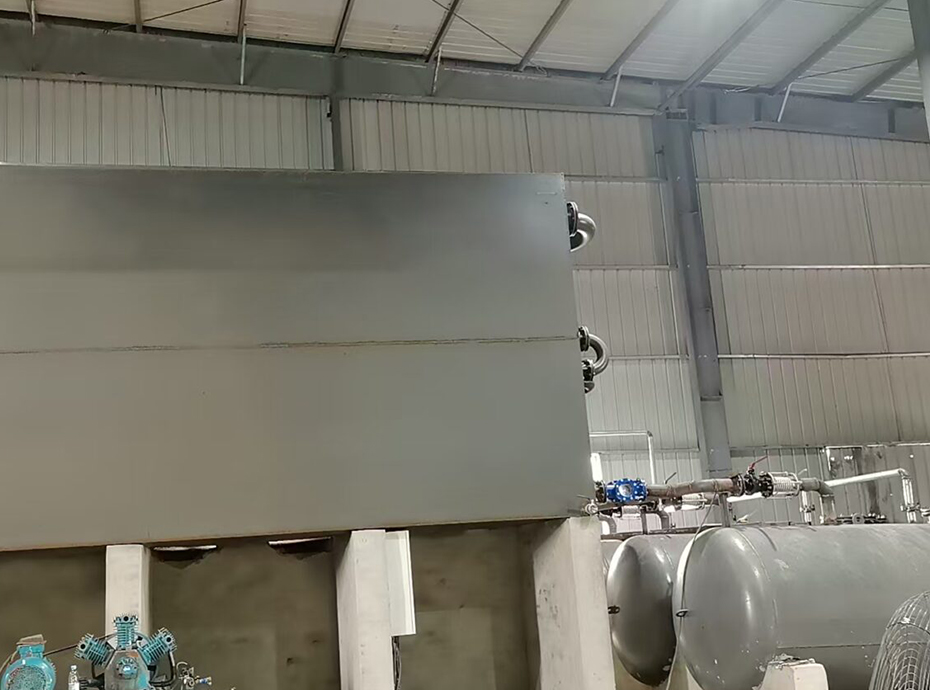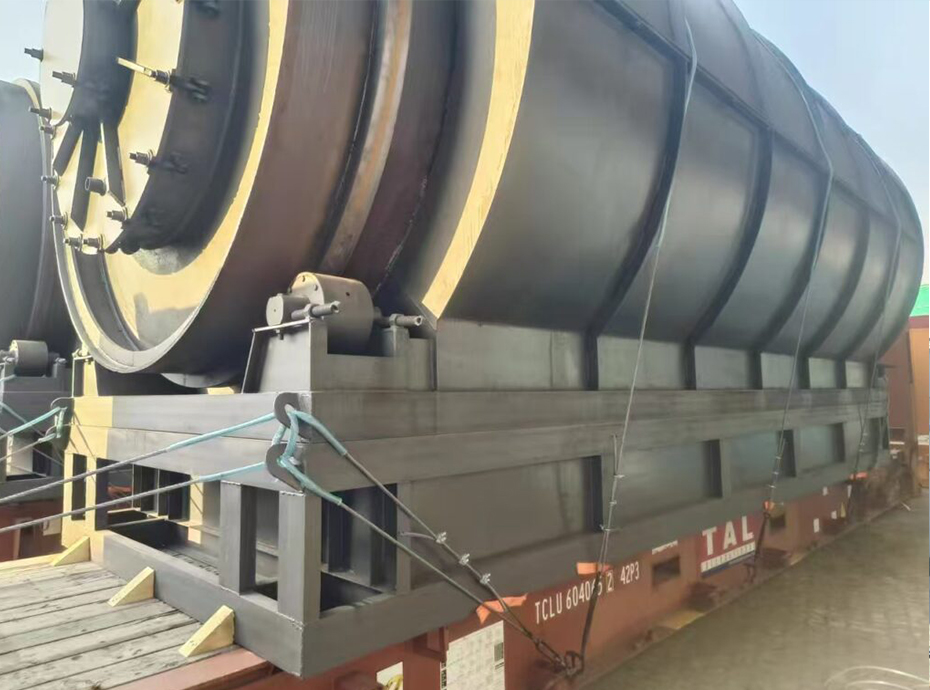

Top Manufacturer of Pyrolysis Machines/Units

Waste Pyrolysis Plant

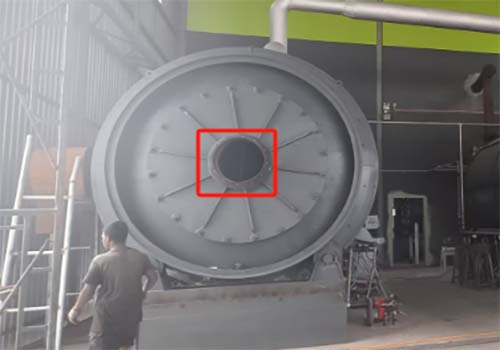
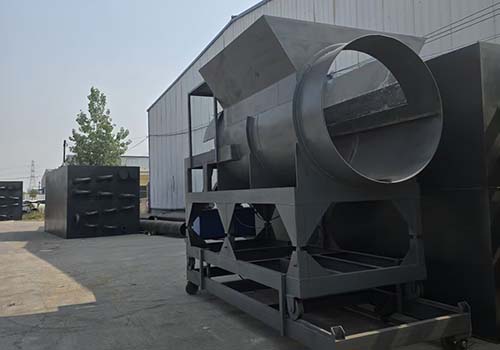
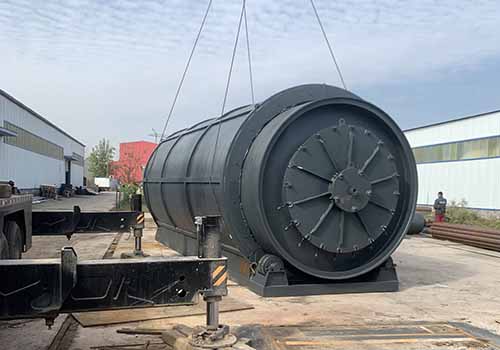
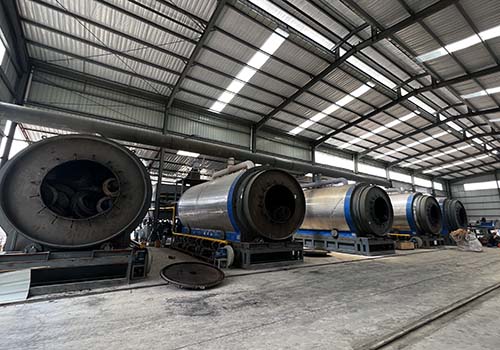
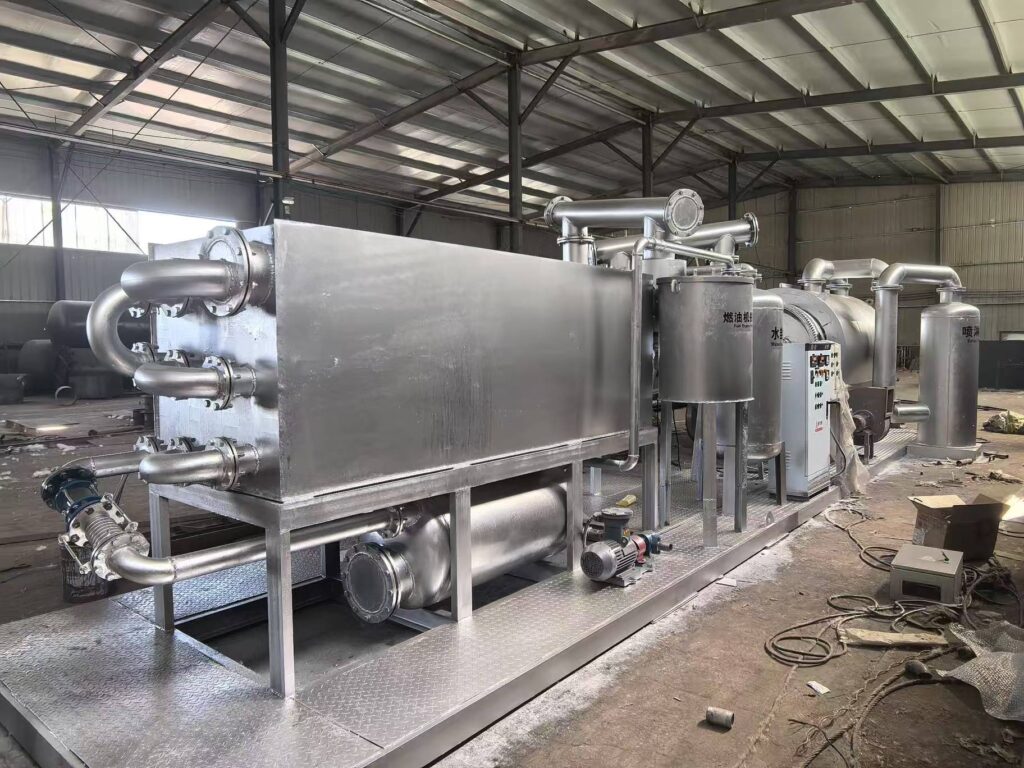
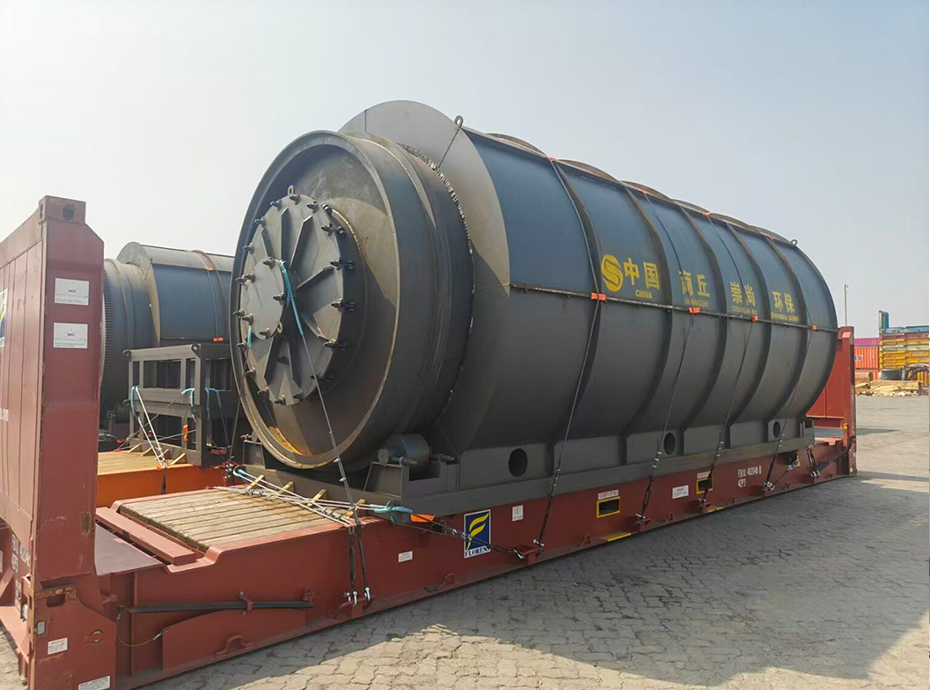
Transform waste into valuable energy with our advanced waste pyrolysis plant. Designed for processing waste tires, plastics, biomass, and other organic waste materials, the system converts discarded materials into fuel oil, combustible gas, Pyrolysis char, and recyclable steel wire through an efficient oxygen-free thermal decomposition process. With stable operation, high automation, and environmentally friendly technology, our industrial pyrolysis solution helps reduce landfill waste while creating sustainable energy and profitable resource recovery opportunities for modern recycling businesses.

What Types of Waste Can a Waste Pyrolysis Plant Process for Profit?

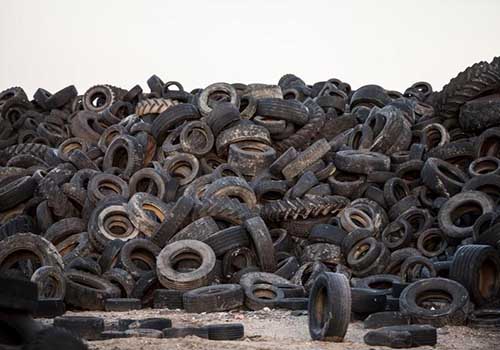
  • Per ton Waste Tires: Produce 35%–45% fuel oil, 30%–35% Pyrolysis char, 10%–15% steel wire, and 5%–10% non-condensable gas.
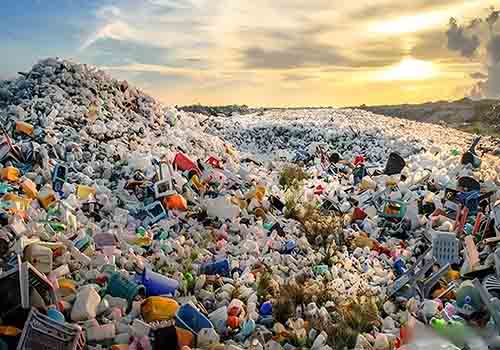
  • Per ton Waste Plastics: Produce 45%–75% fuel oil, 10%–15% Pyrolysis char (depending on the feedstock), and 10%–20% non-condensable gas.
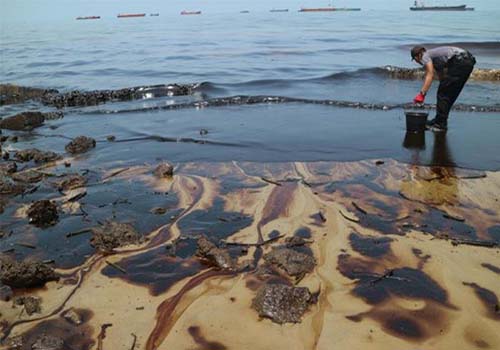
  • Per ton Oil Sludge / Oil Residue: Produce 20%–40% fuel oil, 60%–80% solid residue, and a small amount of non-condensable gas.
  • Per ton Rubber Products: Produce 35%–45% fuel oil, 30%–35% Pyrolysis char, 10%–15% steel wire (depending on the feedstock), and 5%–10% combustible gas.
  • Per ton Agricultural Waste: Produce 25%–35% biochar, 10%–15% wood vinegar, 5%–10% wood tar, and 30%–50% combustible gas.
Waste rubber
Waste plastics
Oil waste
Combustible parts such as plastics paper textiles etc
Biomass waste

Fuel Oil: 35%–45%

Carbon Black: 30%–35%

Steel Wire: 10%–15%

Non-condensable Gas: 5%–10%

Fuel Oil: 45%–75%

Carbon Black (if applicable): 10%–15%

Non-condensable Gas: 10%–20%

Fuel Oil: 20%–40%

Solid Residue (slag): 60%–80%

Non-condensable Gas: Trace

Fuel Oil: 35%–45%

Carbon Black: 30%–35%

Steel Wire (if applicable): 10%–15%

Gas: 5%–10%

Biochar: 25%–35%

Wood Vinegar: 10%–15%

Wood Tar: 5%–10%

Combustible Gas: 30%–50%

Calculation of Return on Investment for Waste Tire Pyrolysis

The products obtained from tire pyrolysis consist of steel wire, pyrolysis oil, Pyrolysis char, and pyrolysis gas. For a daily processing capacity of 15 tons or less, the operation typically requires only 2 to 3 personnel; the equipment’s power consumption ranges from 5 to 15 kW (with the pyrolysis gas being utilized for the equipment’s internal heating cycle).


Calculation of Return on Investment for Waste Plastic Pyrolysis

The products obtained from the pyrolysis of plastics include wax, pyrolysis oil, Pyrolysis char, and pyrolysis gas. For a daily processing capacity of 15 tons or less, the equipment typically requires only 2 to 3 operators; the power consumption ranges from 5 to 15 kW (with the pyrolysis gas being utilized for the equipment’s internal heating cycle).


Applications for Pyrolysis End Products

Pyrolysis End ProductSource MaterialTypical Sulfur ContentMain Applications
Plastic Pyrolysis OilPE / PP / PS Plastics500–1000 ppmIndustrial burners, boilers, brick kilns, heating systems, fuel blending after distillation
Tire Pyrolysis OilWaste Tires / Rubber1000–5000 ppmCement kilns, steel plants, industrial furnaces, heavy industrial fuel applications
Oil Sludge Pyrolysis OilOil Sludge / Oil ResidueAround 400 ppmIndustrial fuel oil, furnace fuel, feedstock for distillation and upgrading
Pyrolysis charTires / Plastics / RubberFuel briquettes, cement plants, brick factories, industrial carbon material
BiocharBiomass / Agricultural WasteSoil improvement, carbon sequestration, biomass fuel applications
Steel WireWaste Tires / Rubber ProductsScrap steel recycling, steel manufacturing industries
Non-Condensable GasAll Pyrolysis FeedstocksReused as heating fuel for the reactor, reducing external fuel consumption
WaxPlastic PyrolysisDepends on feedstockIndustrial fuel blending, wax processing, chemical raw materials, heating fuel

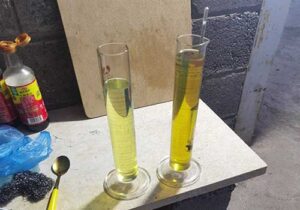
Pyrolysis upgraded oil

About PyrolysisUnit Deep Technical Experience in Pyrolysis Systems

Temperature Control Logic

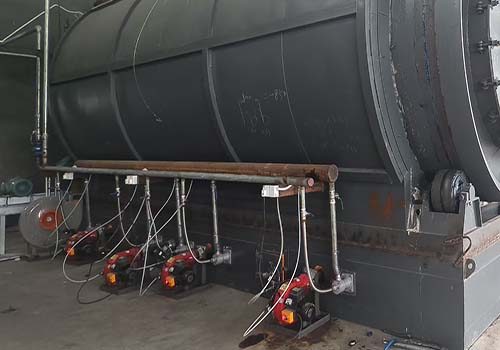
Whether the system is heated by natural gas, biomass, or fuel oil, the machine is equipped with control switches and temperature gauges to regulate the heating intensity. Operators can adjust the firepower through the control system, but the most critical factor is still the experience of the furnace operator. Proper temperature control directly affects the final product quality and oil yield stability.

The operator mainly evaluates the process based on three key factors:

  1. Reactor pressure conditions
  2. Oil gas generation status
  3. Final product oil quality

Safety Protection System

The system is equipped with:

  • Overpressure alarm
  • Overtemperature alarm
  • Alarm silencing function
  • Automatic pressure relief valve

These protection measures help improve operational safety and reduce the risk of abnormal pressure or temperature conditions during continuous operation.

Anti-Coking Technology

Different feedstocks require different anti-coking solutions.

For waste tire pyrolysis, coke buildup is usually minimized because the steel wires remaining inside the reactor continuously scrape off deposits during rotation.

Plastic pyrolysis generally produces very little coking.

The main coking materials are oil sludge and waste engine oil. To solve this issue, we provide three solutions:

  1. Install internal scraping blades inside the reactor
  2. Add approximately 50 kg of waste tires during oil sludge pyrolysis so the steel wires can help remove coke deposits (recommended solution)
  3. Upgrade the reactor material to 304 stainless steel, which offers better anti-sticking performance, allows higher operating temperatures, and provides a longer service life

Flue Gas Treatment System

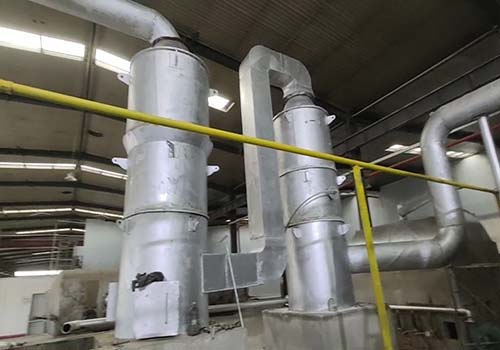
The flue gas treatment system includes:

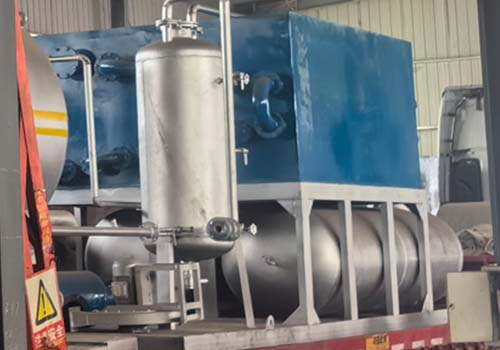
  • Multi-stage condensation system
  • Spray tower (dust and acidic gas removal)
  • Water circulation cooling system
  • Induced draft fan for controlled airflow

The condenser recovers most oil vapor and reduces hydrocarbon emissions before gas discharge.

The spray tower is designed to reduce:

  • Dust particles
  • Acidic gases
  • Sulfur-related emissions

This treatment process helps improve environmental performance and supports compliance with industrial emission requirements for:

  • NOx < 100 mg/m³
  • SOx < 50 mg/m³
  • Particles < 10 mg/m³

Energy Efficiency

After startup, the system recycles non-condensable pyrolysis gas back into the heating furnace as fuel, significantly reducing external fuel consumption and improving overall thermal efficiency.

Core Components of Waste Pyrolysis Plant

Why Use a Waste Pyrolysis Plant?

Adopting a waste pyrolysis plant delivers tangible commercial value and operational advantages, making it a pragmatic investment for waste handlers and energy-focused enterprises—aligned with industrial business objectives and market realities:
 
  • Turn waste into saleable fuel: Convert low-value organic waste (plastic, tires, oil sludge) into marketable products (pyrolysis oil, Pyrolysis char). These fuels are in steady demand for industrial boilers, generators, and diesel blending, creating a direct new revenue stream from waste that would otherwise be discarded.
  • Reduce landfill cost: Landfill disposal involves high long-term expenses (transportation, tipping fees, site maintenance). Waste pyrolysis achieves 80–95% volume reduction, drastically cutting the amount of waste sent to landfills and lowering associated operational costs.
  • Local energy production: On-site conversion of waste to fuel eliminates reliance on external energy supply chains. This localized energy production enhances operational stability and insulates businesses from volatile fossil fuel prices and transportation disruptions.
  • Suitable for developing markets: Engineered for robust performance with simplified operations and low infrastructure dependencies. The plant adapts to variable waste quality and limited on-site resources, matching the cost constraints and operational conditions of developing markets.
  • Fast ROI from plastic waste: Plastic waste conversion delivers high yield (up to 80% fuel output) and strong market demand for pyrolysis oil. The predictable revenue from fuel sales, combined with reduced waste disposal costs, enables rapid return on investment for plastic waste-focused operations.

What Wastes Are NOT Suitable?

Selecting appropriate feedstock is critical for the safety, efficiency, and compliance of waste pyrolysis operations. The following wastes are unsuitable due to their inherent properties, as they can hinder performance, damage equipment, or create environmental/operational hazards:
 
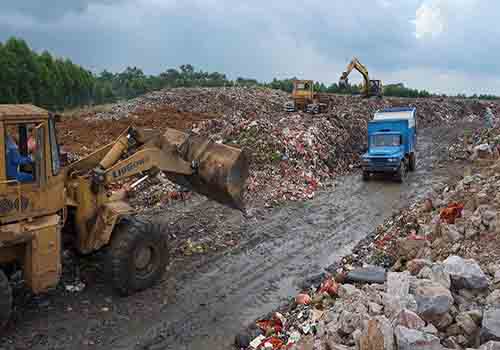
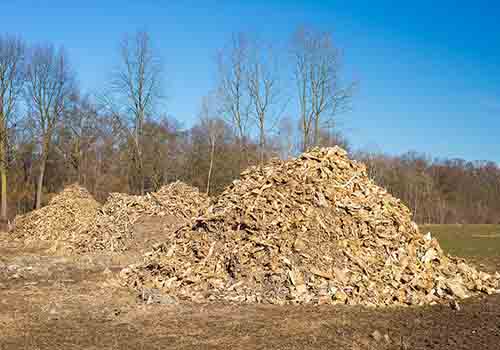
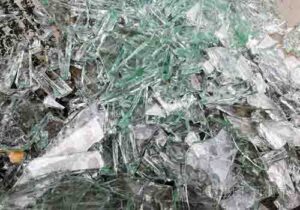
  • Glass, sand, stones: These are inorganic materials that do not decompose under pyrolysis temperatures (450–650℃). They yield no energy products and will cause mechanical wear to the reactor, conveying systems, or shredders—shortening equipment lifespan and increasing maintenance costs.
  • High heavy-metal waste: Heavy metals in such wastes (e.g., contaminated industrial sludge) are released during pyrolysis, either in flue gas or solid residues. This generates toxic pollutants, risks emission non-compliance, and requires costly treatment for toxic residues, eroding operational profitability.
  • Wet food waste: Typically containing over 60% moisture, wet food waste demands excessive energy for pre-drying, drastically reducing overall efficiency and oil yield. It also tends to ferment in the reactor, disrupting process stability and potentially causing odor or corrosion issues.
  • Chemically coated plastics: Plastics with flame retardants, paint, or chemical coatings decompose into toxic byproducts (e.g., dioxins, harmful VOCs) during thermal processing. These pollutants endanger worker health, contaminate end products (e.g., pyrolysis oil), and violate global environmental standards.
Waste glass

Plant Models & Capacity

biomass

Oil Sludge Pyrolysis Plant

With a daily processing capacity of 1 to 20 tons, the Oil Sludge Pyrolysis Plant is specifically designed for scenarios including oilfield sludge treatment, refineries, oilfields, and industrial waste treatment projects. Its core function is to convert hazardous oil sludge into fuel oil, achieving an oil recovery rate of 30–50% while fully complying with environmental regulations. The plant generates three high-value usable products:

Parameter
Waste Aluminum Plastic Pyrolysis Plant-1

MSW Pyrolysis Plant

MSW Pyrolysis Plant is an industrial-grade pyrolysis system specially designed for Municipal Solid Waste (MSW), such as kitchen waste, paper, plastics, textiles, and other household refuse. Through oxygen-free / low-oxygen high-temperature pyrolysis technology, it converts mixed municipal waste into energy and recyclable materials. Its core purpose is to provide a resource-recovery and harmless-treatment solution for urban solid waste.

Parameter
Intermittent pyrolysis feeding system

Medical Waste Pyrolysis Plant

Medical Waste Pyrolysis Plant is an alternative medical waste treatment system designed for hospitals, waste management companies, and environmental authorities seeking a safer option than incineration.It is suitable for on-site or centralized treatment of medical waste such as gloves, masks, tubing, and protective clothing, with daily capacities ranging from 1 to 30 tons.

Parameter
pyrolysis machine

Tyre Pyrolysis Plant

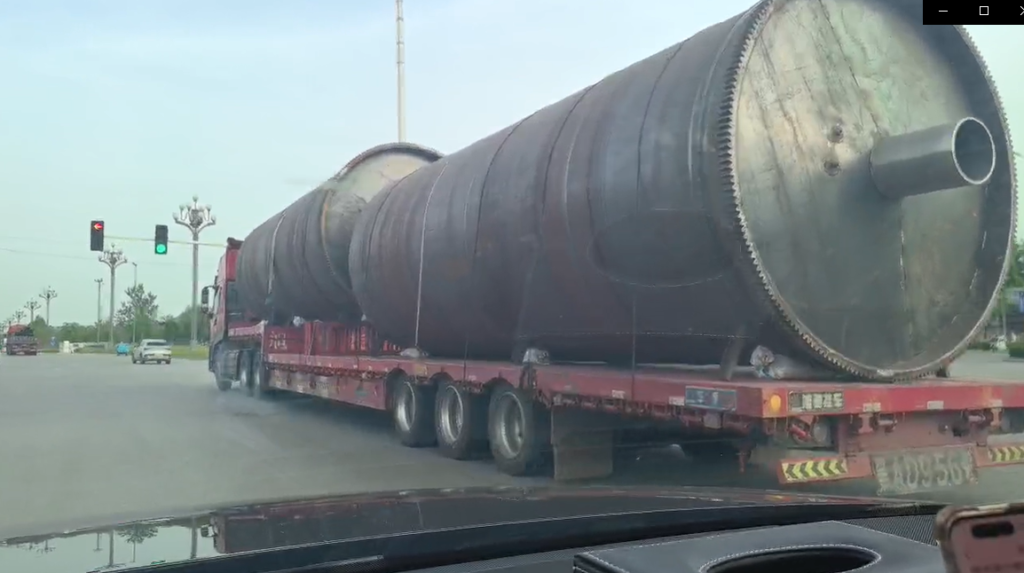
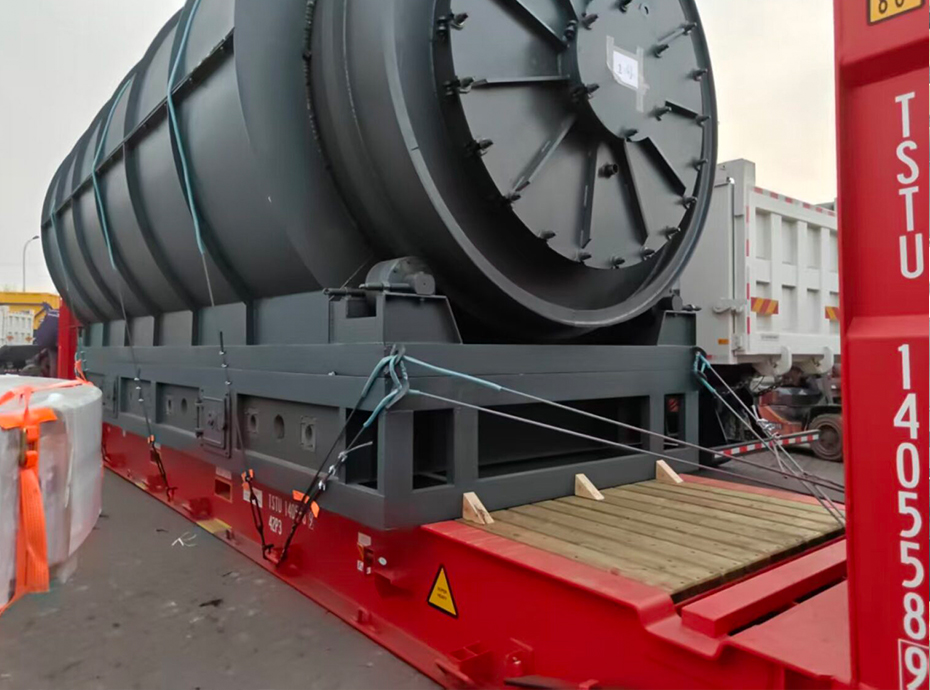
A tire pyrolysis plant is a professional environmental protection and resource recycling equipment that converts waste tires into high-value renewable resources through oxygen-limited high-temperature pyrolysis. 

Parameter
big pyrolysis plant

Plastic Pyrolysis Plant

In the face of mounting global plastic waste and the urgent need for sustainable solutions, plastic pyrolysis has emerged as a cutting-edge technology to convert end-of-life plastics into valuable energy resources. PyrolysisUnit’s advanced systems are designed to process 1–35 tons of waste plastics per day, delivering a high oil yield of 30%–70%, depending on the plastic type and process parameters.

Parameter
coconut shell charcoal making machine-1

Biomass Pyrolysis Plant

Biomass Pyrolysis Plant is an advanced pyrolysis equipment designed to convert agricultural and forestry waste—such as peanut shells, sawdust, corn stalks, rice husks, bamboo shavings, sunflower seed shells, coconut shells, coffee grounds, cotton stalks, and even tree leaves—into high-quality, eco-friendly charcoal or charcoal powder.

Parameter

PyrolysisUnit Global Case Studies

Equipment work Video

    About Waste Pyrolysis Plant FAQ>>

    Waste pyrolysis is a thermochemical process that converts various types of waste—such as plastics, tires, oil sludge, and biomass—into valuable products like pyrolysis oil, combustible gas, carbon black, and recoverable metals.

    The process occurs in an oxygen-free environment at high temperatures, which breaks down long-chain hydrocarbons in the waste into smaller molecules. Unlike traditional incineration or landfilling, pyrolysis minimizes harmful emissions, reduces environmental impact, and supports resource recovery and circular economy practices.

    In short, waste pyrolysis transforms problematic waste into renewable energy and raw materials, providing both economic and environmental benefits.

    • Emissions and Air Pollution

      • While pyrolysis is marketed as a cleaner alternative to incineration, incomplete combustion or poor emission controls can release pollutants such as volatile organic compounds (VOCs), particulate matter, or dioxins.

      • Critics worry that some small or poorly managed pyrolysis plants may harm local air quality.

    • Plastic-to-Fuel Debate

      • Pyrolysis of plastics produces fuel oil, which is often burned as an energy source. Some argue this still contributes to carbon emissions, raising questions about its net environmental benefit.

      • Environmentalists prefer reducing plastic production and improving recycling over converting plastic into fuel.

    • Economic Viability

      • High-quality pyrolysis plants require significant capital investment, technical expertise, and proper waste pre-treatment.

      • Low-cost, small-scale “backyard” plants may be unsafe, inefficient, or unprofitable, leading to skepticism about pyrolysis as a widespread solution.

    • Waste Diversion vs. True Recycling

      • Some critics argue that pyrolysis may encourage a “burn-to-use” mindset rather than promoting genuine recycling and circular economy practices.

      • Turning waste into fuel is a form of energy recovery, but it doesn’t always reduce the production of new plastic or rubber.

    Profitability is influenced by local raw material costs, labor expenses, and the market price of refined oil products. Based on our ROI calculation formula—$Profit = (Revenue from Finished Products) - (Raw Material Costs + Operating Costs)$—projects in many regions typically achieve a full return on investment within 1 to 2 years, as the pyrolysis oil produced serves as a viable substitute for industrial diesel.

    ROI Calculation Link:  https://pyrolysisunit.com/pyrolysis-roi-calculator/

    PVC contains chlorine; during pyrolysis, it releases corrosive HCl gas, which not only damages equipment but also generates highly toxic dioxins. PET, conversely, yields a very low quantity of oil (consisting mostly of powdery residue), and its oxygen-containing structure may trigger abnormal system pressure during pyrolysis.

    Batch-type equipment is suitable for small to medium-scale operations (1–10 TPD); it processes one batch per day and requires a cooling period before slag discharge. Continuous-type equipment (such as the PUHB-30 model) supports uninterrupted 24/7 operation, features a higher degree of automation—requiring only two operators—and is ideal for large-scale projects with a daily processing capacity exceeding 20 tons.

    Scroll to Top