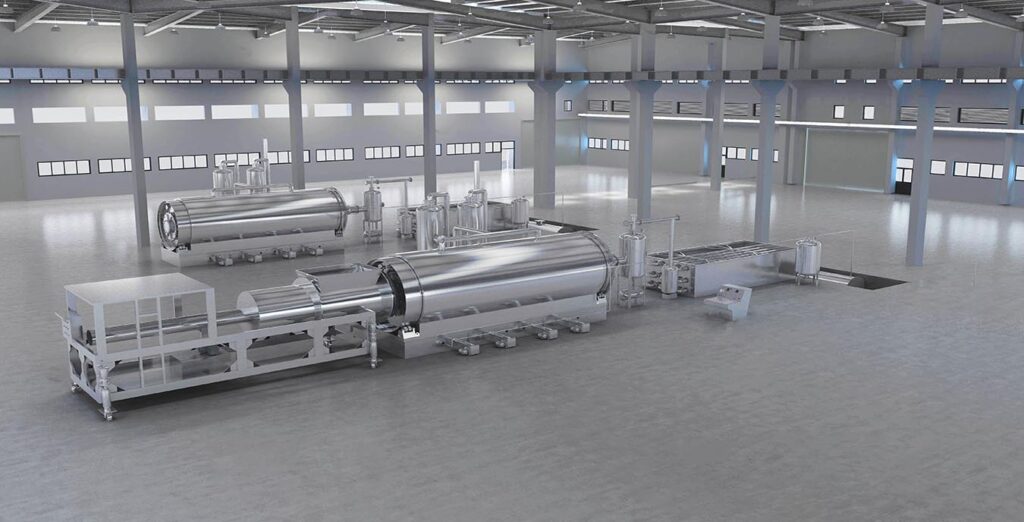
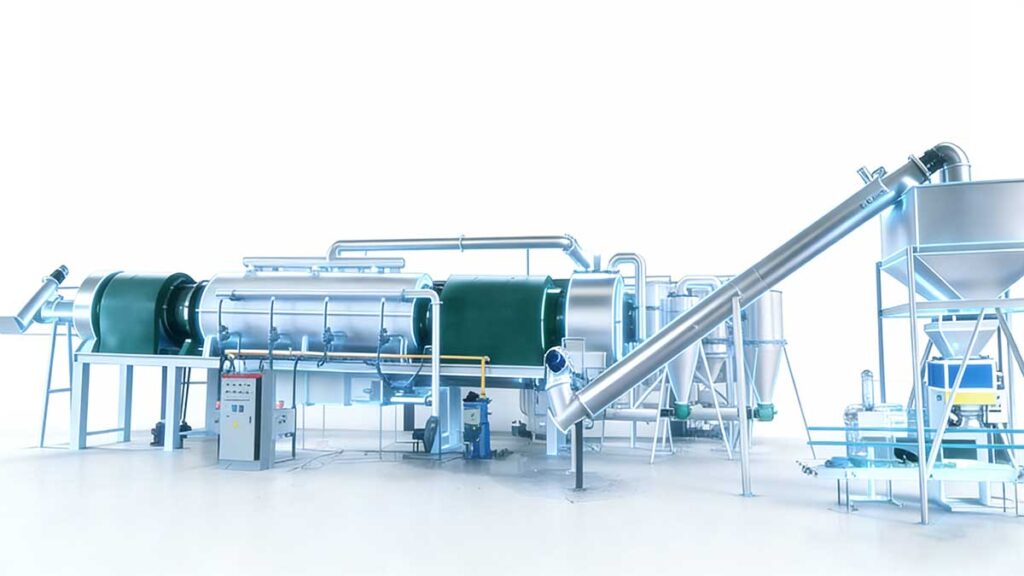
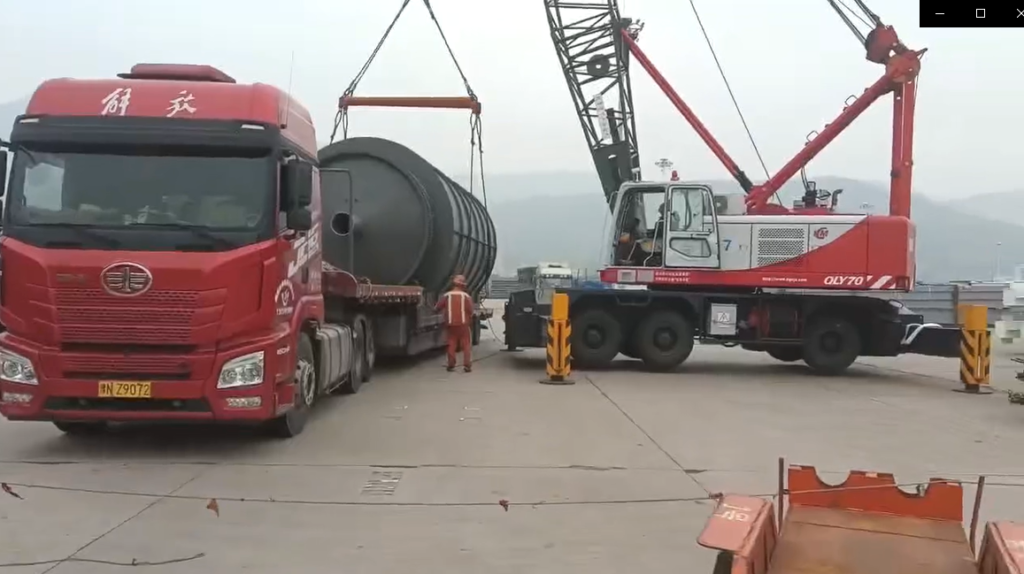
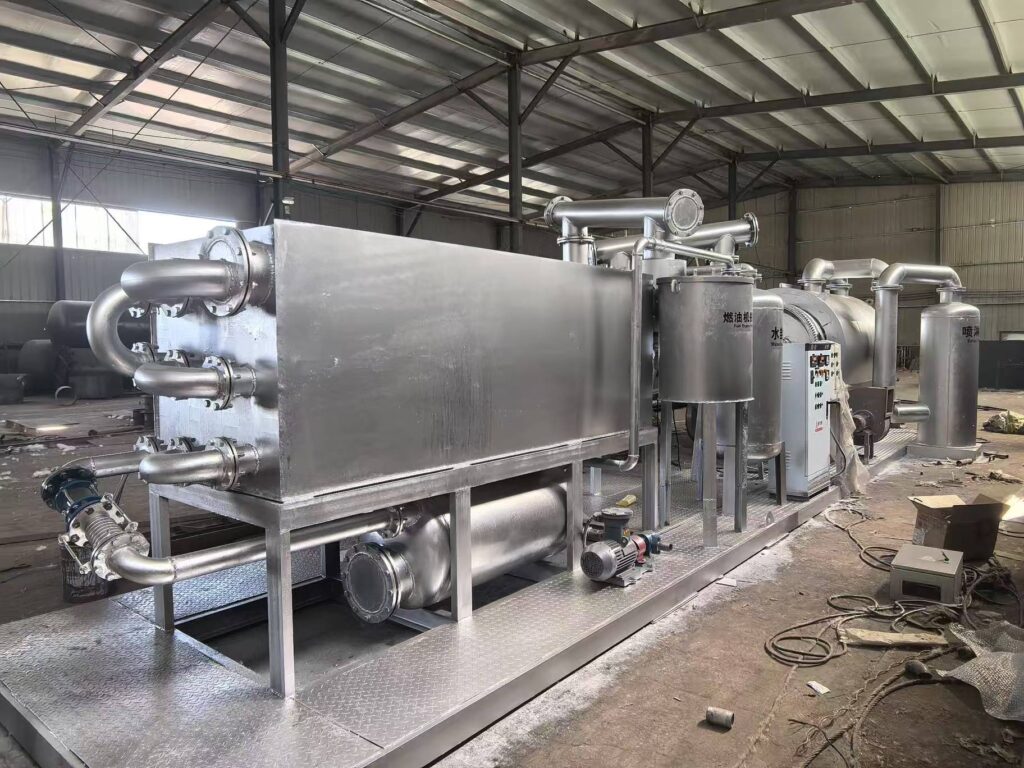
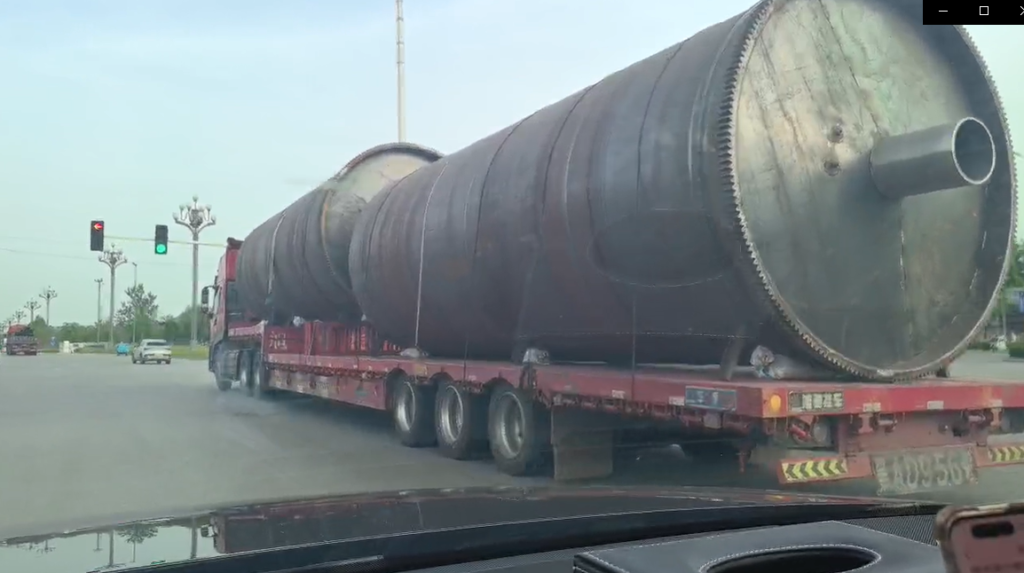
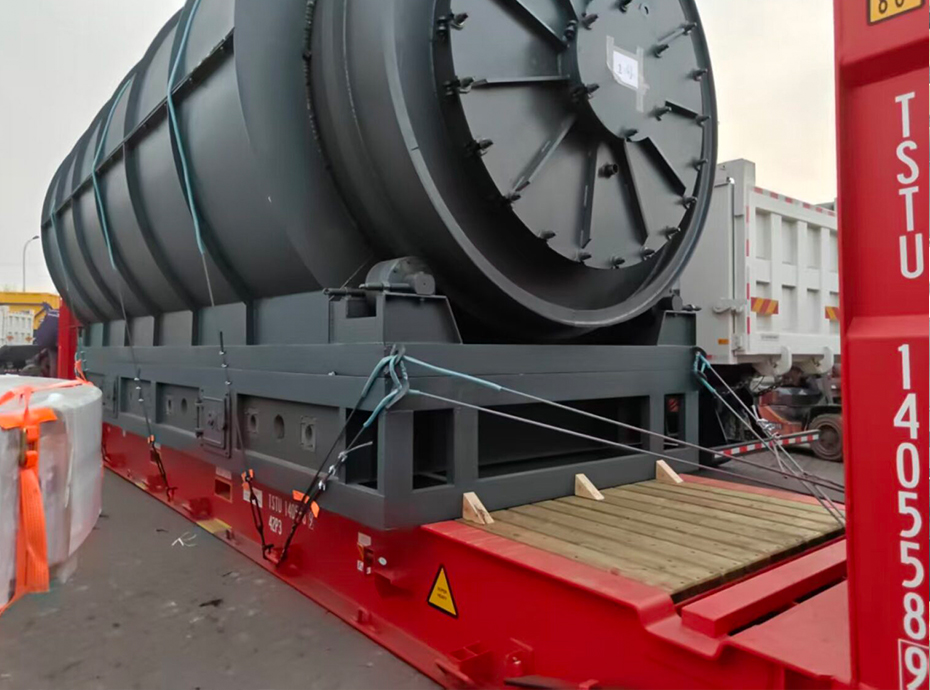
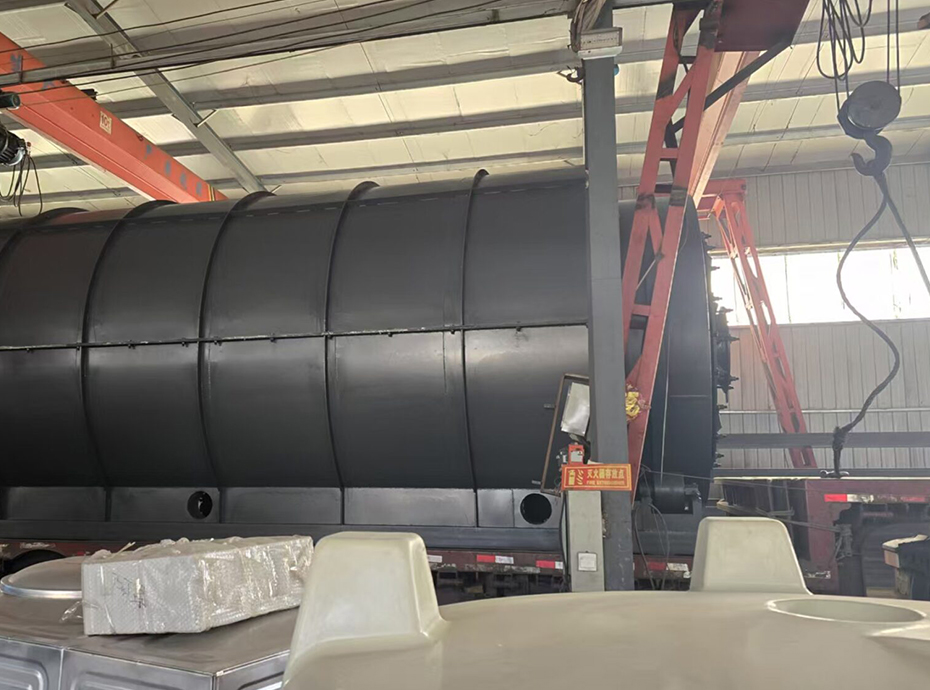
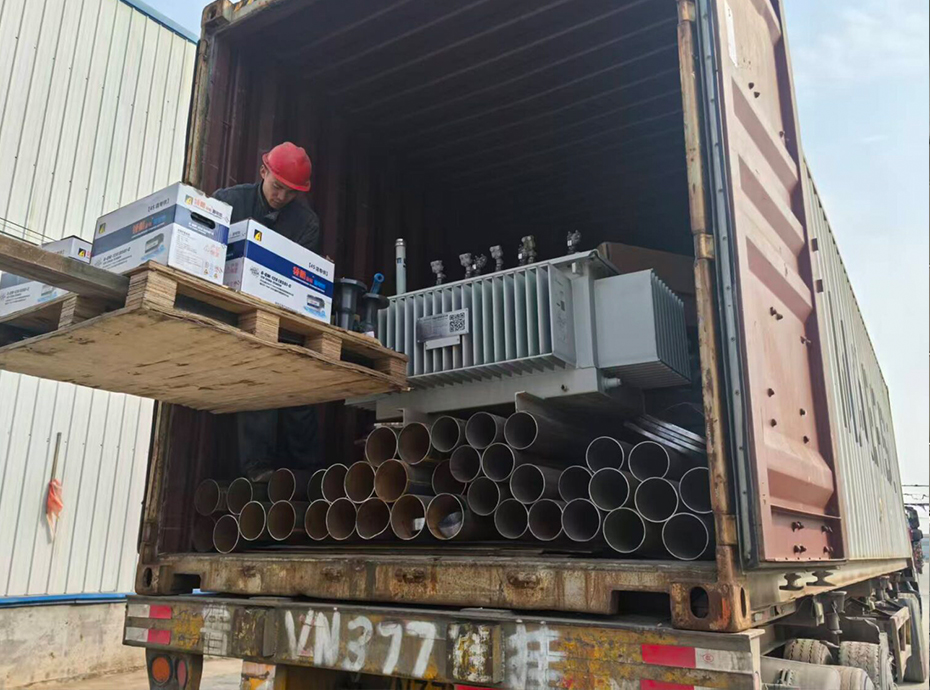
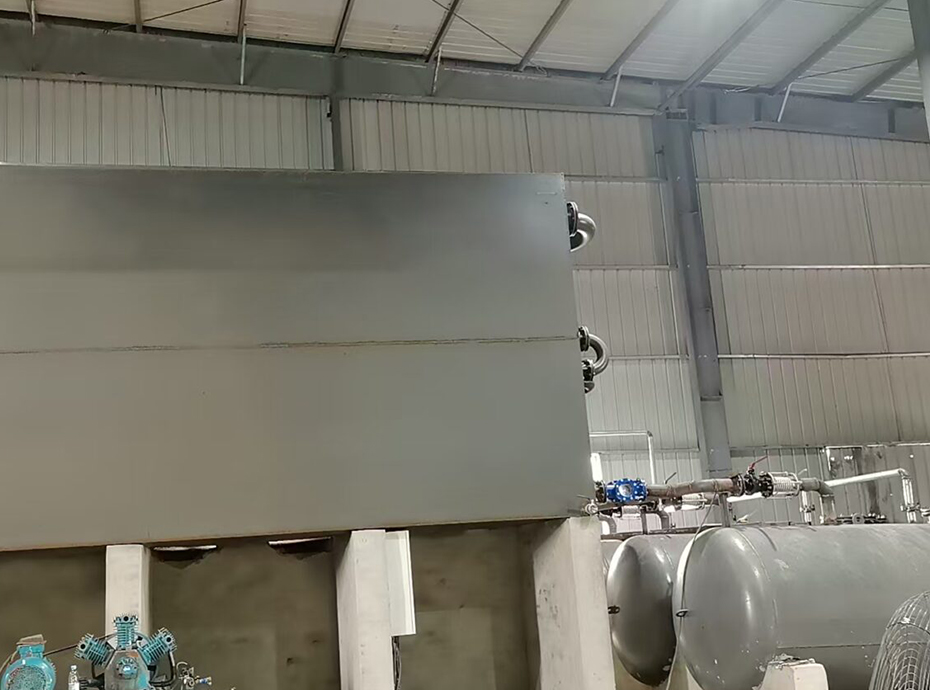
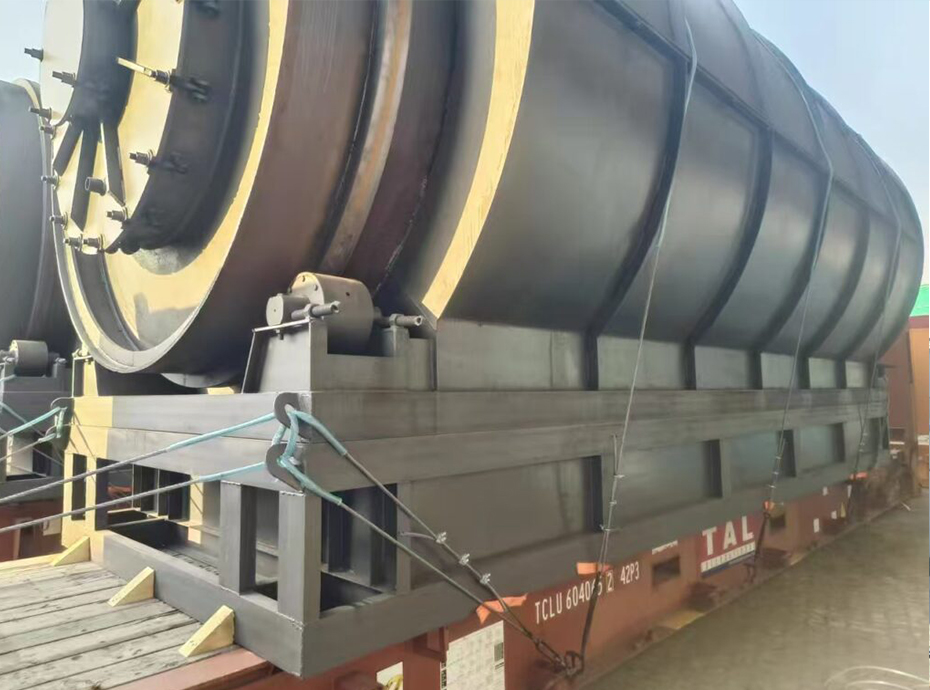
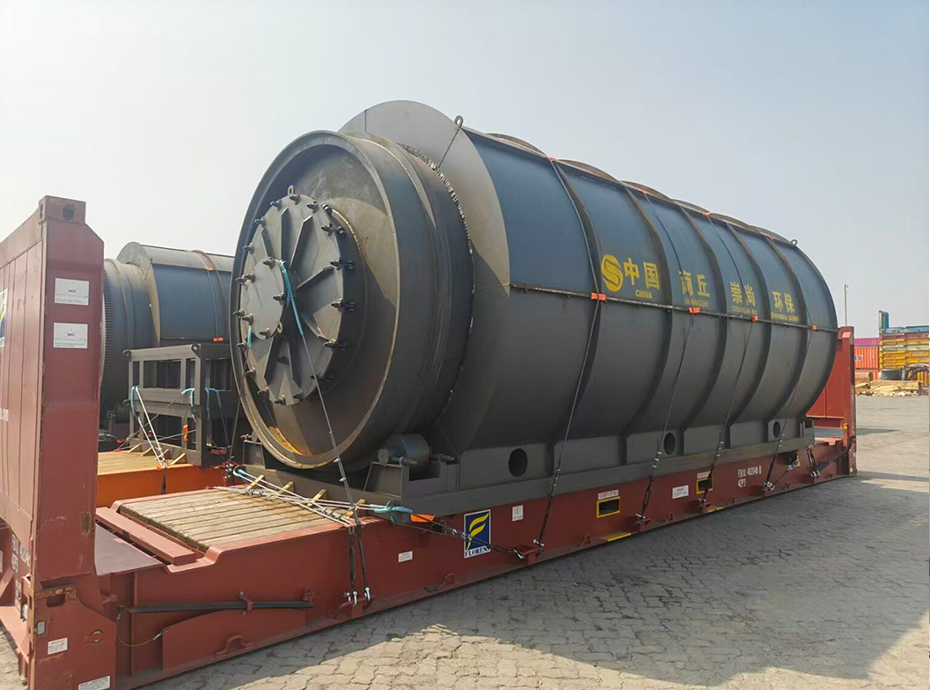
A continuous carbonization furnace for biomass is an industrial-grade core equipment engineered for large-scale, automated biomass-to-char conversion. Its 24/7 non-stop operation, high-quality output, and low operational costs make it a strategic investment for enterprises aiming to scale production, optimize resource utilization, and enhance market competitiveness. Below is a detailed breakdown of its applications, suitable scenarios, and core value for industrial users.
1. Typical Application Scenarios
The continuous carbonization furnace is designed to address large-scale, high-demand production needs, with four core application scenarios that maximize its technical advantages:
① Large-Scale Charcoal Production
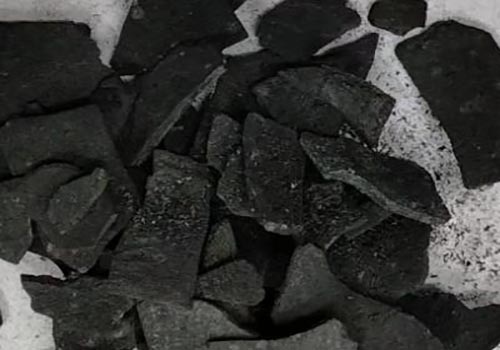
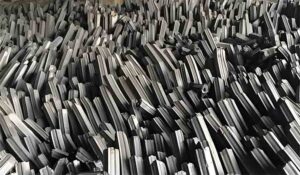
Ideal for professional charcoal manufacturers with stable raw material supply (annual supply ≥10,000 tons) and demand for bulk output. The furnace operates 24/7 without interruptions, eliminating downtime caused by batch feeding/discharging. It delivers consistent charcoal quality (fixed carbon content 70–80%, ash content 1.99–4.63%) across every batch, ensuring compliance with industrial standards and export specifications. Whether supplying domestic markets or fulfilling large overseas orders, this scenario leverages the furnace’s high (5–50+ tons/day) to achieve economies of scale.
② Biomass Waste Recycling
A key solution for enterprises focused on circular economy and waste-to-wealth conversion. It efficiently processes agricultural and industrial biomass wastes—turning low-value materials into high-value biochar while reducing waste disposal costs. This scenario is particularly valuable for regions with abundant biomass resources (e.g., Southeast Asia, Africa, South America), where it not only solves environmental pollution from waste accumulation but also creates new revenue streams through biochar sales and by-product recovery (wood vinegar, tar).
③ Industrial Fuel & Energy Substitution
Serves as a reliable fuel supply system for industrial sectors requiring high-quality, stable carbon fuel. The furnace’s output—with high fixed carbon content and low ash—acts as an eco-friendly alternative to coal, coke, or fossil fuels in industrial boilers, power generation, metallurgy (steel smelting, non-ferrous metal processing), and chemical production. It ensures uninterrupted fuel supply for continuous industrial operations, reducing reliance on volatile fossil fuel prices and lowering carbon emissions.
④ Biochar Production for Environmental Use
Caters to environmental engineering projects and green agriculture initiatives. The high-purity biochar produced is widely used in:
- Soil Improvement: Enhances soil water retention, air permeability, and nutrient retention; neutralizes acidic soil and fixes heavy metals in contaminated land.
- Carbon Sequestration: Contributes to carbon neutrality goals by storing carbon in soil for long periods.
- Wastewater Treatment: Adsorbs organic pollutants, heavy metal ions, and dyes in industrial/domestic wastewater, reducing COD and BOD levels.
This scenario aligns with global environmental policies, making it a preferred choice for eco-focused enterprises and government-led green projects.
2. Supported Raw Materials
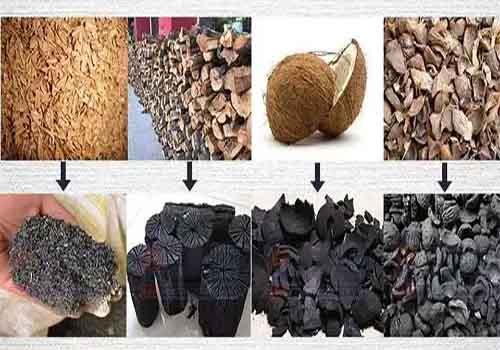
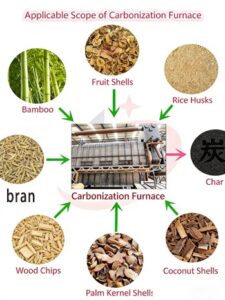
The continuous carbonization furnace for biomass boasts strong raw material adaptability, compatible with various biomass materials as long as the feed rate is stable. Key supported materials include:
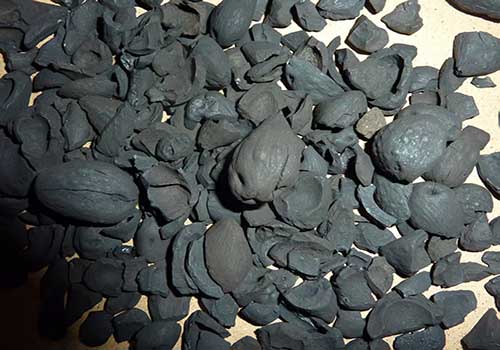
- Coconut shells (crushed or whole, ideal for high-quality BBQ/industrial charcoal)
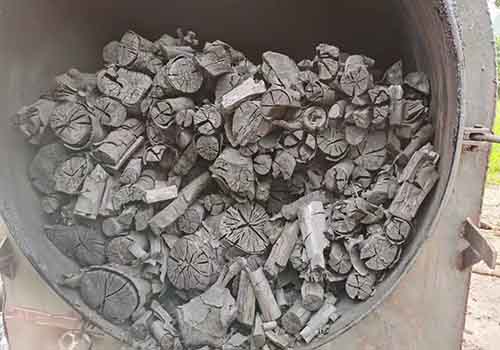
- Wood chips / logs (hardwood, softwood, or mixed wood, processed into 1–5 cm particles)
- Bamboo & bamboo waste (moso bamboo, bamboo chips, bamboo residues—cost-effective and high-carbon raw materials)
- Crop residues (rice husk, corn cob, wheat straw, sugarcane bagasse—abundant agricultural wastes)
- Other organic waste with stable feed rate (e.g., palm kernel shells, peanut shells, sawdust from wood processing plants)
No major modifications are required to switch between compatible materials—only minor adjustments to temperature and residence time (guided by the manufacturer’s technical team)—ensuring flexibility while maintaining production efficiency.
3. Suitable Industries
The furnace’s industrial-grade design and performance make it a perfect fit for six key industries:
① Charcoal & Biochar Manufacturers
Professional enterprises engaged in bulk charcoal/biochar production, including those targeting domestic distribution, industrial supply, or export markets. The furnace’s high output and consistent quality help them capture large orders and build long-term customer trust.
② Agricultural Processing Plants
Enterprises processing crops (rice, corn, sugarcane, etc.) that generate massive amounts of agricultural residues. The furnace enables on-site waste recycling, reducing transportation costs for raw materials and creating additional revenue from biochar sales.
③ Biomass Energy & Renewable Energy Companies
Organizations focused on renewable energy production, including biomass power plants, biofuel manufacturers, and green energy project developers. The furnace’s energy-efficient design (waste heat recovery) and low-emission operation align with renewable energy industry standards.
④ Environmental Engineering & Waste Treatment Companies
Companies specializing in waste disposal, soil remediation, and wastewater treatment. The furnace’s biochar output serves as a core material for their environmental projects, while its waste-recycling capability expands their service offerings.
⑤ Large Plantations & Agro-Industrial Groups
Large-scale agricultural or forestry enterprises (e.g., coconut plantations, bamboo forests, timber plantations) with self-generated biomass waste. The furnace allows them to monetize on-site waste, reduce operational costs, and support sustainable farming/forestry practices.
⑥ Metallurgical & Chemical Industries
Industrial enterprises requiring stable carbon additives or fuel (e.g., steel mills, non-ferrous metal smelters, chemical factories). The furnace’s high-purity charcoal meets strict industrial specifications, improving production efficiency and product quality.
4. Who Should Choose a Continuous Carbonization Furnace
The furnace is specifically tailored for medium-to-large industrial users that meet the following criteria:
- Stable Raw Material Supply: Ability to provide continuous, consistent feedstock (daily supply ≥5 tons) without frequent interruptions—critical for maintaining non-stop production.
- Pursuit of High Capacity & Automation: Need for large-scale output (annual production ≥1,500 tons) and desire to reduce labor dependency. The furnace’s fully automated control system (PLC) requires only 2–3 operators per production line, cutting labor costs by 60–70% compared to semi-automatic equipment.
- High Requirements for Charcoal Quality Consistency: Demands for stable fixed carbon content, low ash, and uniform product performance—essential for industrial applications, export markets, or long-term customer partnerships.
- Medium-to-Large Industrial Projects: Enterprises with sufficient investment capacity (for industrial-grade equipment) and long-term production plans (≥3 years). The furnace’s long service life (8–10 years) and scalable design (modular expansion) support business growth.
5. Not Recommended Scenarios
To ensure optimal return on investment, the continuous carbonization furnace is not suitable for the following scenarios (transparency enhances professional credibility):
- Unstable or Intermittent Raw Material Supply: If raw material supply is sporadic (e.g., seasonal collection with long gaps), the furnace’s continuous operation advantage cannot be realized, leading to idle capacity and wasted costs.
- Small-Scale Testing or Pilot Production: For enterprises conducting initial product testing, small-batch sampling, or pilot projects (daily output batch-type carbonization furnaces are more cost-effective and flexible.
- Frequent Raw Material Type Changes: If you need to switch between drastically different raw materials (e.g., from rice husk to large wood logs) frequently, the furnace’s calibration and adjustment process will disrupt continuous production, reducing efficiency.
6. Value for Industrial Users
Investing in a continuous carbonization furnace delivers tangible, long-term value for industrial users, addressing core pain points of large-scale production:
① Reduce Unit Production Costs
24/7 continuous operation maximizes equipment utilization, reducing fixed costs (depreciation, energy, labor) per ton of charcoal. Waste heat recovery and by-product recycling further lower operational costs—energy costs are reduced by 25–35%, and additional revenue from wood vinegar/tar adds 10–15% to total income.
② Minimize Labor Dependency & Operational Risks
Fully automated feeding, carbonization, and discharging eliminate the need for manual heavy labor. The PLC intelligent control system maintains precise temperature (±5℃) and process stability, reducing human error and ensuring consistent quality. This not only cuts labor costs but also lowers safety risks associated with manual operation.
③ Ensure Consistent Quality for Scalable Sales
Stable process parameters guarantee uniform charcoal quality (fixed carbon 70–80%, ash 1.99–4.63%) across all batches. This consistency is critical for entering industrial supply chains or export markets, where strict quality standards and large-order fulfillment are required. It helps enterprises build a reputable brand and secure long-term partnerships.
④ Enhance ROI & Business Scalability
The furnace’s modular design allows for easy capacity expansion (e.g., adding parallel production lines) as your business grows. With a typical payback period of 12–24 months (depending on capacity and raw material costs), it delivers a reliable return on investment. Its compliance with international environmental standards (CE, EPA, ISO 14001) also avoids regulatory risks, ensuring sustainable operation in global markets.
⑤ Support Sustainable Development & Policy Compliance
By converting biomass waste into valuable products, the furnace aligns with global circular economy and carbon neutrality goals. It helps enterprises qualify for green industry subsidies, tax incentives, and environmental certifications—enhancing social responsibility image while reducing regulatory compliance costs.
Conclusion
A continuous carbonization furnace for biomass is not just a production tool—it’s a strategic asset for medium-to-large industrial enterprises seeking to scale efficiently, optimize resources, and thrive in a competitive market. Its targeted applications, strong raw material adaptability, and clear user value make it the preferred choice for charcoal manufacturers, biomass recyclers, industrial fuel users, and environmental engineering projects. By choosing the right model aligned with your raw material supply, production scale, and business goals, you can unlock long-term profitability and sustainable growth.